
Last updated October 15, 2026
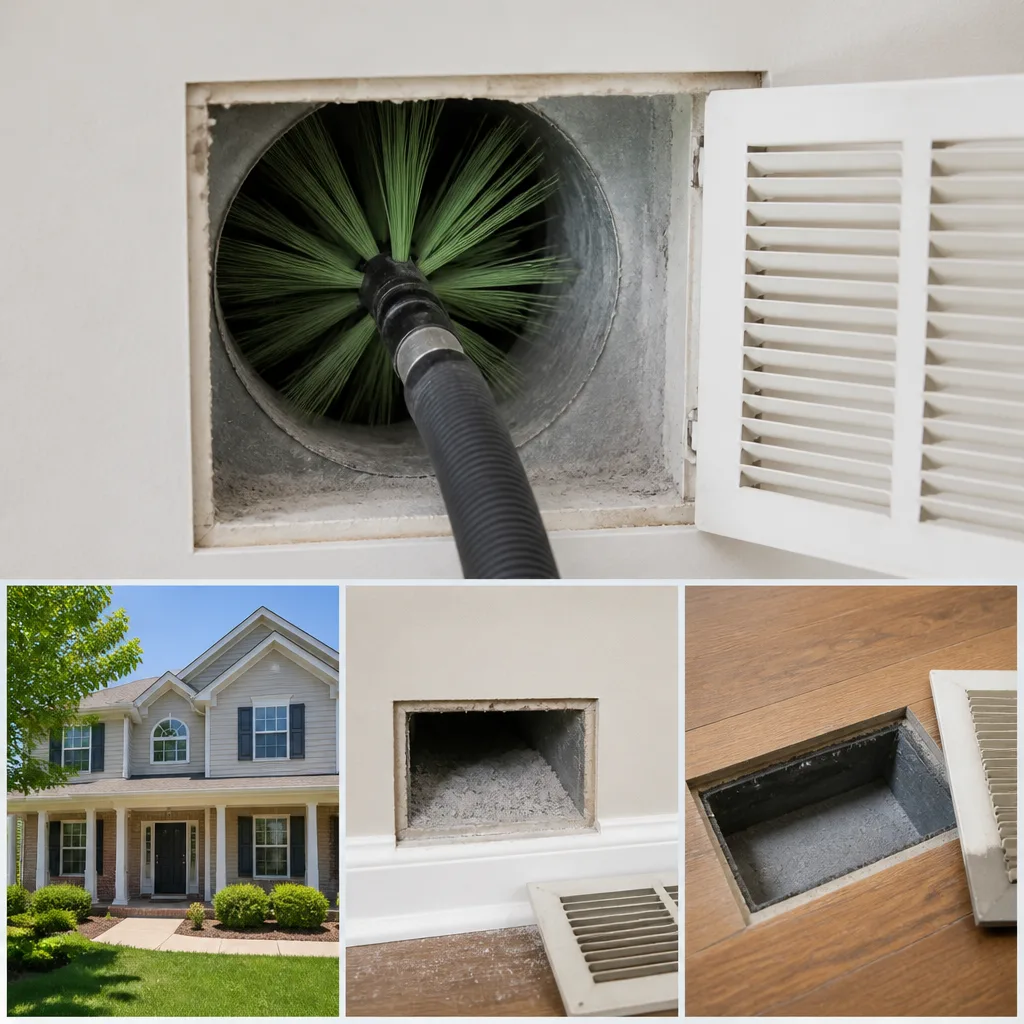 Whole-home duct cleaning
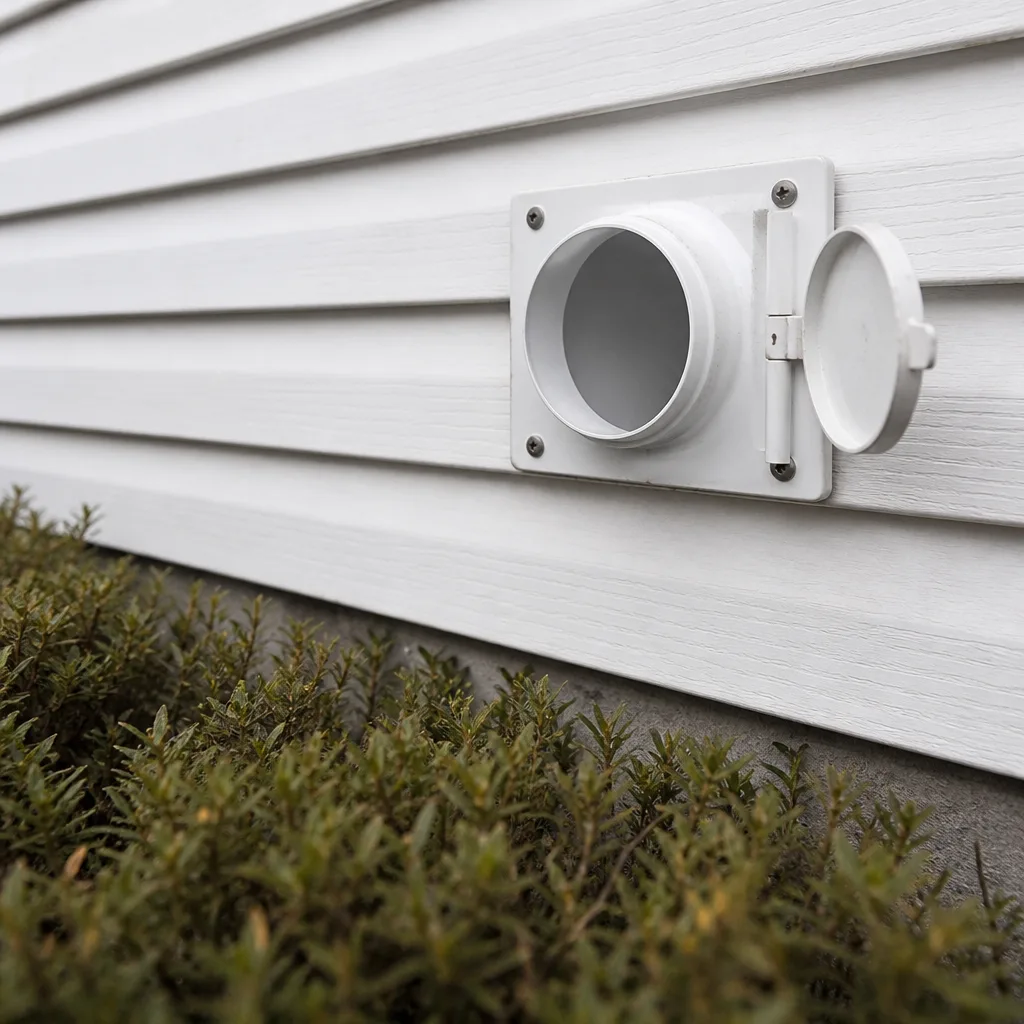 Dryer vent cleaning
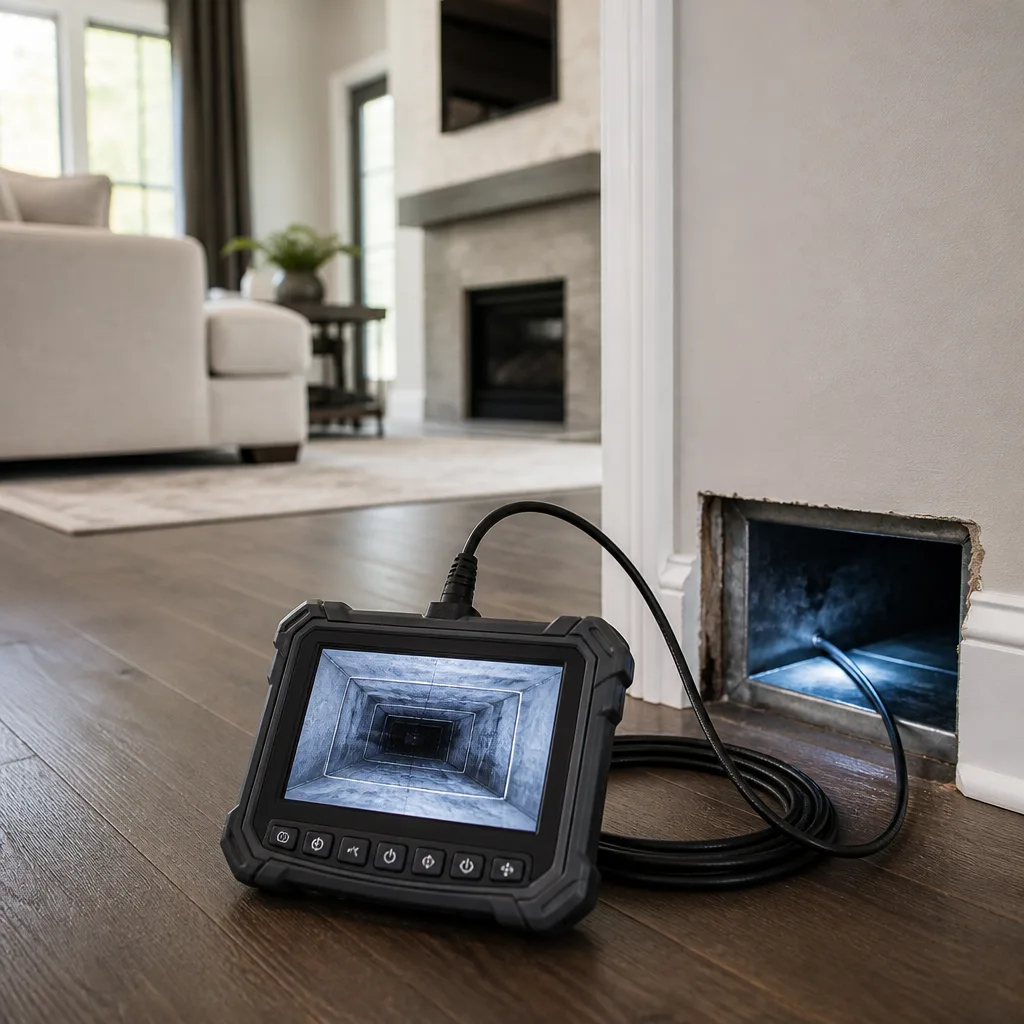 Camera inspection
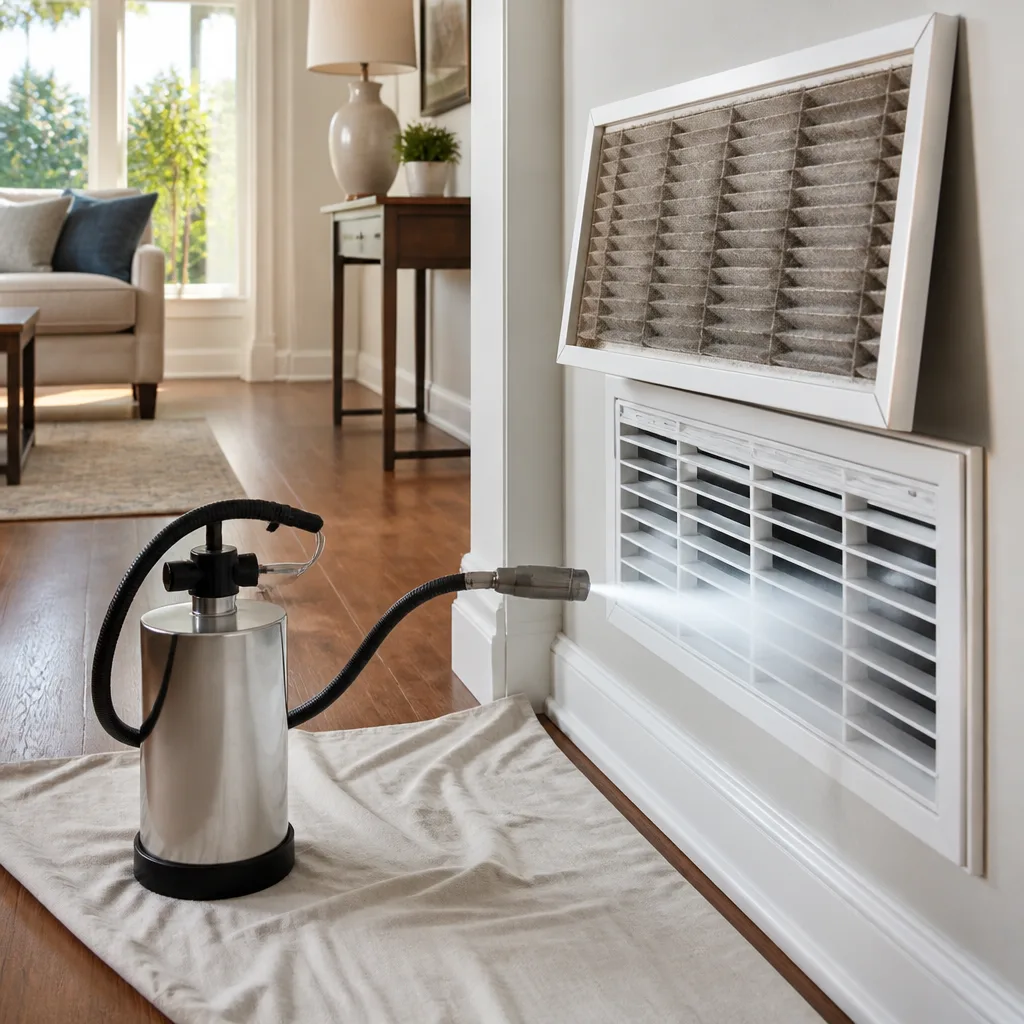 Sanitizing & deodorizing
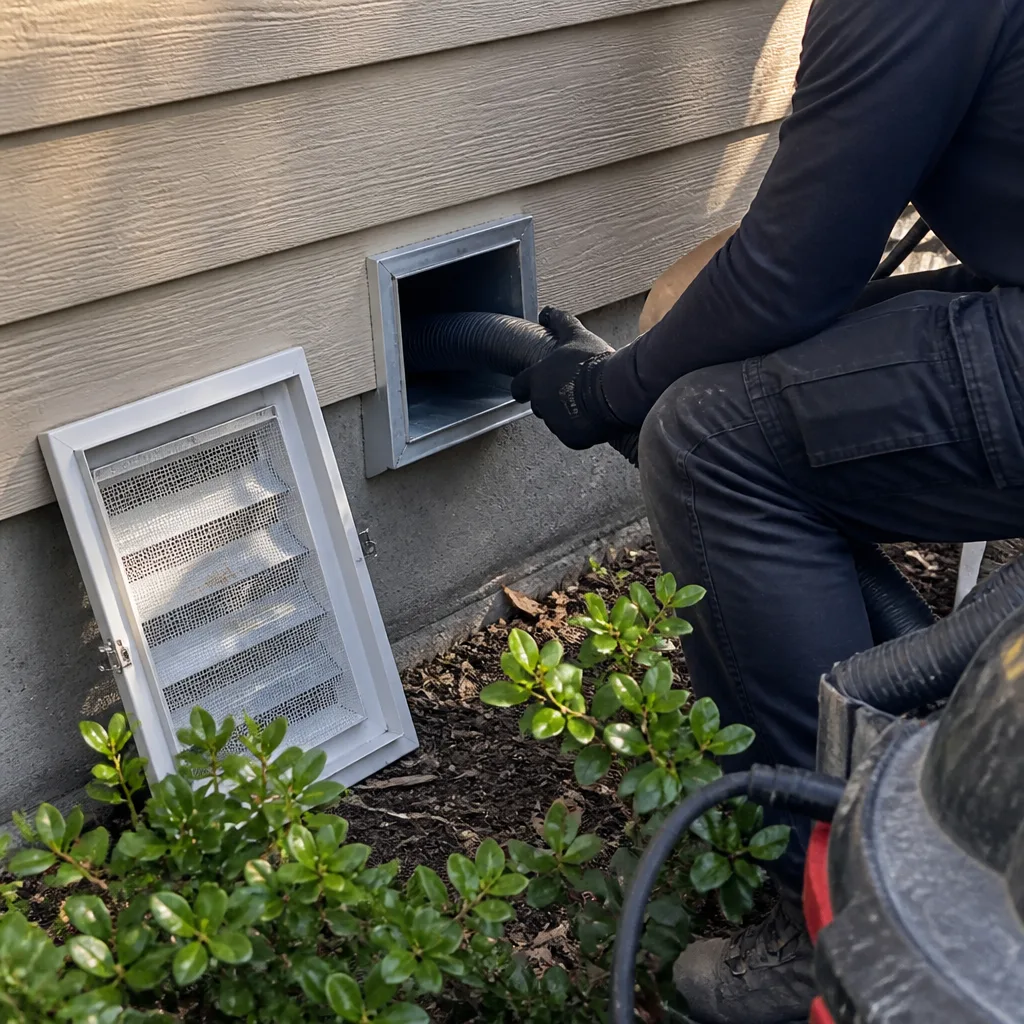
Whole-system duct and dryer vent check with before-and-after photos - you see exactly what came out of your vents
That "$99 whole-house special" is a bait ad - the real number appears once they are in your hallway, or the "clean" is a shop-vac at the register. We photograph the inside of your ducts before and after instead.
Air Duct Cleaning Permits, Codes & Inspections in TX: What You Need to Know
Here’s the part nobody tells you at the kitchen-table estimate: a duct cleaning itself almost never needs a permit, but some work that gets lumped in with “cleaning” can. If a technician cuts out a crushed section of flex duct and splices in a new piece, or reseals a supply boot that’s pulling attic air into your living room, that’s repair work. And in Austin, certain repair work triggers mechanical permit requirements under the city’s adopted code. Skip that step, and the unpermitted modification sits in your home’s history until a resale inspection flags it. This guide walks through exactly where Austin draws the line between cleaning (no permit) and modification (maybe a permit), what Texas state agencies actually oversee, and how to verify your home’s duct history before you buy or sell. For a deeper dive, see our Complete Guide to Air Duct Cleaning in Austin.
Quick Answer
Our Air Duct Cleaning services in Texas do not require a permit, but duct repair or replacement work, including replacing flex duct sections or sealing supply boots, may require a City of Austin mechanical permit depending on scope. Mold remediation inside ducts crosses into Texas Department of Licensing and Regulation (TDLR) licensed mold contractor territory under state law. Before buying or selling a home in Austin, homeowners can check the city’s permit portal to verify whether prior duct work was properly permitted.
Styles & brands we work with
Table of Contents
- Cleaning vs. Repair: Where Austin Draws the Permit Line
- What the City of Austin Mechanical Code Actually Says
- Texas State Oversight: TDLR, the Plumbing Board, and General Contractors
- When Mold Remediation in Ducts Becomes Licensed Contractor Territory
- How to Use Austin’s Permit Portal to Check Duct Work History
- What Unpermitted Duct Work Does at Resale Inspection
- Three Scenarios Where Cardinal Flags a Permit Before Work Starts
- Common Mistakes to Avoid
- When to Call a Professional
- Frequently Asked Questions
Cleaning vs. Repair: Where Austin Draws the Permit Line
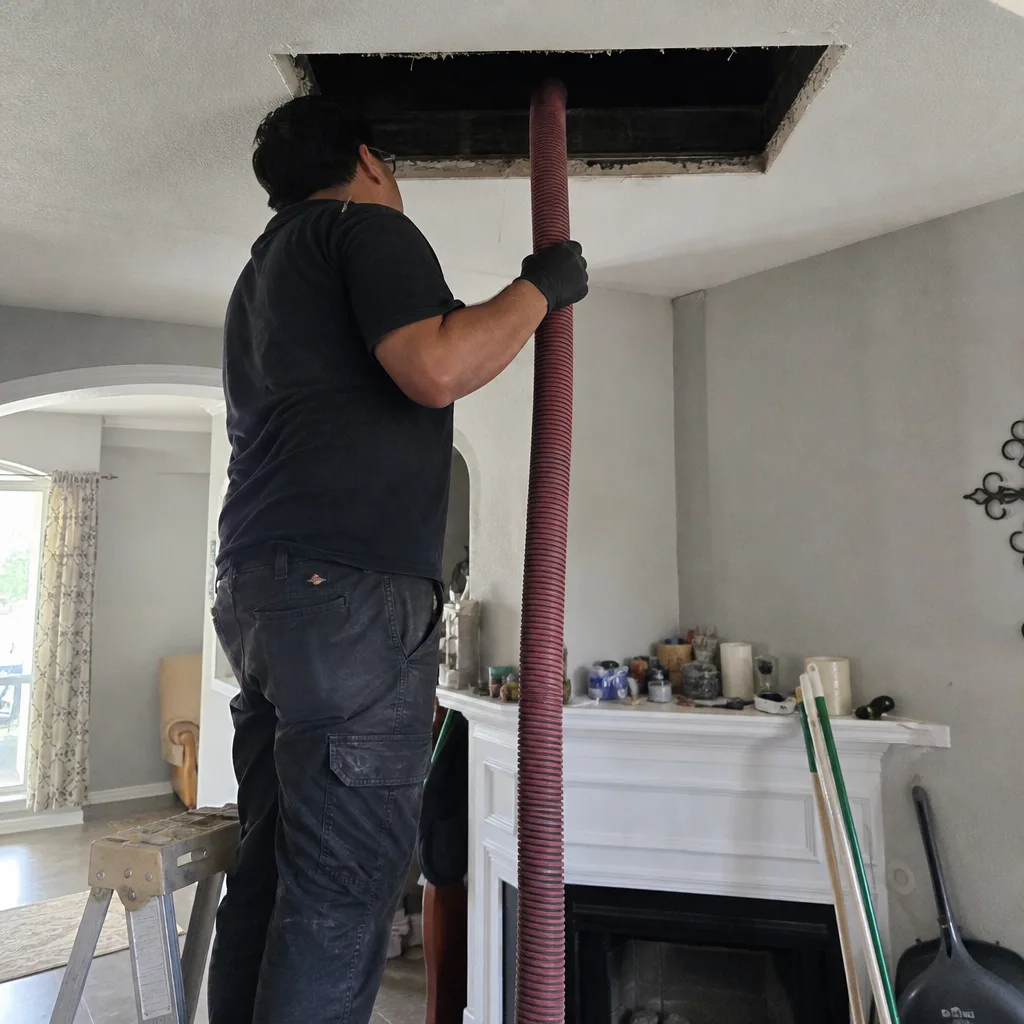
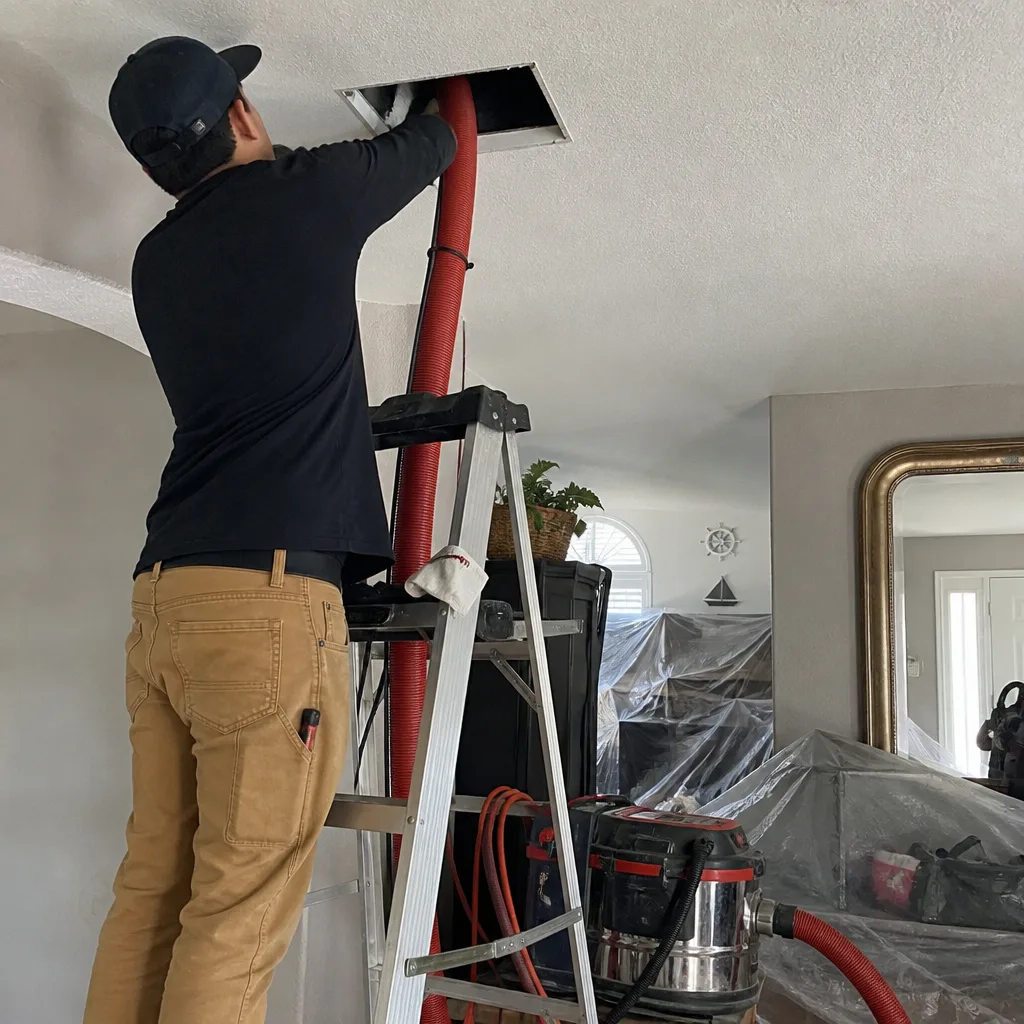
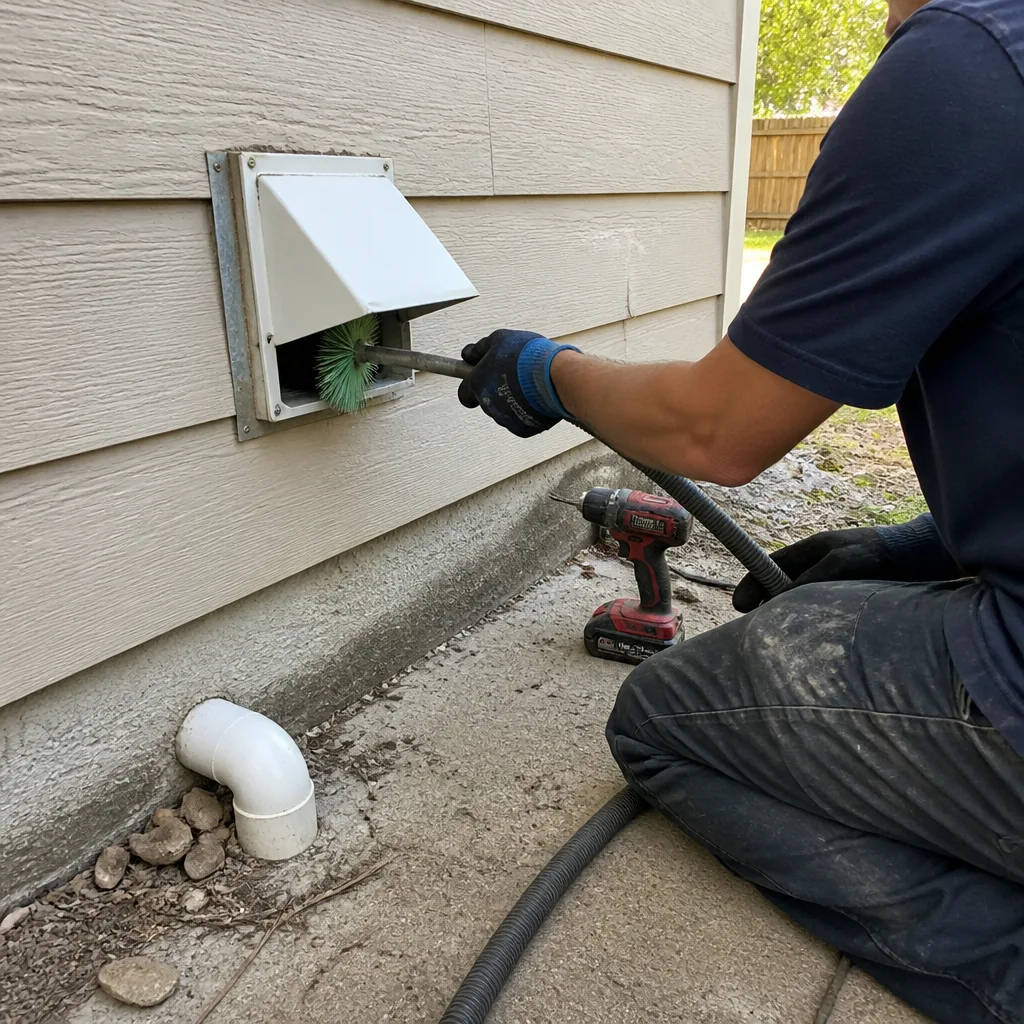
The distinction matters more than most homeowners realize. Cleaning means removing accumulated debris from existing ductwork without altering the system’s structure. That means running a rotary brush through the supply and return runs, extracting the loosened material with a HEPA vacuum, and sanitizing surfaces. No permit needed. The system stays exactly as it was, just cleaner.
Repair means changing something physical. Replacing a flex duct run that’s collapsed, torn, or saturated with rodent activity. Cutting out a corroded section of rigid duct and fitting a new piece. Replacing a supply boot, the metal or plastic fitting that connects a duct run to a floor or ceiling register. Any of those changes the system’s physical configuration. In Austin, that’s where mechanical permitting enters the conversation.
Our technicians at Cardinal Air Duct Austin home are trained to spot the difference immediately. A collapsed flex run in an attic over Westlake isn’t a cleaning problem. It’s a repair. And we’ll say so before any tool comes off the truck. That candor costs us a few jobs, honestly. Some companies will “clean around” a failed flex section or wrap it in tape and call it good. We won’t, because that tape job becomes a resale inspection finding in two years and the seller’s repair credit comes out of someone’s listing price.
What the City of Austin Mechanical Code Actually Says
The City of Austin adopts the International Mechanical Code (IMC) with local amendments. The relevant section for duct work is Chapter 6, which covers duct systems, and Chapter 3, which covers general regulations including when a permit is required. The trigger language in Section 106 of the IMC is straightforward: a permit is required for any mechanical work that involves the installation, alteration, repair, or replacement of a mechanical system.
Cleaning is none of those. Cleaning is maintenance. No permit required under Austin’s adopted code.
But here’s the line that matters: the IMC defines “alteration” and “repair” broadly enough that a partial duct replacement, even a five-foot flex section, falls into permit territory. The code doesn’t say “large modifications only.” It says alterations and repairs require permits. A five-foot flex replacement is a repair.
Now, enforcement reality in Austin is nuanced. A homeowner replacing a single flex run in a crawlspace on a Saturday afternoon probably doesn’t file a permit, and an inspector isn’t knocking on doors in Brentwood looking for unpermitted flex splices. But the question isn’t whether you’ll get caught mid-job. The question is what happens later. A resale inspection is a documentation review. A code compliance officer checking the permit history doesn’t see “small repair.” They see work done without a permit and write it up.
Austin’s specific amendment framework also means some neighborhoods with historic district overlays or specific homeowner association requirements layer additional rules on top of the city code. A duct replacement in a Hyde Park historic home may face a different documentation path than the same job in a 2010 build in Mueller.
Texas State Oversight: TDLR, the Plumbing Board, and General Contractors
Texas splits duct work oversight across several agencies, and homeowners often assume one agency covers everything when none does. Here’s the actual map:
- Texas Department of Licensing and Regulation (TDLR): Licenses mold assessment and remediation contractors under the Texas Mold Assessment and Remediation Rules. Any company performing mold remediation inside ductwork must hold a TDLR mold remediation license. A duct cleaning company without that license cannot legally remediate mold. They can clean, but they cannot remediate.
- Texas State Board of Plumbing Examiners (TSBPE): Oversees plumbing. Duct work is not plumbing, but some duct-related sealing in tight proximity to plumbing penetrations can blur the line in multifamily buildings. Practically, TSBPE is rarely the authority having jurisdiction over residential duct work.
- General contractor scope: In Texas, most single-family residential duct cleaning and duct repair falls under general contractor scope. No state-level license is required to perform duct cleaning itself. That means the burden of verifying competence falls on the homeowner. It’s one reason we name our equipment, our technicians, and our process up front. The state won’t screen contractors for you.
- Texas Department of Insurance: Not a licensing body for duct work, but relevant if a fire or water damage claim touches duct replacement. Restoration contractors often work under TDI rules for claims-related work, which can affect documentation.
The takeaway: Texas does not require a state license to clean air ducts. It does require a TDLR license to remediate mold in ducts. And the City of Austin requires mechanical permits for duct repair and replacement under its adopted code. Three separate layers, often confused in the same estimate conversation.
When Mold Remediation in Ducts Becomes Licensed Contractor Territory
Mold is where duct work gets legally complicated fastest in Texas. The TDLR mold rules apply to remediation, defined as the removal, cleaning, or treatment of mold that exceeds 25 contiguous square feet. Below that threshold, general cleaning practices apply. Inside a duct system, measuring contiguous square footage is difficult, but visible mold growth in multiple supply runs or across the return plenum typically exceeds the threshold.
Here’s what that means for a homeowner in Austin: if we inspect your ducts and find visible mold, our recommendation changes. A standard Air Duct Cleaning in Austin job removes debris, dust, and biological material like pollen and pet dander. It does not remediate mold, and no legitimate company should tell you it does. Mold remediation requires containment, negative air pressure, HEPA filtration at the remediation site, and licensed personnel. That’s a TDLR-regulated process.
We carry Abatement Technologies containment units precisely because some jobs veer from cleaning into remediation territory. The equipment is there if a job’s scope shifts. But the legal boundary is bright: if remediation is required, a TDLR-licensed mold contractor performs it, not a duct cleaner without that license. We’ll tell you that directly and help connect you with the right trade.
This is also a place where Austin’s climate creates predictable patterns. High humidity from late spring through early fall feeds mold growth in duct systems that pull humid attic air through leaky supply boots. Homes in older Austin neighborhoods like Crestview and Allandale, where duct systems may be original to 1960s and 1970s construction, see this more often than newer builds with sealed duct runs.
How to Use Austin’s Permit Portal to Check Duct Work History
The City of Austin maintains an online permit portal called the Austin Build + Connect (AB+C) system. It’s searchable by address, and it’s the fastest way to see whether prior mechanical work on your home was permitted. Here’s the step-by-step process, useful whether you’re about to buy a home or list one:
- Go to the Austin Build + Connect portal. The city’s website links to it from the Development Services Department page. You do not need an account for basic searches.
- Enter the property address. Use the full street address exactly as it appears on your tax record or listing.
- Filter for mechanical permits. The portal lets you sort by permit type. Look for mechanical, HVAC, or duct-specific permits. Not all older permits are digitized, so a missing record doesn’t always mean unpermitted work, but a present record is definitive.
- Note the permit status. Statuses include issued, finaled, or expired. A permit that was pulled but never finaled means the work likely wasn’t inspected. That’s as much a problem at resale as no permit at all.
- Cross-reference with seller disclosures. Texas seller’s disclosure notices require disclosure of known unpermitted work. If the disclosure says “none” but the duct system shows clear signs of recent replacement, that discrepancy is worth raising before closing.
- Call the Development Services Department for questions. If the portal shows nothing but the home clearly had work done, a direct call to the Austin Development Services Department can clarify what records exist. They are generally helpful with pre-purchase inquiries.
This is the exact process we recommend to any Austin homeowner who tells us they’re preparing to sell. A five-minute portal search tells you whether you need to pull a retroactive permit or disclose unpermitted duct work before it becomes a closing-table problem.
What Unpermitted Duct Work Does at Resale Inspection
Resale inspections in Texas are performed by licensed inspectors following the Texas Real Estate Commission (TREC) standards. A TREC inspection is visual and operational. The inspector isn’t pulling permit records. But here’s what happens: a competent inspector flags visible duct replacement that looks recent, notes the quality of the work, and reports it in the written inspection.
Then the buyer’s agent asks for permit documentation. It’s a standard request in Austin’s market, especially for homes above the median price point where buyers are represented by experienced agents. If no permit exists, one of three things happens:
- The seller pays for a retroactive permit. Austin allows retroactive permitting in some cases, but the process requires exposing the work for inspection, which may mean cutting access into finished ceilings or walls.
- The seller issues a repair credit. The buyer accepts a dollar amount at closing to resolve the issue themselves. This is common but means the seller takes a direct financial hit.
- The deal renegotiates or dies. In a competitive market, some buyers simply walk. They don’t want a home with unpermitted mechanical work and unclear remediation costs.
None of those outcomes is good for the seller. A properly permitted duct repair, or a duct cleaning that doesn’t trigger permit requirements at all, avoids the issue entirely. That’s the value of knowing the distinction before work starts. Our recommendation for any homeowner planning to sell an Austin home is to review the permit history before listing, because the buyer’s side will, and finding it first costs less than defending it later.
Three Scenarios Where Cardinal Flags a Permit Before Work Starts
We apply this framework on every job because unpermitted work has a way of re-emerging at the worst possible moment. Here are the three scenarios where we’ll stop and tell you a permit is required, along with what we do instead of proceeding:
- Replacing flex duct sections. If we find collapsed, torn, or contaminated flex duct during a cleaning inspection, that’s a repair, not a cleaning. We’ll explain the finding, show you photos, and recommend a licensed mechanical contractor or pull the permit ourselves if the scope is within our capability. We will not simply splice new flex into place without documentation. Too many Austin resales have gone sideways over exactly that shortcut.
- Sealing or replacing supply boots. A supply boot leaking conditioned air into the attic or pulling attic air into the home is a physical alteration. Replacing or resealing a boot changes the duct system’s interface with the living space. In many cases, that work falls under mechanical permit requirements. We’ll flag it and coordinate with a licensed trade before any duct sealing happens.
- Mold findings that cross TDLR’s threshold. If a cleaning inspection reveals visible mold beyond normal surface accumulation, particularly in homes with humidity history, we stop, document what we found, and refer you to a TDLR-licensed mold remediation contractor. We do not remediate. We do not claim that cleaning removes mold. We just tell you the truth and connect you with someone who is legally authorized to do the work.
The pattern across all three: we’d rather tell you a permit or a license is needed before work starts than hand you a problem after we leave. It’s slower for us and sometimes more expensive for you, but it’s the only approach that holds up at resale inspection.
Common Mistakes to Avoid
- Assuming all duct work is permit-free. Cleaning is. Repair and replacement are not, under Austin’s adopted mechanical code. The distinction matters and blurring it creates resale risk.
- Letting a duct cleaner replace flex duct without documentation. Any company that will splice in new flex without pulling a permit is creating a future liability for you. Walk away from that estimate, no matter how convenient it looks.
- Treating mold remediation as a standard cleaning add-on. Texas law requires a TDLR mold remediation license for remediation work. A duct cleaning company offering “mold removal” without that license is operating illegally.
- Skipping the permit portal check before listing a home. Five minutes on Austin Build + Connect tells you what the buyer’s agent will find anyway. Knowing first lets you fix it on your schedule, not negotiate from weakness.
- Assuming a home inspector catches unpermitted work. TREC inspections are visual, not documentary. An inspector may flag the work, but the permit verification happens later, often during the repair negotiation phase. Don’t rely on the inspection to surface the problem.
- Confusing HVAC Cleaning in Austin with duct replacement. HVAC cleaning addresses the furnace, coils, and blower components. Duct cleaning addresses the distribution system. Neither includes replacement, but both can reveal existing repairs that were done improperly. Our equipment, including Rotobrush brush systems and Nikro HEPA vacuums, handles cleaning only. Repairs are a separate scope.
When to Call a Professional
Call a professional when you see visible flex duct that’s collapsed, sagging, or disconnected in your attic. Call when your supply boots are loose or you can feel air leaking around registers. Call when you see mold on register surfaces or inside visible duct runs. Call when the permit portal shows missing mechanical permits and you’re planning to sell. And call when a previous duct company did work you can’t verify. Dryer Vent Cleaning in Austin has its own fire-safety inspection considerations, and the same rules apply: cleaning is maintenance, replacement is different. Cardinal Air Duct Austin offers free estimates in Austin – call (940) 283-6595 and we’ll tell you what we see, not what we’re trying to sell.
Frequently Asked Questions
No. Routine air duct cleaning that removes debris without altering the duct system’s structure does not require a permit under Austin’s adopted mechanical code. The permit requirement triggers when work moves from cleaning into repair or replacement, such as swapping out flex duct or sealing supply boots.
Replacing flex duct sections, repairing rigid duct runs, replacing supply boots, and other physical alterations to the duct system generally trigger mechanical permit requirements under Austin’s adopted International Mechanical Code. The code treats alterations and repairs as permit-required work, regardless of scope size.
No. Texas does not require a state-level license to perform air duct cleaning. However, mold remediation in ducts does require a TDLR mold remediation license. A company without that license cannot legally remediate mold, even if it offers duct cleaning services.
Use the Austin Build + Connect (AB+C) permit portal, searchable by address. Filter for mechanical permits and check the status. A permit that was issued but never finaled means the work wasn’t inspected, which is as problematic at resale as no permit at all.
Not always. TREC inspections are visual, and an inspector may flag visible duct replacement. But permit verification typically happens later, when the buyer’s agent requests documentation. At that point, the seller faces a retroactive permit, a repair credit, or a renegotiated deal.
Only if it holds a TDLR mold remediation license. Most duct cleaning companies do not. Removing visible mold beyond the 25-square-foot threshold defined by TDLR rules requires a licensed remediation contractor, not a standard duct cleaning service. Cardinal Air Duct Austin will refer you to a licensed remediation contractor if we find mold during a cleaning inspection. Call (940) 283-6595 for an honest assessment.
The Bottom Line
Air duct cleaning in Austin needs no permit. Duct repair and replacement often does. Mold remediation in ducts requires a TDLR license, full stop. The distinctions are clear once you know where to look, and knowing them protects you at resale inspection, where unpermitted work becomes a negotiation liability. Check the Austin Build + Connect portal before buying or selling. Ask any duct company exactly what they plan to do and whether a permit applies. For more guides & resources, and if you’re not sure, call a company that will tell you the truth even when it costs them the job. That’s how we work, and it’s the only approach worth paying for.
Written by Omar Haddad, Owner at Cardinal Air Duct Austin, serving Austin since 2005.
See the difference
 Before
 After
After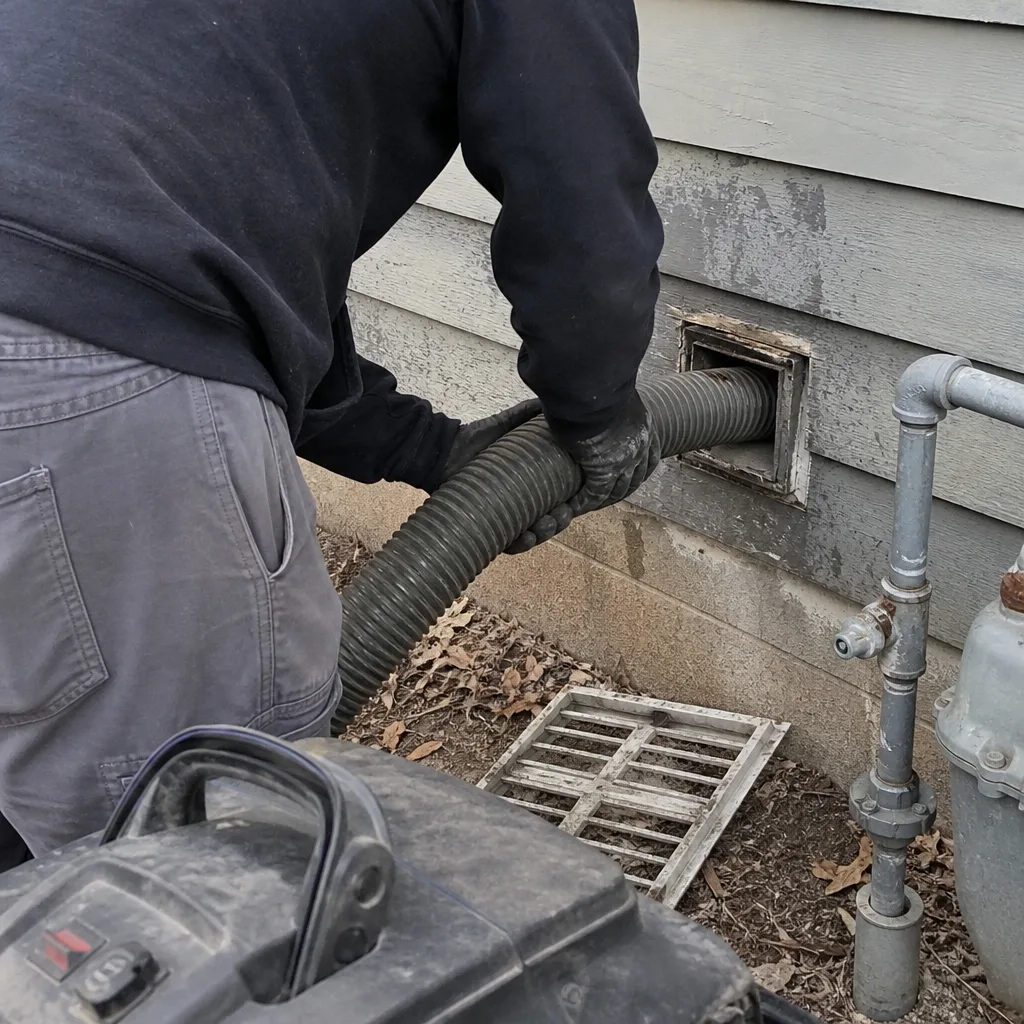 Before
 After
After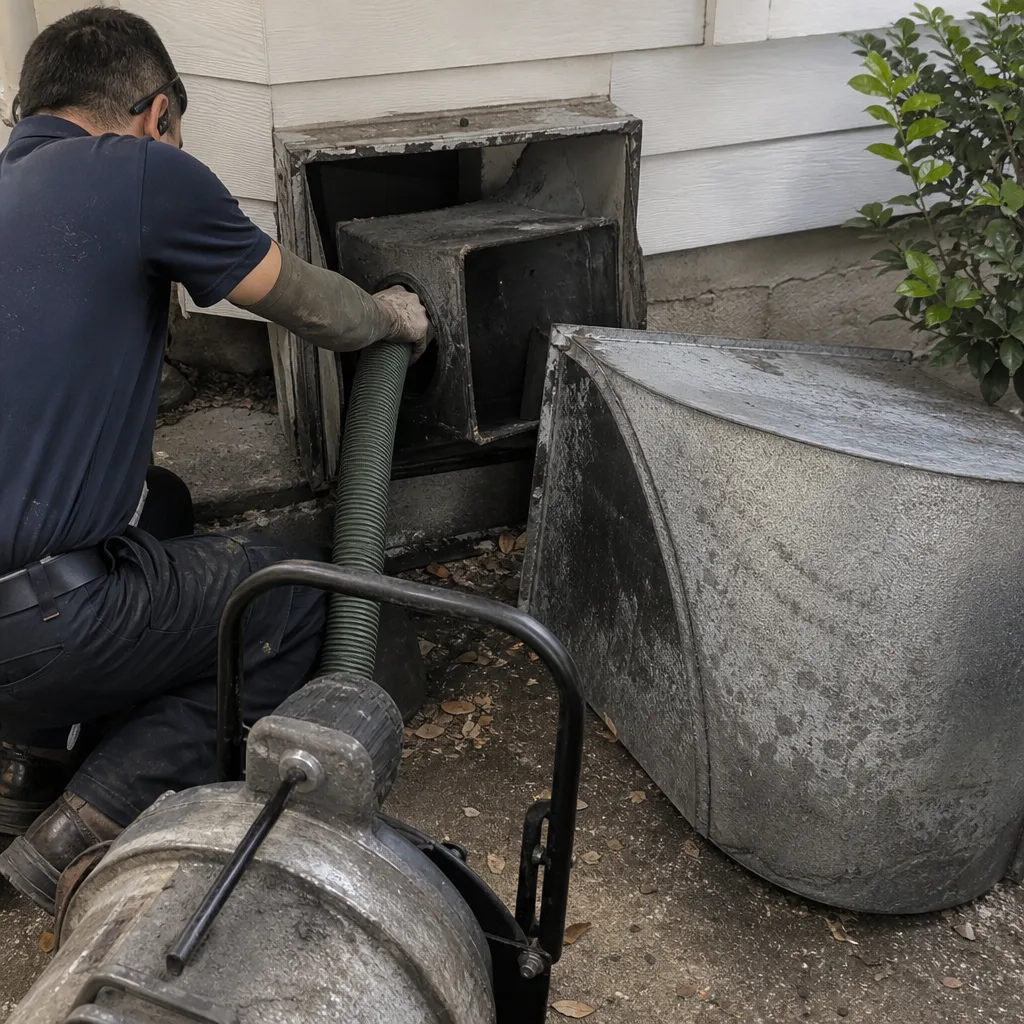 Before
 After
After