
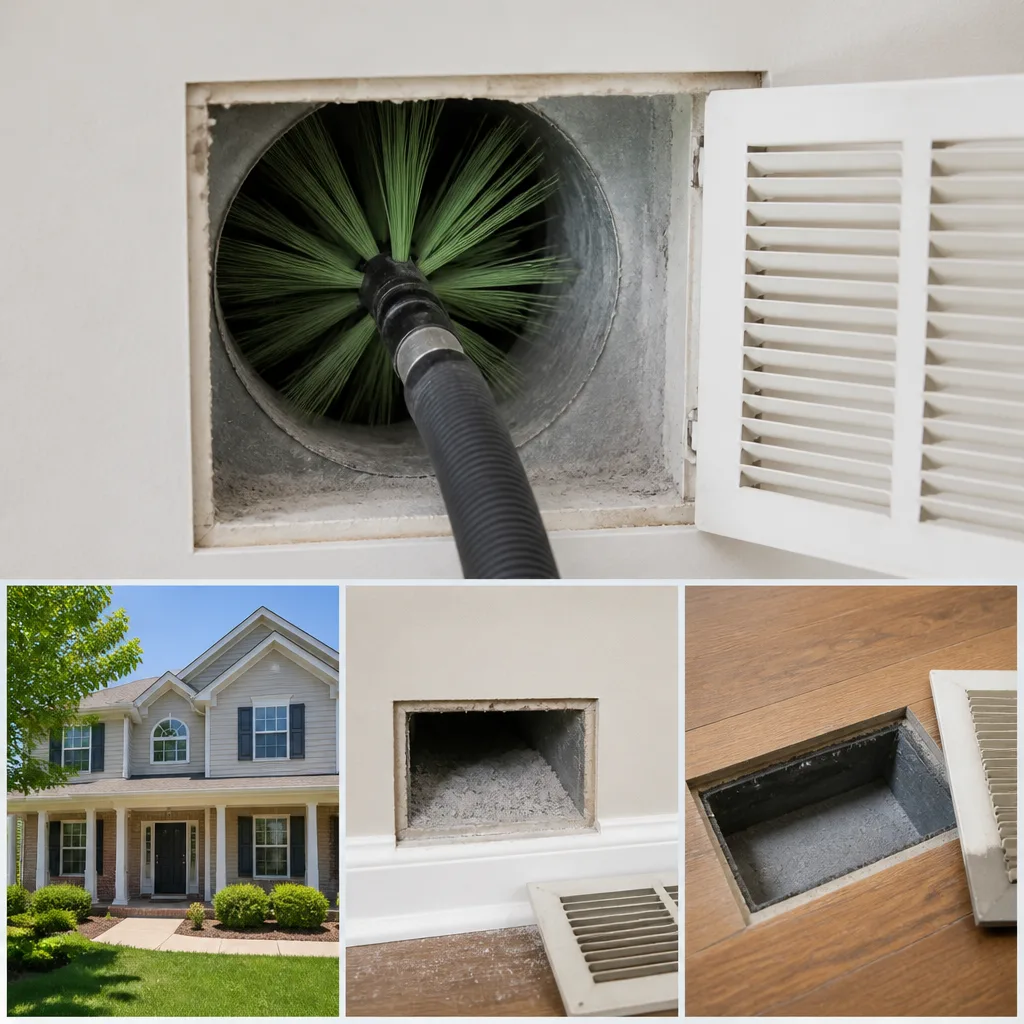
 Whole-home duct cleaning
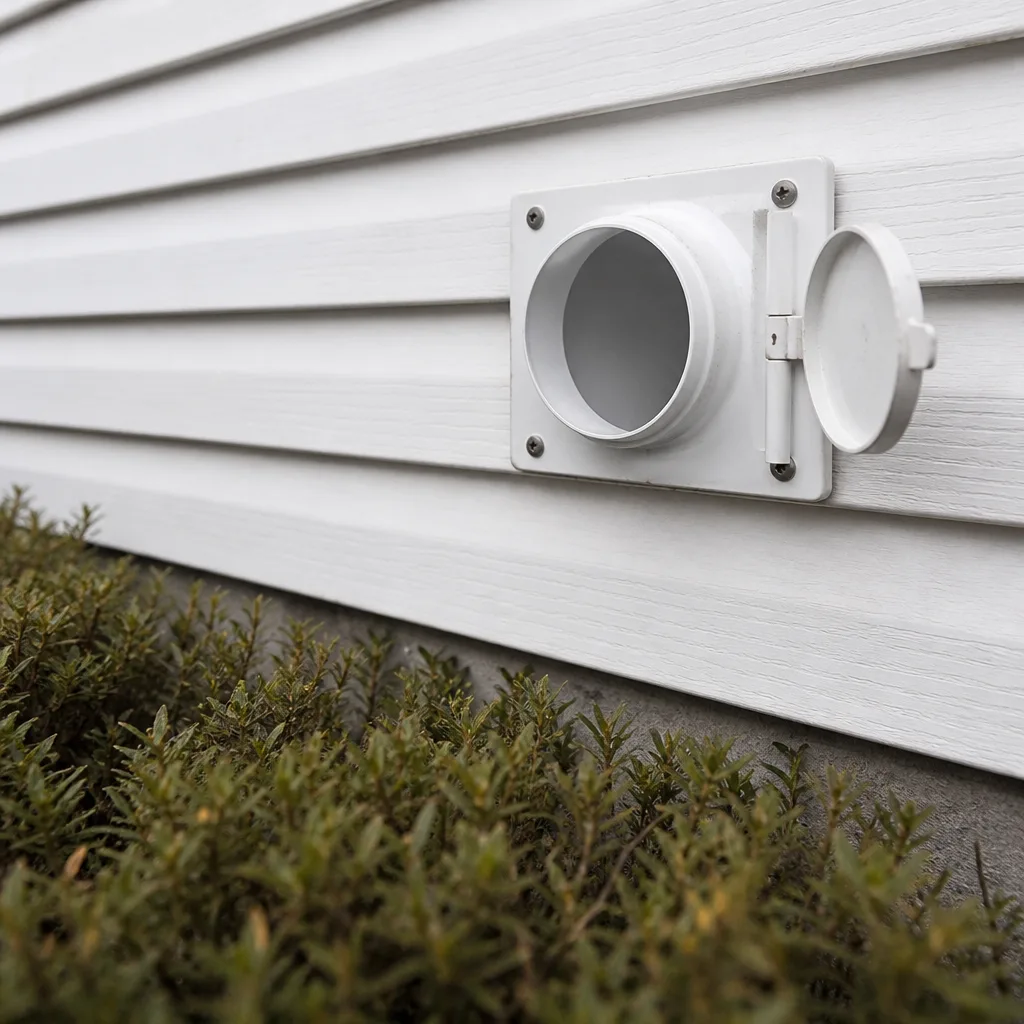 Dryer vent cleaning
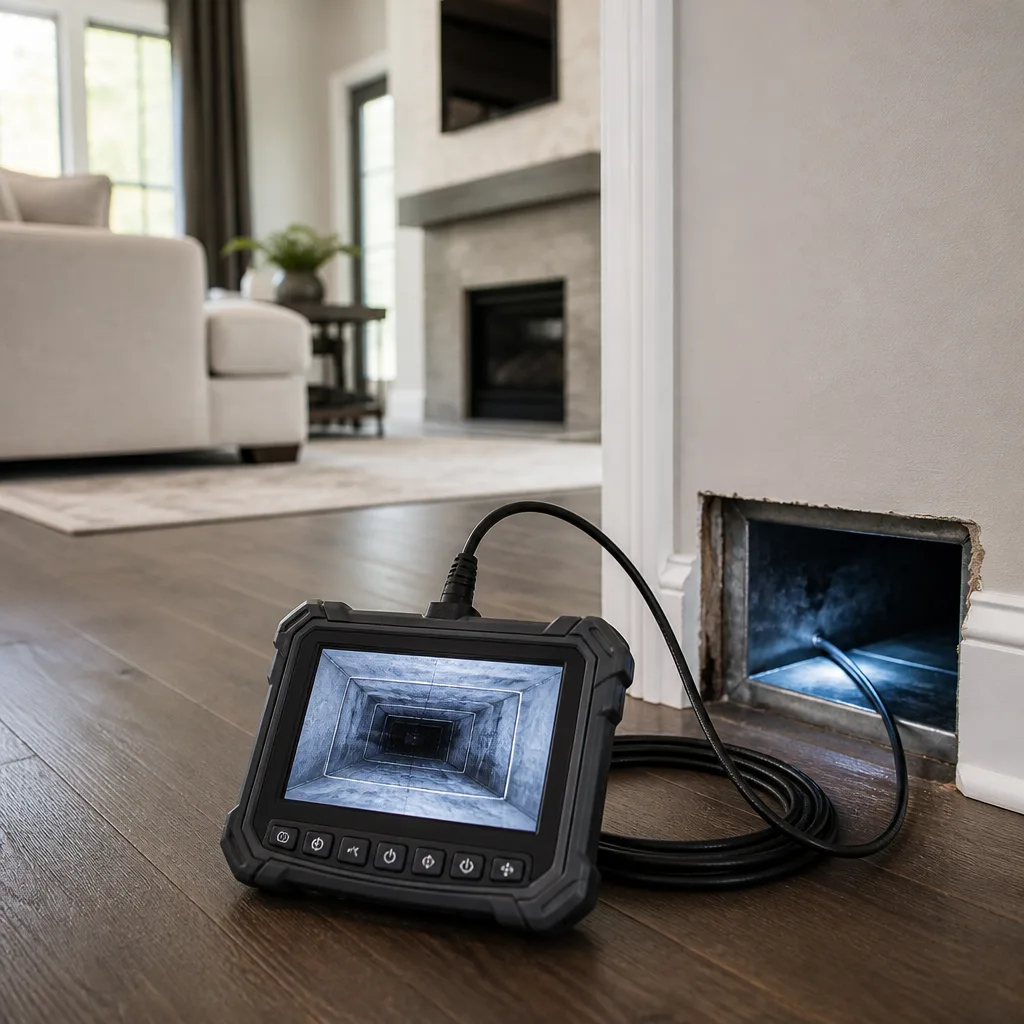 Camera inspection
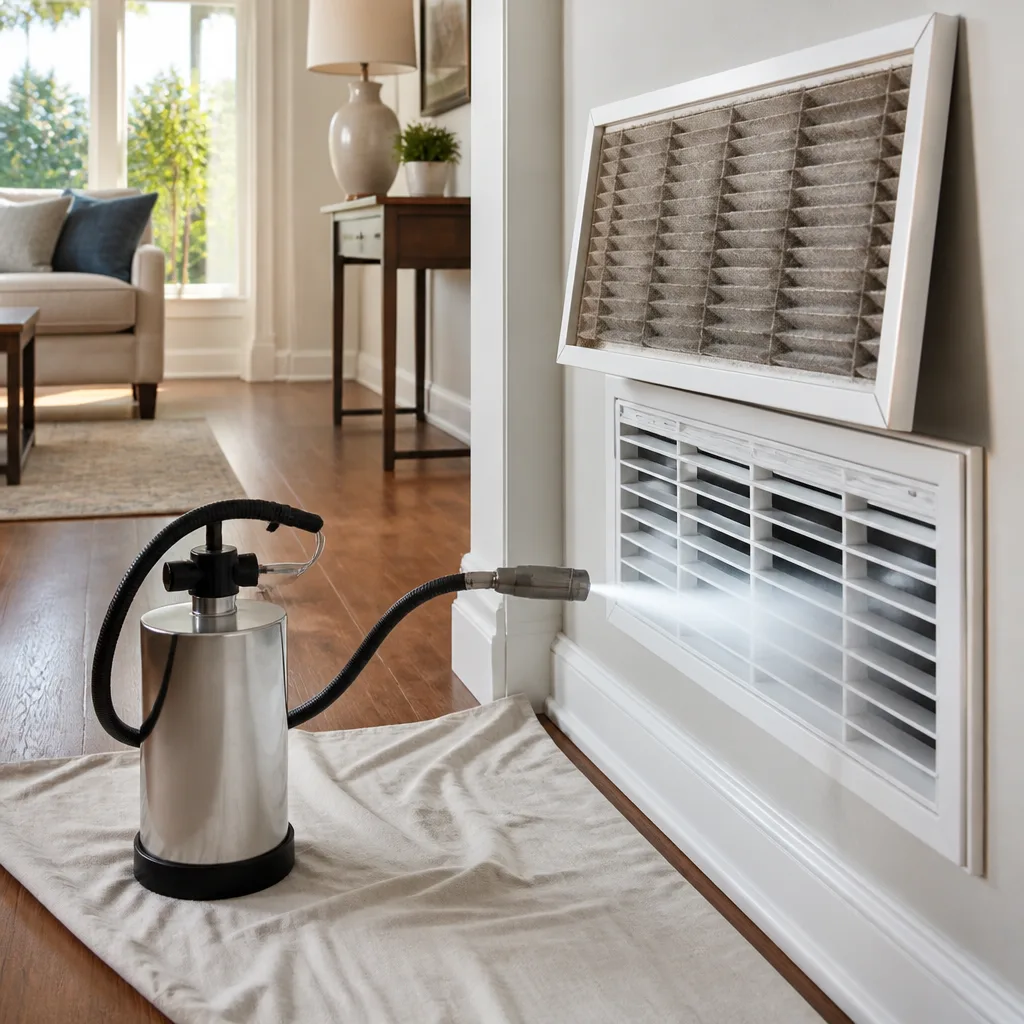 Sanitizing & deodorizing
Whole-system duct and dryer vent check with before-and-after photos - you see exactly what came out of your vents
That "$99 whole-house special" is a bait ad - the real number appears once they are in your hallway, or the "clean" is a shop-vac at the register. We photograph the inside of your ducts before and after instead.
Rotobrush HVAC Cleaning in Austin: What to Know First
Rotobrush HVAC cleaning in Austin means a full system cleaning using Rotobrush brand equipment: rotary brush agitation combined with negative-pressure extraction (that’s the vacuum pulling debris out as the brush loosens it, so nothing recirculates into your living room). Most standard whole-home cleanings run $350 – $650 depending on system size, with add-on services like coil treatment or blower cleaning priced separately. If you own Rotobrush equipment and need HVAC cleaning for your Austin home, call (940) 283-6595 for a written quote before any work starts. This page is for Austin homeowners and business owners who want to know exactly what a Rotobrush cleaning involves, what it costs, and who to call.
How Rotobrush Products Fail – and How We Fix Them
Over the years, Omar Haddad and our crew have seen the same Rotobrush issues repeat across Austin homes. Here’s what actually happens and what we do about it:
- Rotobrush R500 and R570 brush head bearing wear: The rotary brush head on these units spins at high RPM, and the bearing seals eventually dry out. Owners notice a high-pitched squeal or the brush hesitating mid-rotation. We disassemble the head, inspect bearing play, and replace worn bearings with OEM-spec parts before they score the shaft.
- Flex drive cable kinking on AIr+ series units: Austin homes built in the 90s and 2000s often have tight duct runs, which forces the flex drive cable into sharper angles than it was designed for. The cable kinks, the brush stops spinning, and the operator thinks the machine died. We straighten or replace the cable and adjust technique for tight-duct layouts.
- HEPA filter clogging from Austin’s caliche dust: Central Texas soil throws up a fine, alkaline powder that loads HEPA filters faster than the manufacturer’s suggested interval assumes. A Rotobrush pulling this dust will see suction drop noticeably after 15 – 20 homes. We check filter saturation before every job and swap filters when static pressure climbs, which keeps extraction effective.
- Collection bag seal failure on R500 models: The cloth collection bags on older R500 units use a tension ring that loosens over time. The result is dust blowing out the back of the machine, which defeats the purpose of negative-pressure cleaning. We re-tension or replace the ring and test the seal with a smoke pencil before starting.
- Brush head cam-lock wear: The cam-lock mechanism that holds the brush head to the drive cable wears with repeated use, especially on jobs with heavy debris, so the head slips or falls off mid-duct. We inspect the cam-lock at every job and replace the head or cable end before failure strands a brush inside a duct run.
These aren’t issues Rotobrush advertises, but they’re what we see in the field here in Austin.
Styles & brands we work with
Our Rotobrush HVAC Cleaning Process
Every Rotobrush cleaning we run follows the same sequence, and we tell you what’s happening at each step:
- 1
Pre-job inspection: We check the unit’s brush head, drive cable, and filters for the failure modes above before anything runs. If a part is worn, we tell you then, not after we’ve started.
- 2
Register and grille prep: We remove supply and return registers, bag them, and mark any that are painted or caulked so they go back exactly as found.
- 3
Rotary brush pass: The Rotobrush head runs through each supply and return run, loosening buildup. We watch brush speed and cable tension for the tight-duct kinks Austin floor plans create.
- 4
Negative-pressure extraction: The Nikro HEPA vacuum pulls the loosened material out as we go. No dust recirculates into your living spaces.
- 5
Component cleaning as requested: Evaporator coil, blower wheel, condenser, air handler, or heat exchanger cleaning happens here, with before-and-after photos you can see from your phone.
- 6
Final test and written report: We run the system, verify airflow and static pressure, and hand you a written summary of what was done, what was found, and what your guarantee covers.
See the difference
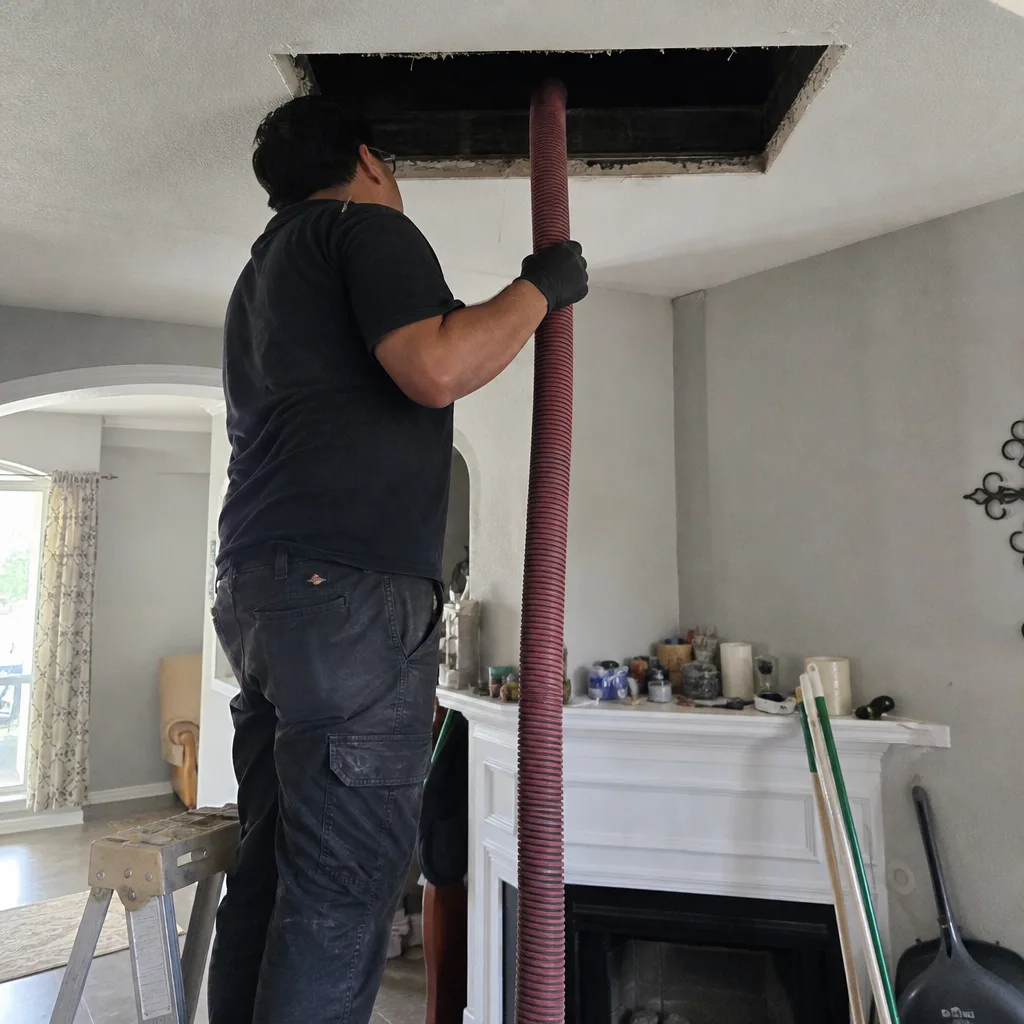 Before
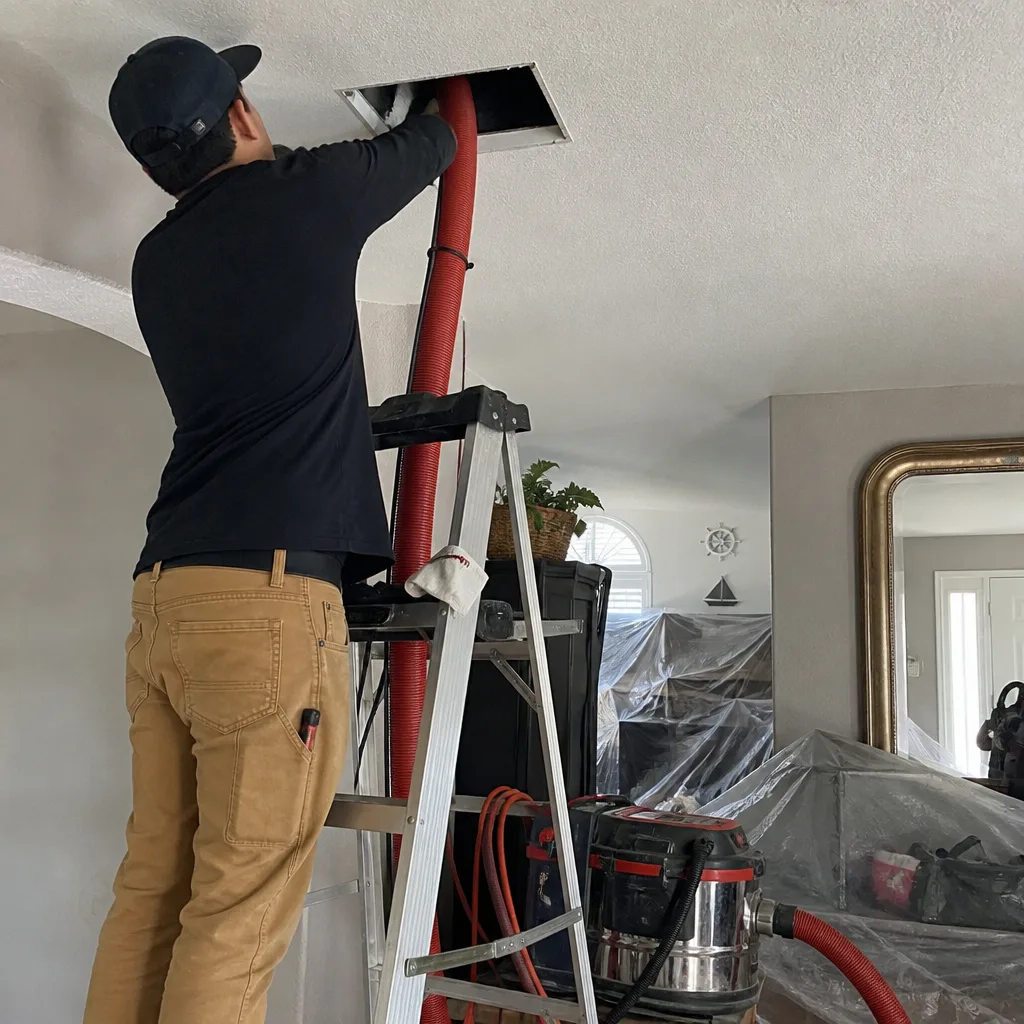 After
After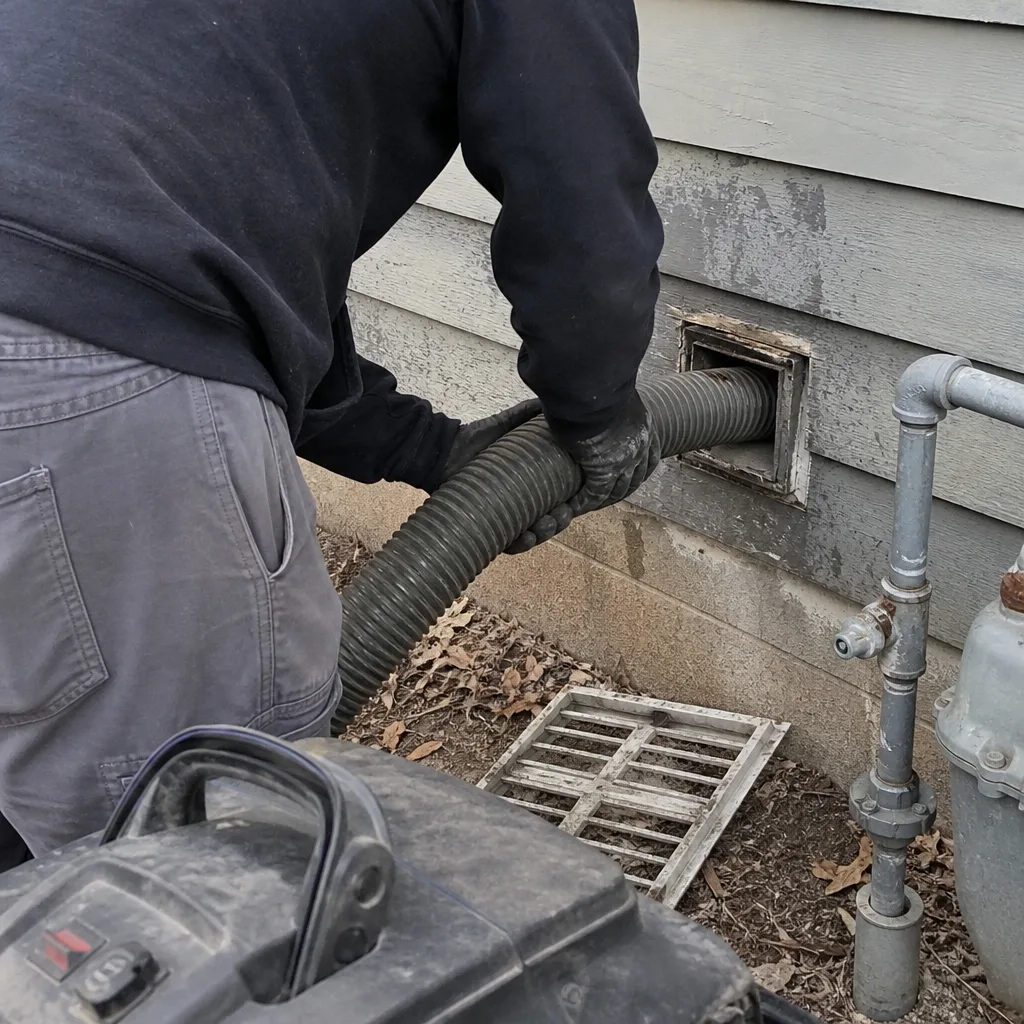 Before
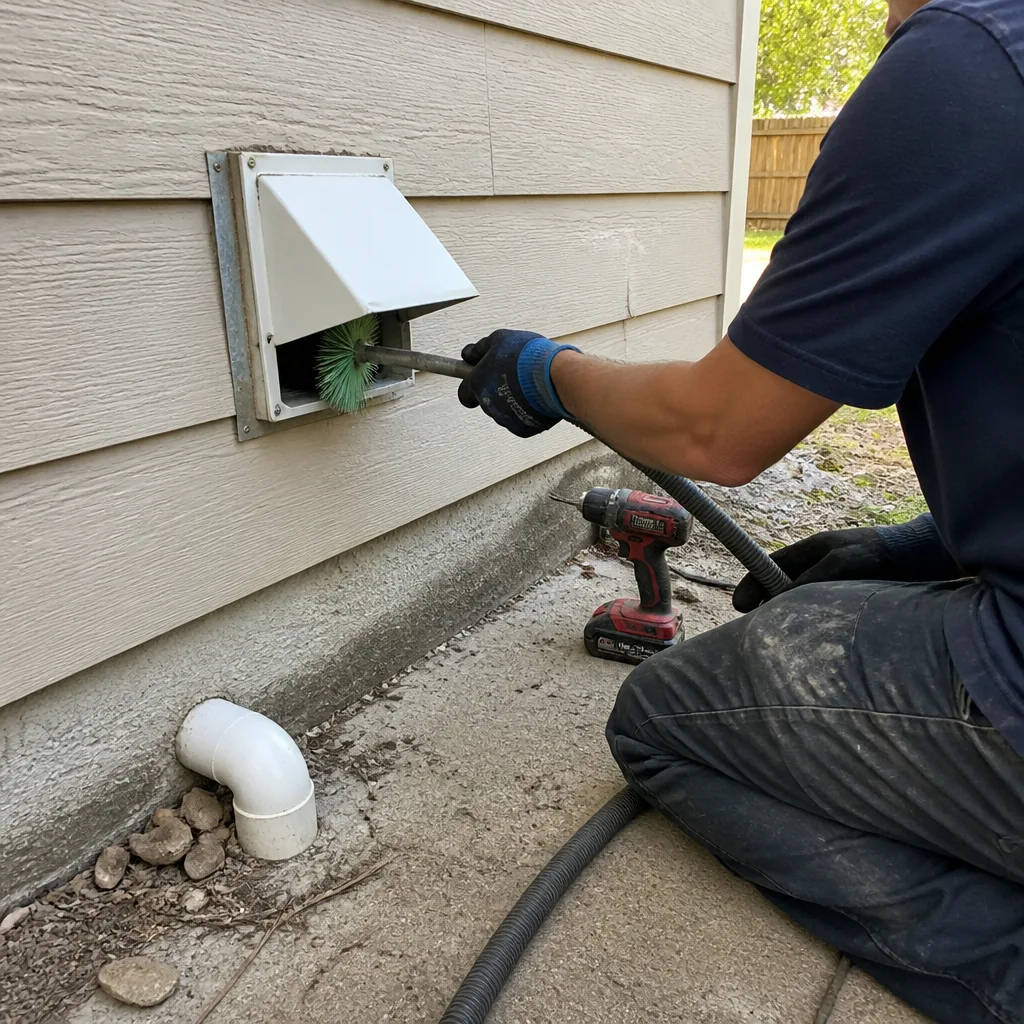 After
After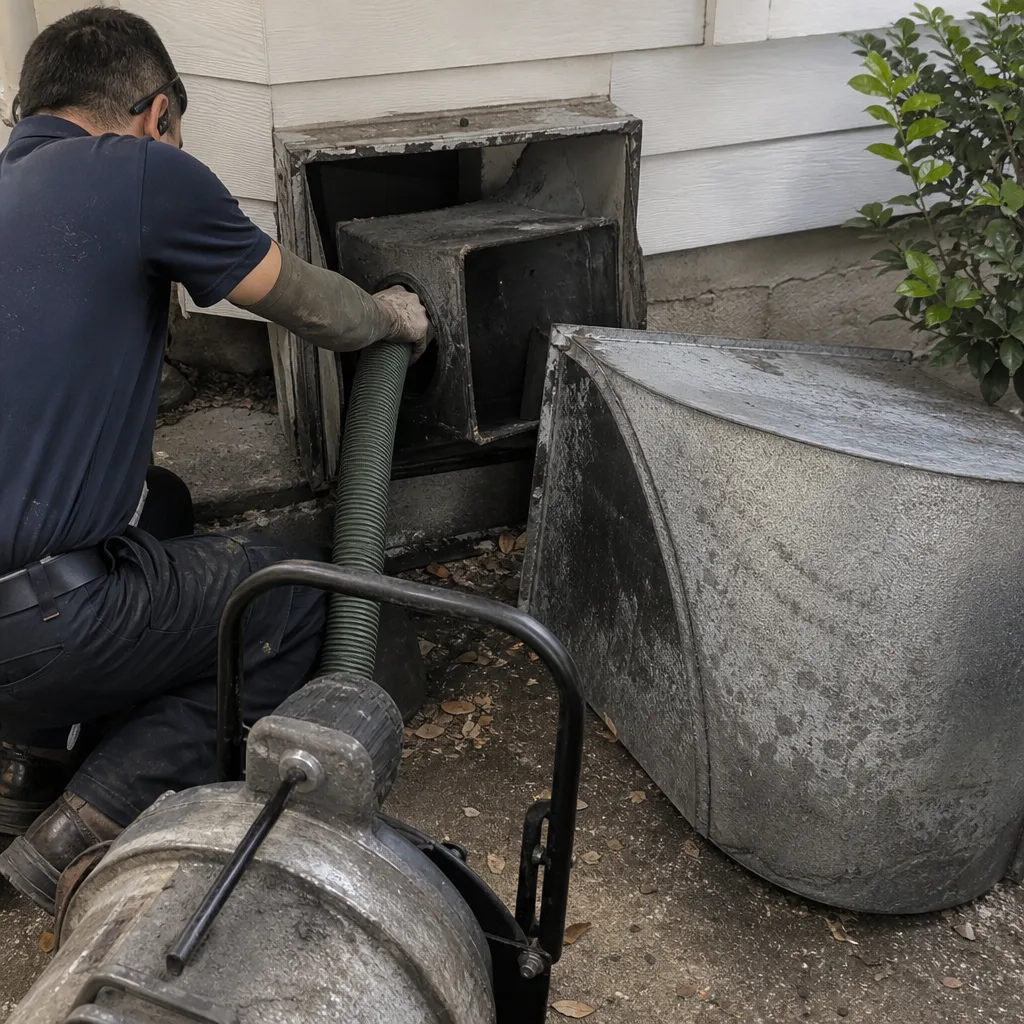 Before
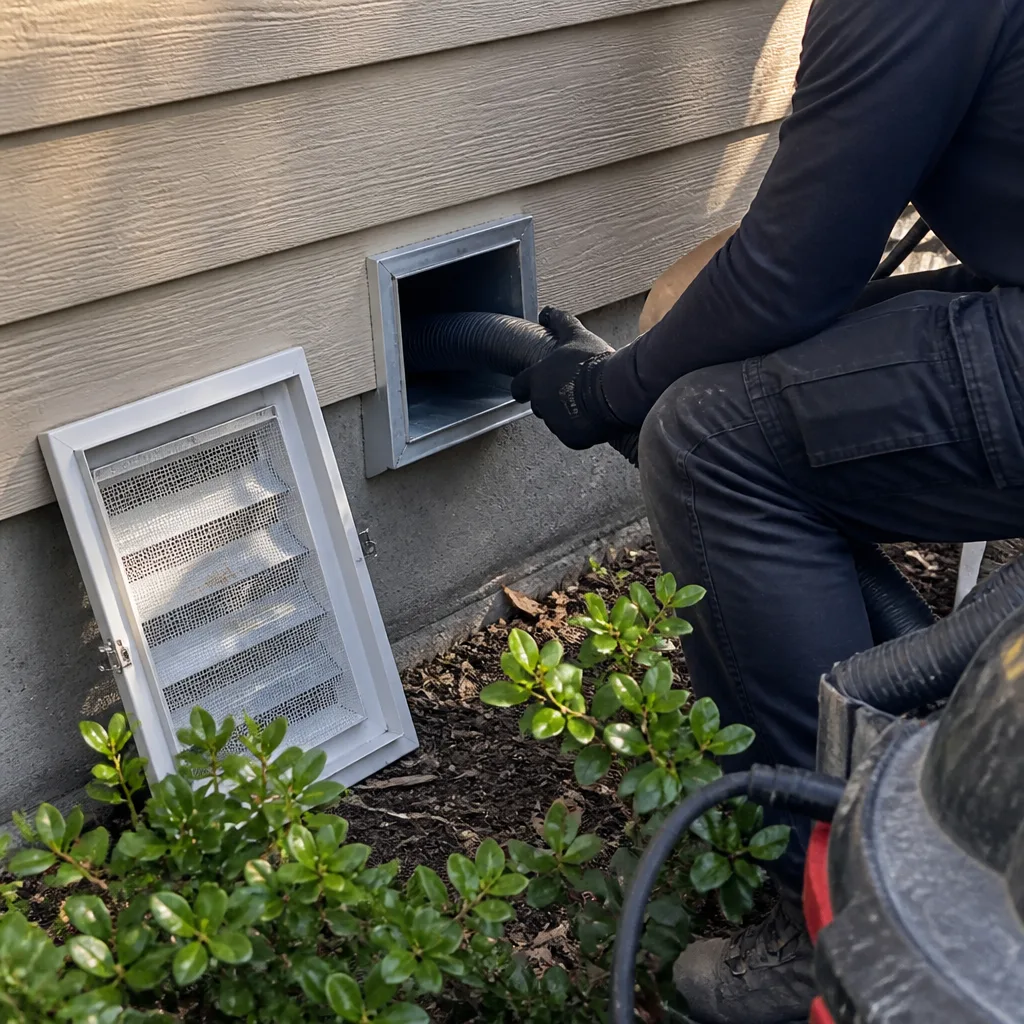 After
AfterWhat Rotobrush HVAC Cleaning Costs in Austin
Here are honest Austin price ranges for Rotobrush HVAC cleaning, based on what we quote and bill:
- Whole-home duct cleaning (up to 12 vents): $350 – $550, including the rotary brush pass and negative-pressure extraction
- Whole-home duct cleaning (13 – 20 vents): $500 – $650 for larger Austin homes in neighborhoods like Tarrytown, Circle C, or Avery Ranch
- Evaporator coil cleaning: $175 – $325 depending on coil condition and accessibility
- Blower wheel cleaning: $150 – $275, includes removal, cleaning, and reinstallation
- Condenser cleaning (outdoor unit): $125 – $225, includes coil cleaning, fin straightening, and clearance check
- Coil treatment (antimicrobial): $125 – $225 per coil, applied after cleaning
What moves the price: number of vents, how long it’s been since the last cleaning, whether you want component cleaning (coil, blower, condenser) added, and whether the system is a single or dual-zone setup. You get a written price before any work starts, and that price does not change at the door. Call (940) 283-6595 for a free estimate.
Why Austin Homeowners Call Cardinal Air Duct Austin for Rotobrush Work
Rotobrush is our house brand for rotary brush cleaning. That means our techs run these machines every single week across Austin, from Mueller to Westlake, and they know how a Rotobrush behaves in a 1970s ranch house versus a 2015 build near the Domain. We’re an independent Rotobrush service provider, so we’re not bound by dealer quotas or manufacturer upselling. We also carry multi-brand backup capability: if your Rotobrush unit is down and the system happens to be a Lennox, Trane, or Carrier, our techs can work on those too. Every job carries the 365-Day Done Right Promise: if the work isn’t right within a full year, we return and correct it at no charge. Written price before any work starts, background-checked uniformed techs, and a live person answers when you call. That’s the Cardinal standard.
FAQs
No. Rotobrush equipment cleans the ducts and components, and when used correctly by a trained operator, it does not damage the system or void manufacturer warranties. We follow safe cleaning practices for the equipment and your HVAC system, and we document everything in writing.
Most whole-home cleanings take 3 to 5 hours, depending on the number of vents and how much buildup is present. Component cleaning like evap coil or blower work adds another 1 to 2 hours. We give you a time window up front and keep you updated via The Relay Standard booking experience if anything shifts.
We provide before-and-after photos of your ducts, coils, and other cleaned components, taken with the same camera angle so you can see the difference. You also get a written report of what was removed and what condition the system is in. Clean air isn’t a luxury – it’s just what your system was built to deliver.
We see Rotobrush R500, R570, and AIr+ series units most commonly across Austin homes. All of them handle rotary brush cleaning well, but each has its own weak points (bearing wear, cable kink, filter loading) that we know how to catch and address.
Yes, and we see this regularly in Austin. Some companies run a quick “clean” that leaves coils coated and registers dusty. We do a full rotary brush and negative-pressure pass, and if you have before photos from the previous service, we’ll compare and show you what we’re fixing. Call (940) 283-6595 and we’ll tell you straight what you need.
Written by Omar Haddad, Owner, Cardinal Air Duct Austin at Cardinal Air Duct Austin, serving Austin and nearby areas.