
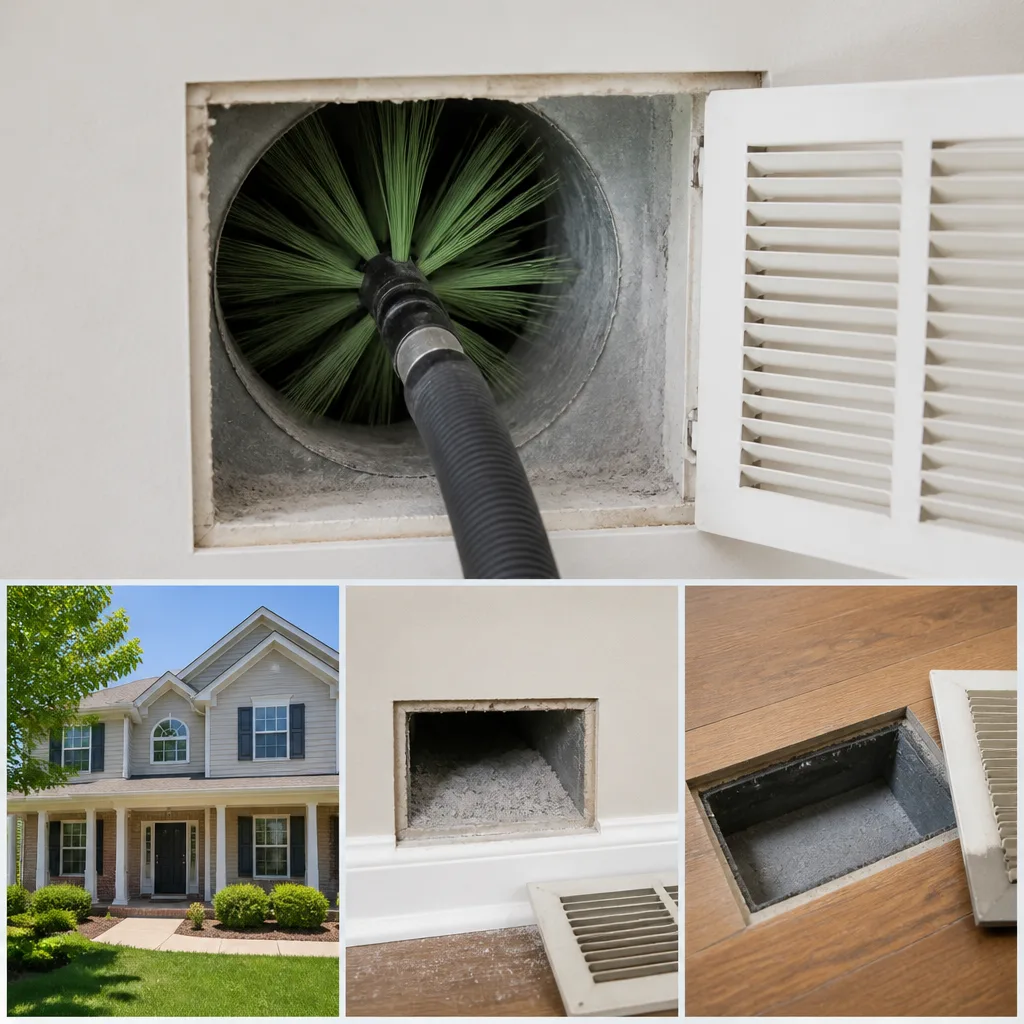
 Whole-home duct cleaning
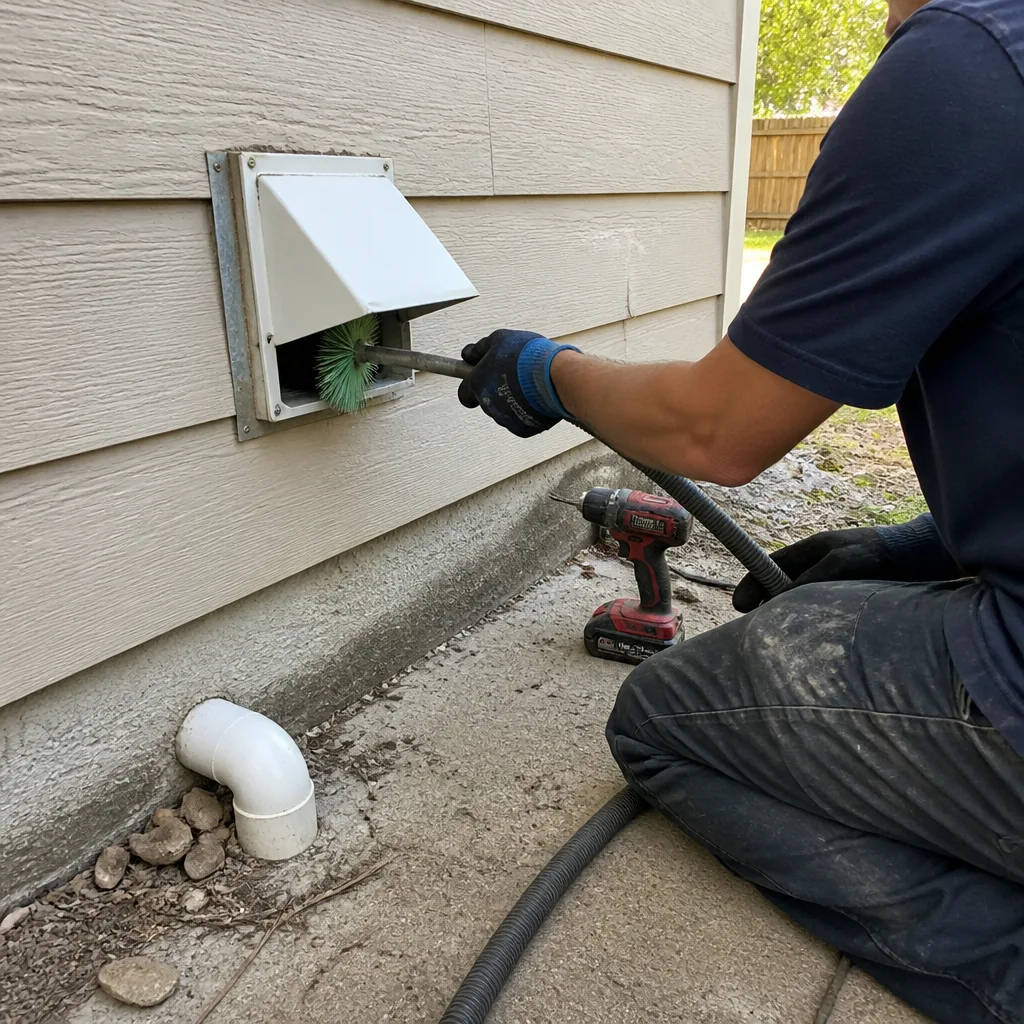
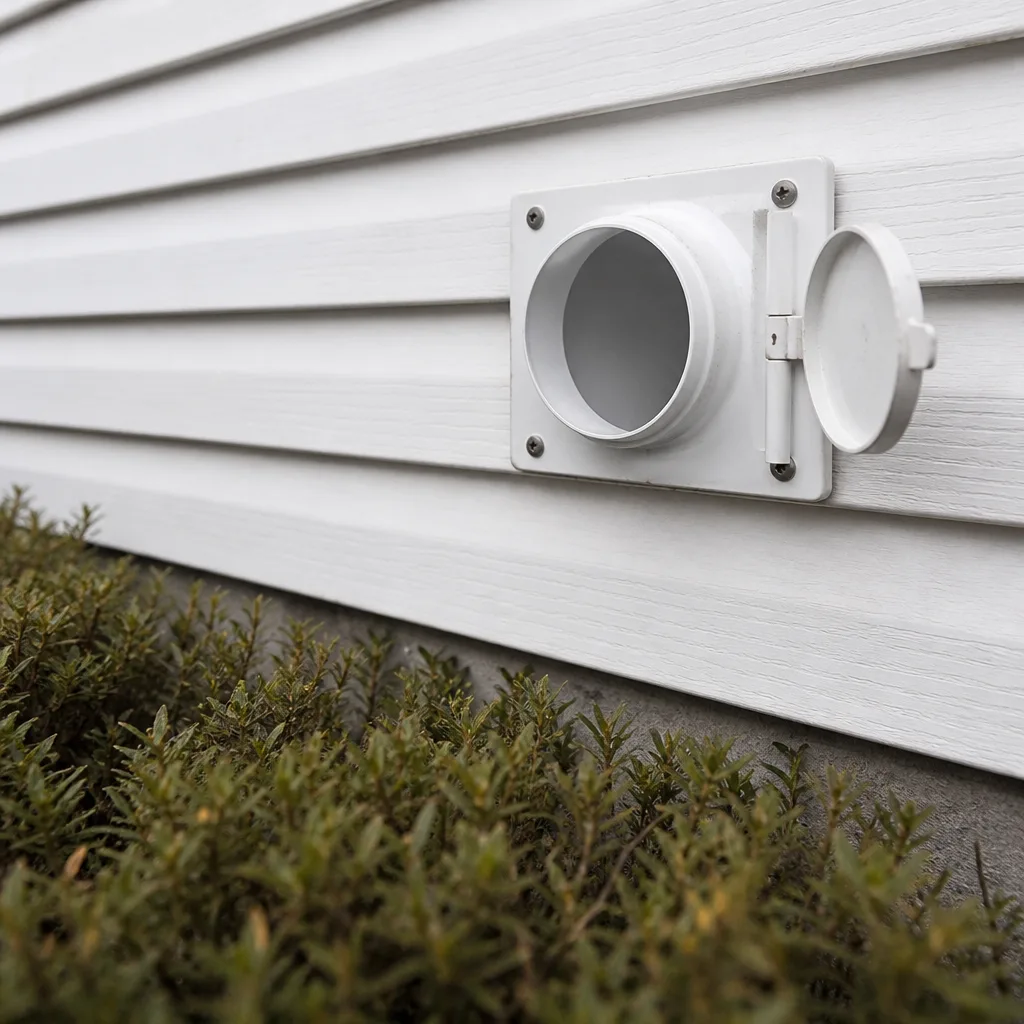 Dryer vent cleaning
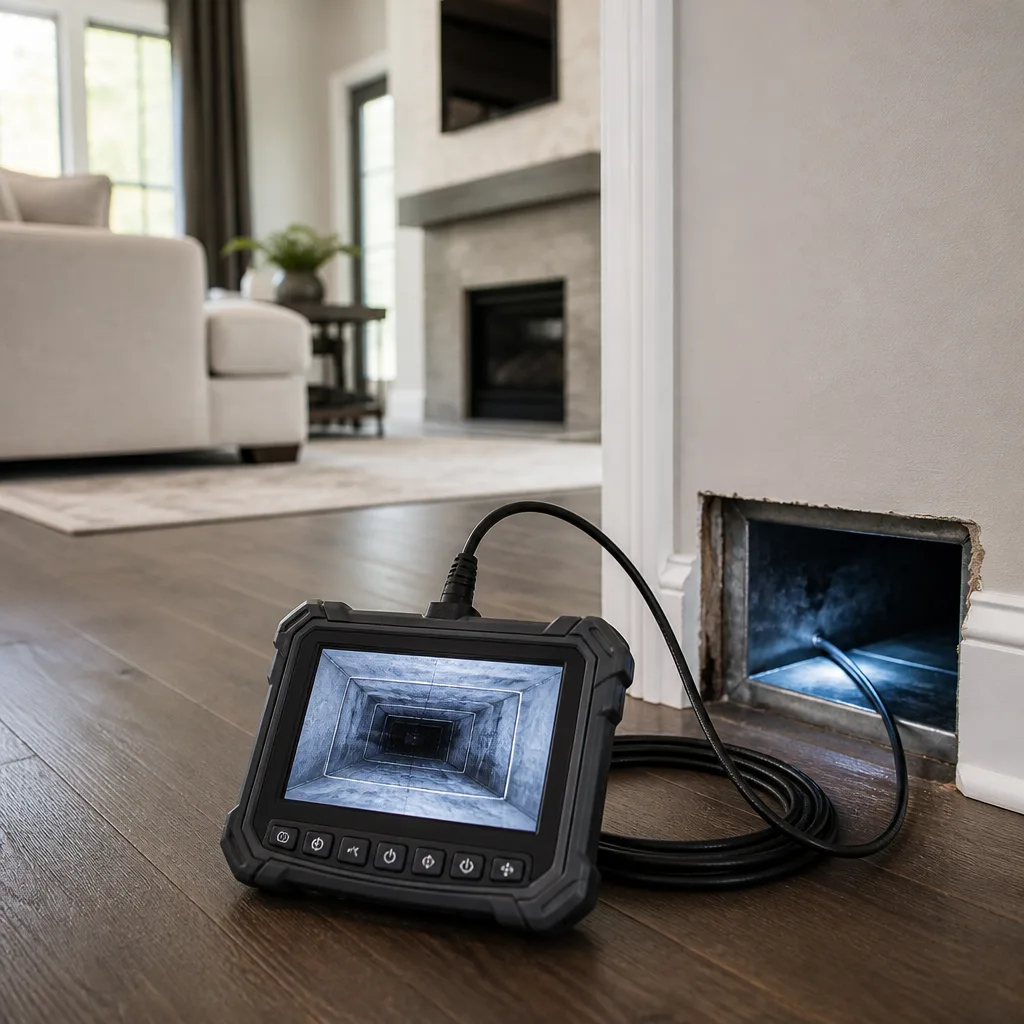 Camera inspection
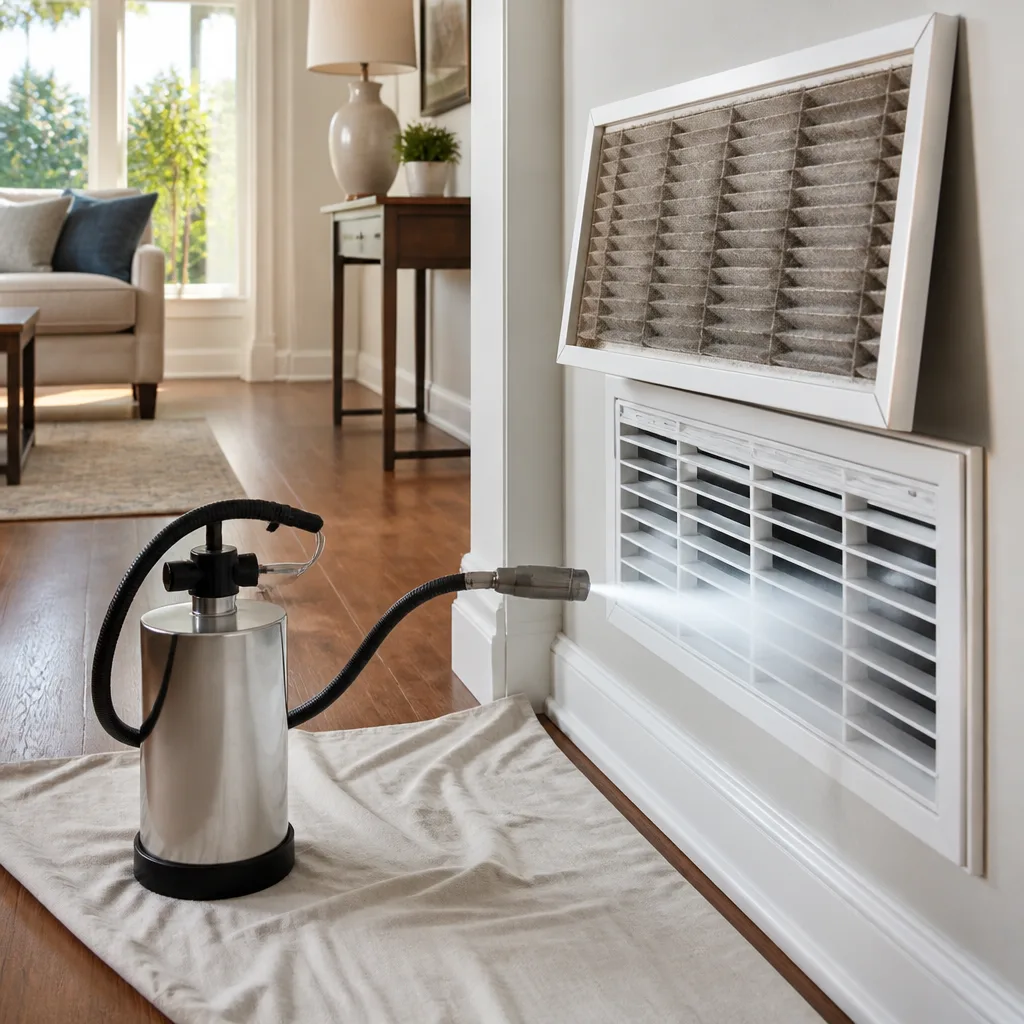 Sanitizing & deodorizing
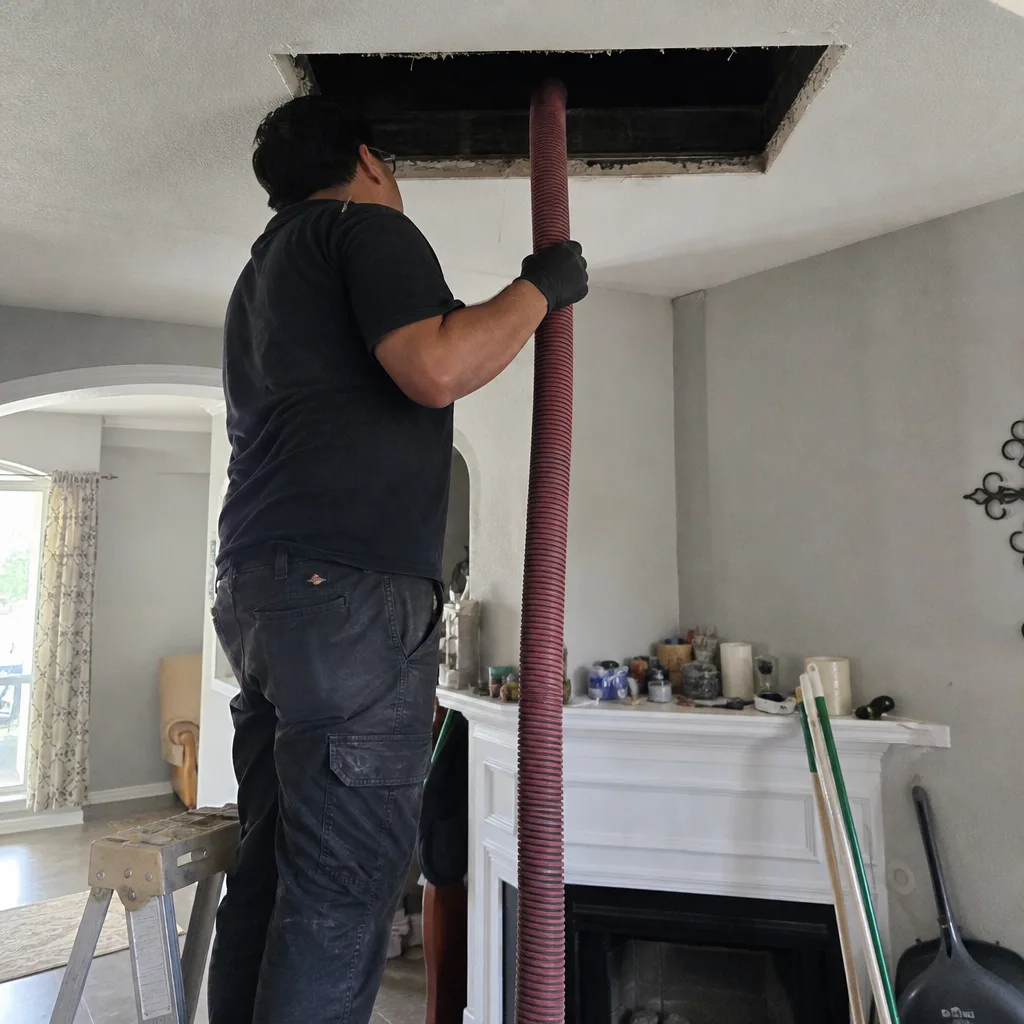
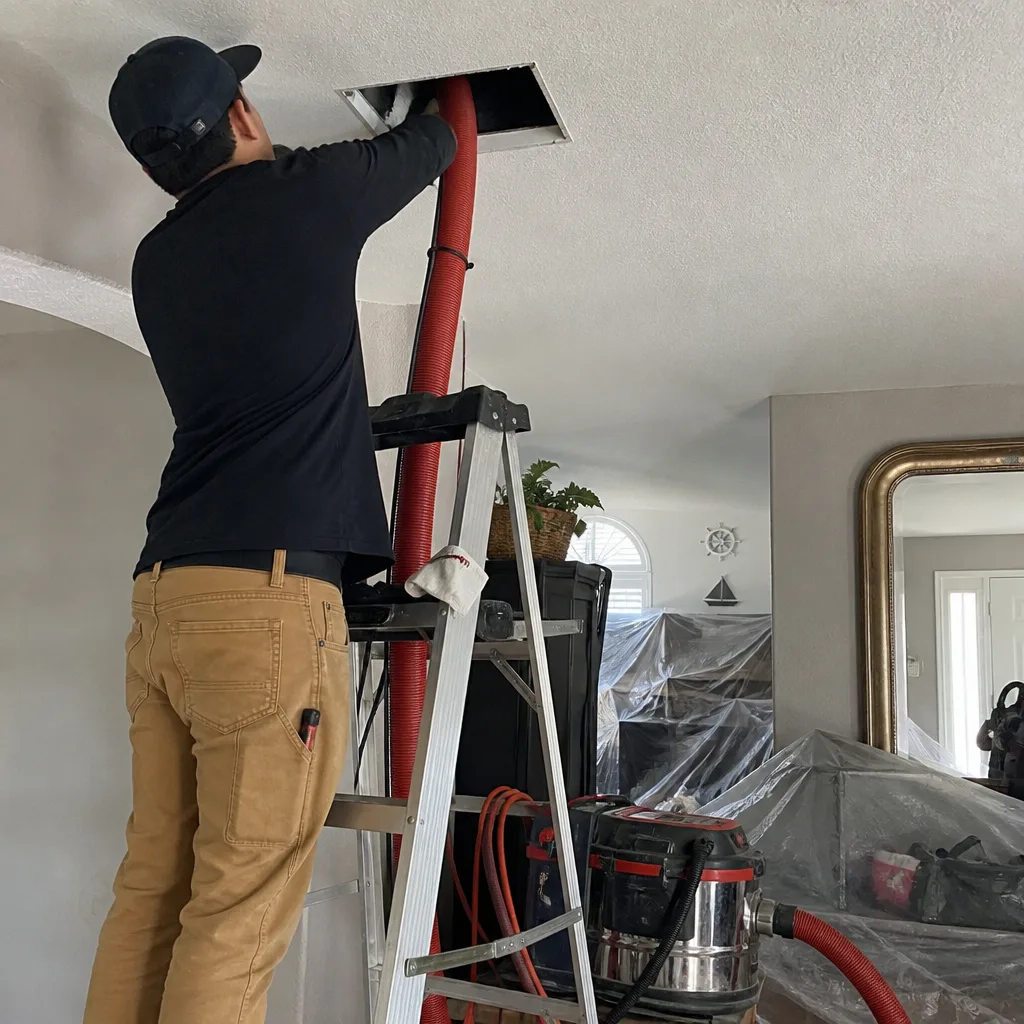
Whole-system duct and dryer vent check with before-and-after photos - you see exactly what came out of your vents
That "$99 whole-house special" is a bait ad - the real number appears once they are in your hallway, or the "clean" is a shop-vac at the register. We photograph the inside of your ducts before and after instead.
Nikro Duct Sealing & Repair: The Austin Owner’s Guide
If you’re running a Nikro negative-air machine or HEPA vacuum for duct sealing and repair work, and it’s suddenly lost suction, smoking from the motor, or tripping its breaker, you need this page. We stock Nikro-compatible replacement parts in Austin and can typically have your unit back in rotation the same day you call. Most Nikro duct sealing and repair jobs we handle in Austin run between $240 and $680 installed, depending on whether we’re replacing a filter gasket, a motor capacitor, or a full blower assembly. Here’s the straight picture of what fails, why it fails, and what it costs to fix it right.
Most owners discover a failing part the hard way: the HEPA vacuum that used to hold a door against its frame suddenly can’t keep a trash bag stuck to the intake. That’s a classic Nikro symptom. The machine still runs, but it’s not pulling the static pressure it was built for. In Austin’s humidity, we see this more often than drier markets, because damp dust loads filters faster and makes blowers work harder.
Which Nikro Models This Applies To
Nikro builds its negative-air and HEPA vacuum line around a few core platforms, and most share interchangeable filter and gasket components. The common machines we service in the Austin area include the Nikro HEPA vac series (the smaller wheeled units used for residential duct sealing), the negative-air machines contractors run during remediation, and the larger stationary units that pair with containment setups. If you look at the metal data plate on the back or side of your unit, you’ll find the model prefix and serial series. The model prefix is what matters for ordering: the blower housing, HEPA filter frame, and gasket kit all key off that prefix.
One thing to know about Nikro replacement parts: the HEPA filter gaskets are not universal. A gasket cut for a 14-inch round filter housing will not seat correctly on a square-frame unit, and the leak you’ll get from forcing it is exactly the opposite of what a negative-air machine is supposed to do. That’s the number one compatibility gotcha we run into on service calls. When it comes to OEM versus aftermarket, we prefer OEM Nikro filter elements and gaskets for anything that touches the HEPA seal, because aftermarket filter media thickness varies enough to break the seal under load. For mechanical parts like capacitors, switches, and casters, we’ll use quality aftermarket equivalents when they match spec and save you money.
Styles & brands we work with
Signs Your Nikro Duct Sealing & Repair Is Failing
- Loss of static pressure. The unit runs, but it won’t hold a piece of paper against the intake. This almost always means a blown HEPA gasket or a clogged primary filter, not the motor itself. We check the gasket first on every Nikro call in Austin.
- Motor hums but won’t spin. Classic start-capacitor failure. The winding gets power, but the motor can’t kick over. It’s a $45 to $90 part, and it fails more often in Austin summers when units run hot for hours with no cooldown cycle.
- Breaker trips immediately on startup. This points to a shorted motor winding or a seized blower bearing. Run the machine again and you risk fire, not just downtime. Kill the breaker and call us.
- Grinding or squealing from the blower housing. Bearings are dry or shot. The sound usually starts intermittent, then becomes constant. Replacing bearings before the shaft scores saves you a full blower assembly.
- Visible dust blowing OUT of the exhaust. The HEPA filter has a hole or the seal has failed completely. That dust isn’t just annoying; it’s the whole reason the machine exists. Shut it down until we can replace the element.
See the difference
 Before
 After
After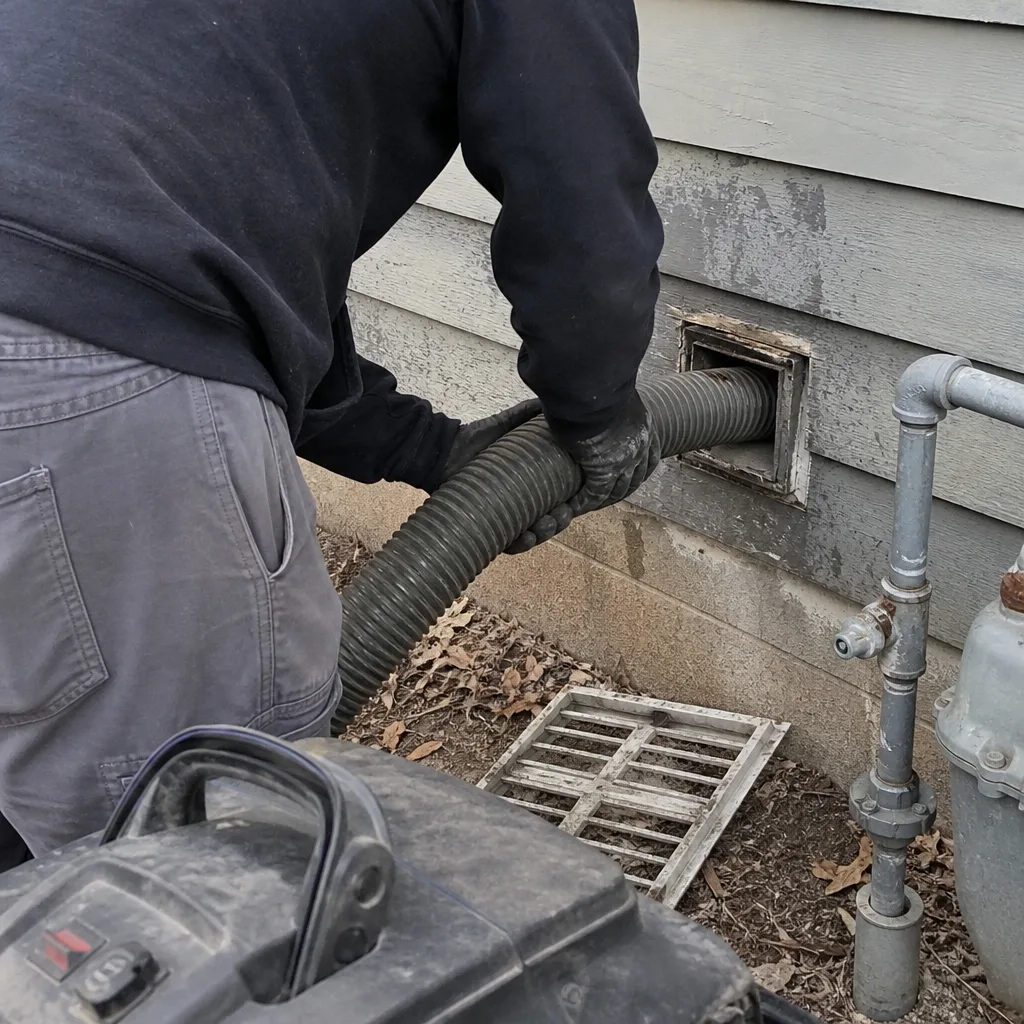 Before
 After
After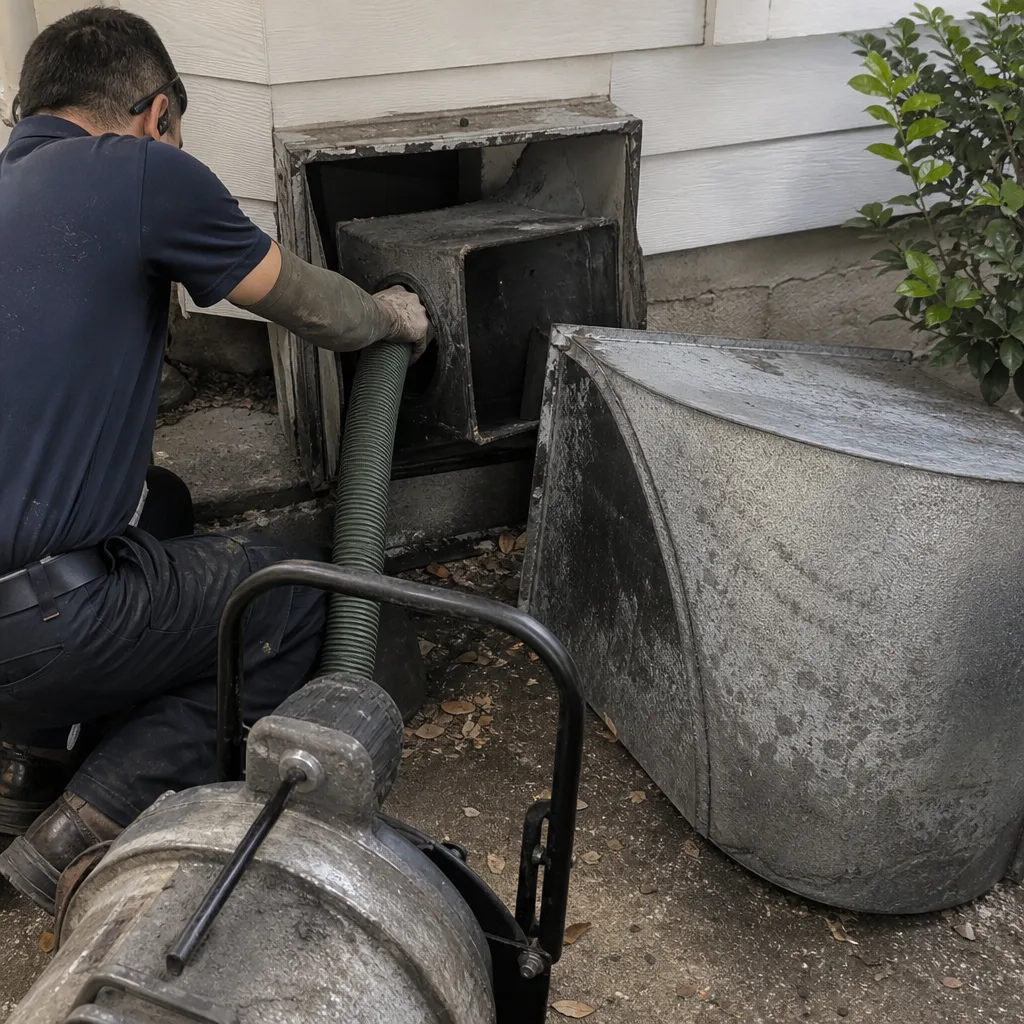 Before
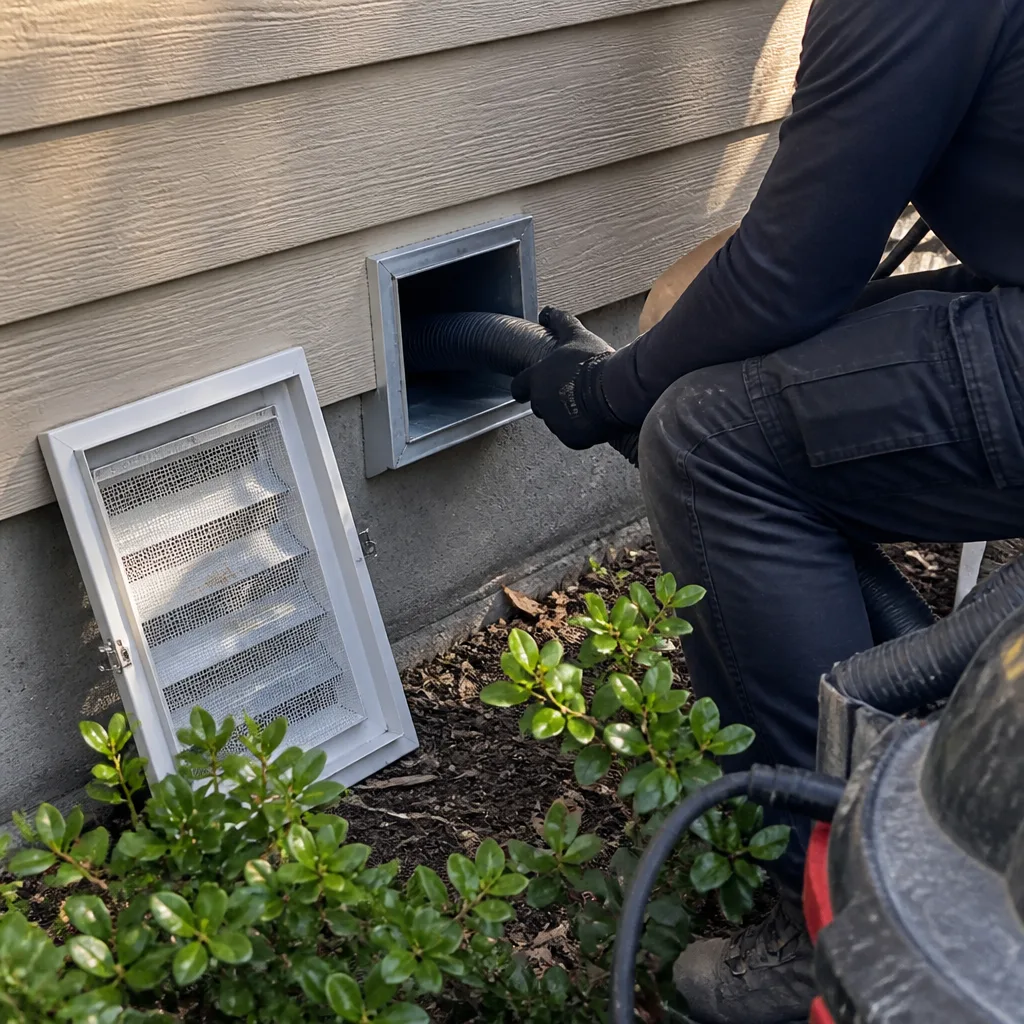 After
AfterReplacement Cost & What’s Included
For Austin homeowners and contractors running Nikro equipment, here’s what we typically see on the invoice:
- Filter gasket replacement: $70 – $140 installed. We replace the gasket, re-seat the filter, and test the seal with a smoke pencil before we leave.
- Start capacitor or switch replacement: $110 – $190 installed. Part, labor, and a test cycle to confirm the motor kicks over cleanly.
- Blower motor replacement: $280 – $480 installed. This includes pulling the old motor, mounting the new one, and re-balancing the blower wheel.
- Full HEPA filter element replacement: $190 – $380 depending on the filter size and series. We stock the common sizes on the truck.
- Full blower assembly replacement: $420 – $680 installed. When the housing is cracked or the shaft is scored, this is the honest fix.
Every Nikro repair we do in Austin comes with the same standing terms: a written price before we touch a single fastener, a written guarantee on the repair, and a free second visit if the repair fails within the 365-Day Done Right Promise window. That’s not a promotion. It’s how every Cardinal Air Duct Austin job works.
DIY or Call Us?
You can safely check two things: confirm the breaker hasn’t tripped, and check the primary filter for obvious clogging. That’s it. The moment you’re removing the blower housing, you’re dealing with a high-tension belt, a capacitor that holds voltage even when unplugged, and a HEPA seal that needs a smoke-pencil test to verify. A capacitor can knock you on your back, and a botched HEPA seal means you’re blowing contaminated air through your work area. Omar Haddad and our crew have rebuilt enough Nikro units to know which corner to tap and which wire to pull. If you’re not sure, call (940) 283-6595 and we’ll walk you through it over the phone before you unscrew anything.
FAQs
In Austin’s humidity, a Nikro HEPA filter that sees regular residential duct work lasts 9 to 14 months before the pressure drop gets bad enough to hurt performance. Dry-climate owners get longer. If you’re fogging sealant or running heavy particulate loads, plan on 6 to 8 months. We track filter hours on every unit we service and can tell you when you’re on the edge. Call (940) 283-6595 for a filter check.
Sometimes. Start capacitors, switches, and bearings can be replaced individually, and that’s usually the cheaper fix. If the winding is shorted or the armature is burned, a repair doesn’t make sense; you’d be paying labor to fix a motor that’ll fail again. We’ll tell you which situation you’re in before we quote anything.
Most Nikro duct sealing and repair jobs we do in Austin run 45 to 90 minutes on-site. Gasket replacements and capacitor swaps are on the fast end. A full blower assembly swap might push two hours. We give you the window before we arrive, and you get a live trackable arrival time through The Relay Standard.
We stock the common Nikro parts on the truck: HEPA filter gaskets, start capacitors, motor switches, belt kits, and the standard filter element sizes. Oddball series-specific parts may need a day or two. We also keep parts for Lennox, Trane, and Carrier on hand when the job crosses over into the HVAC side. Call (940) 283-6595 with your model prefix and serial series, and we’ll tell you exactly what’s in stock before you book.
If your Nikro unit is down and you’re losing money or breathing dust, call (940) 283-6595. We’ll get the right part matched to your model, hand you a written price before any work starts, and have you back in service without the runaround. Clean air isn’t a luxury – it’s just what your system was built to deliver.
Written by Omar Haddad, Owner, Cardinal Air Duct Austin at Cardinal Air Duct Austin, serving Austin and nearby areas.