
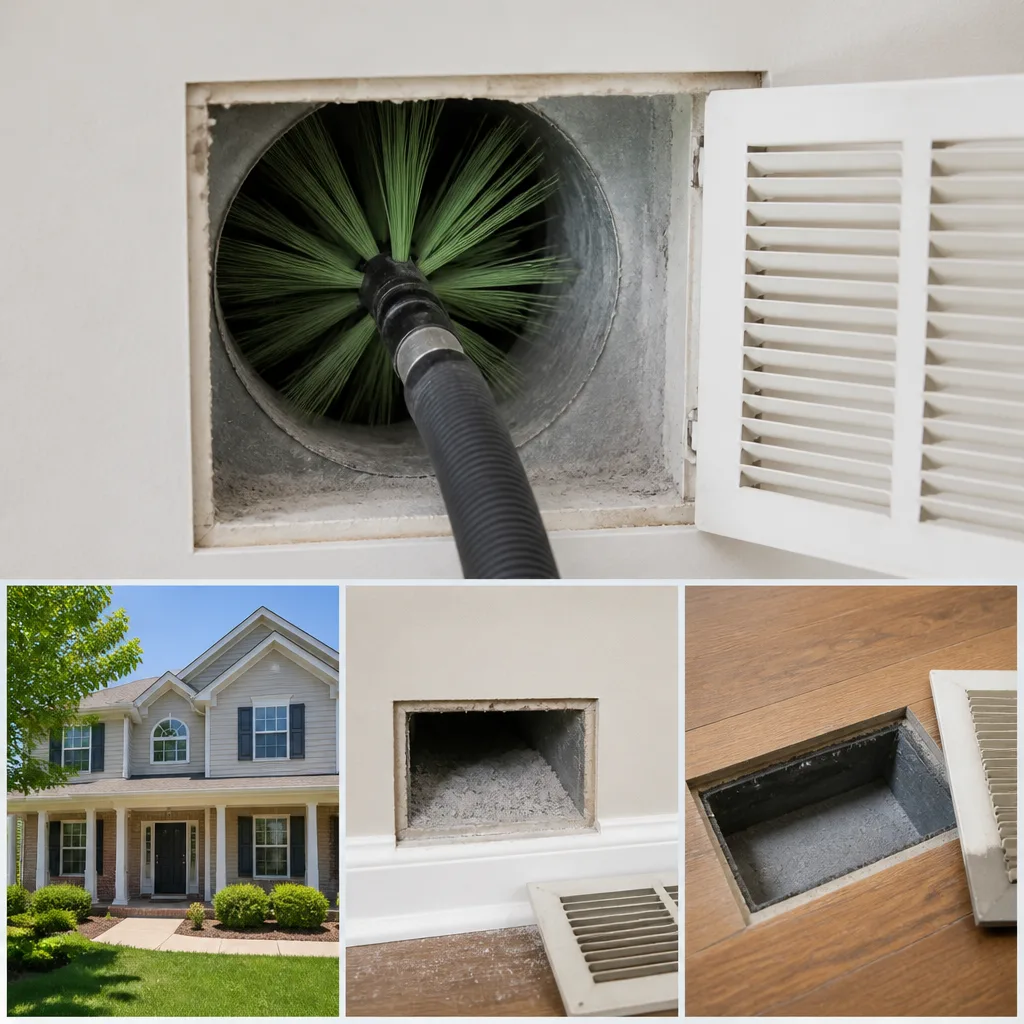
 Whole-home duct cleaning
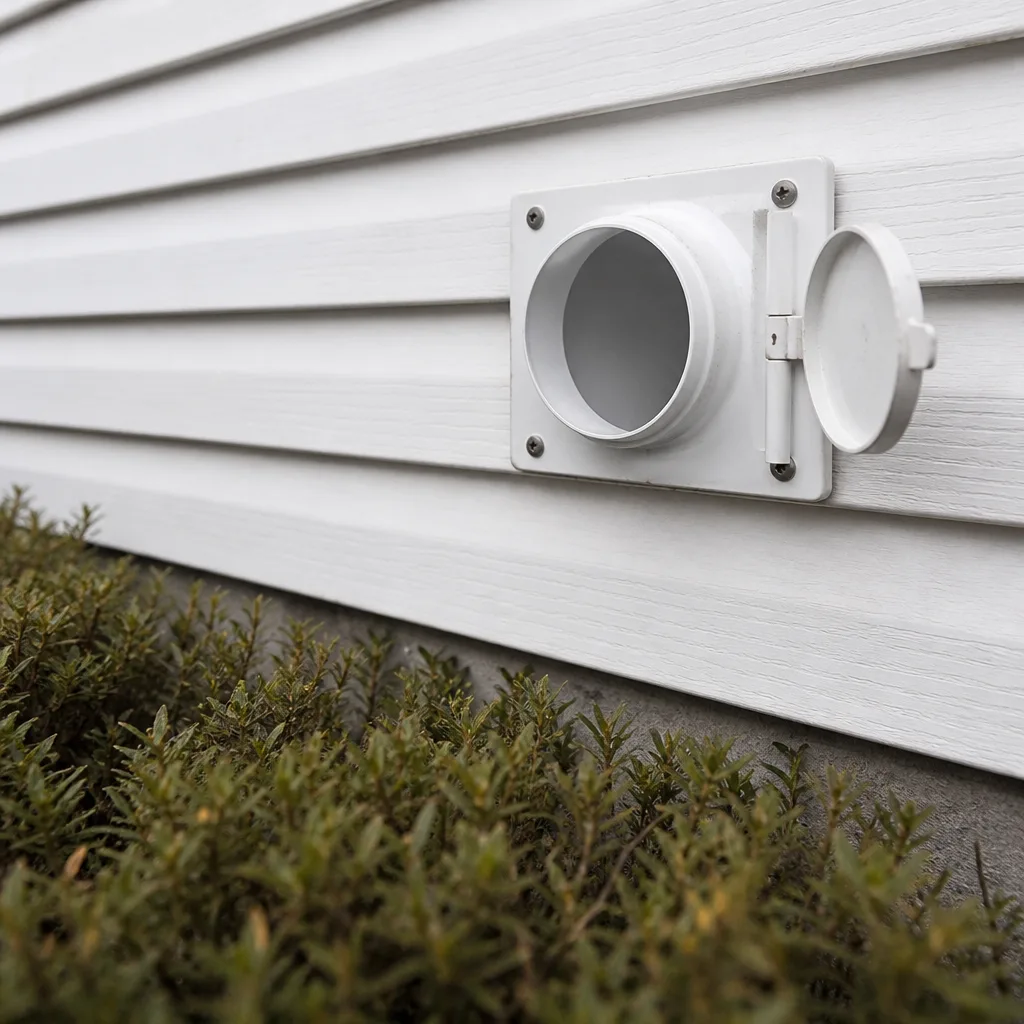 Dryer vent cleaning
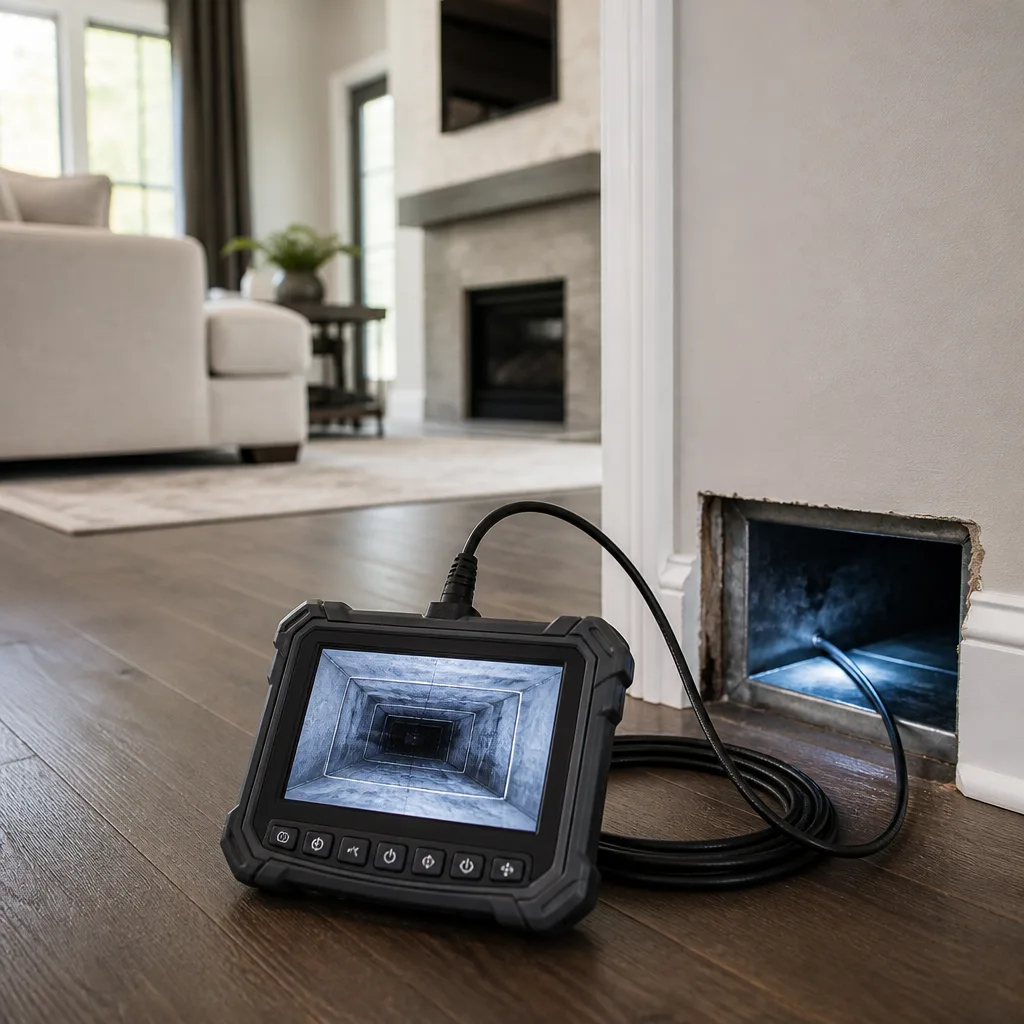 Camera inspection
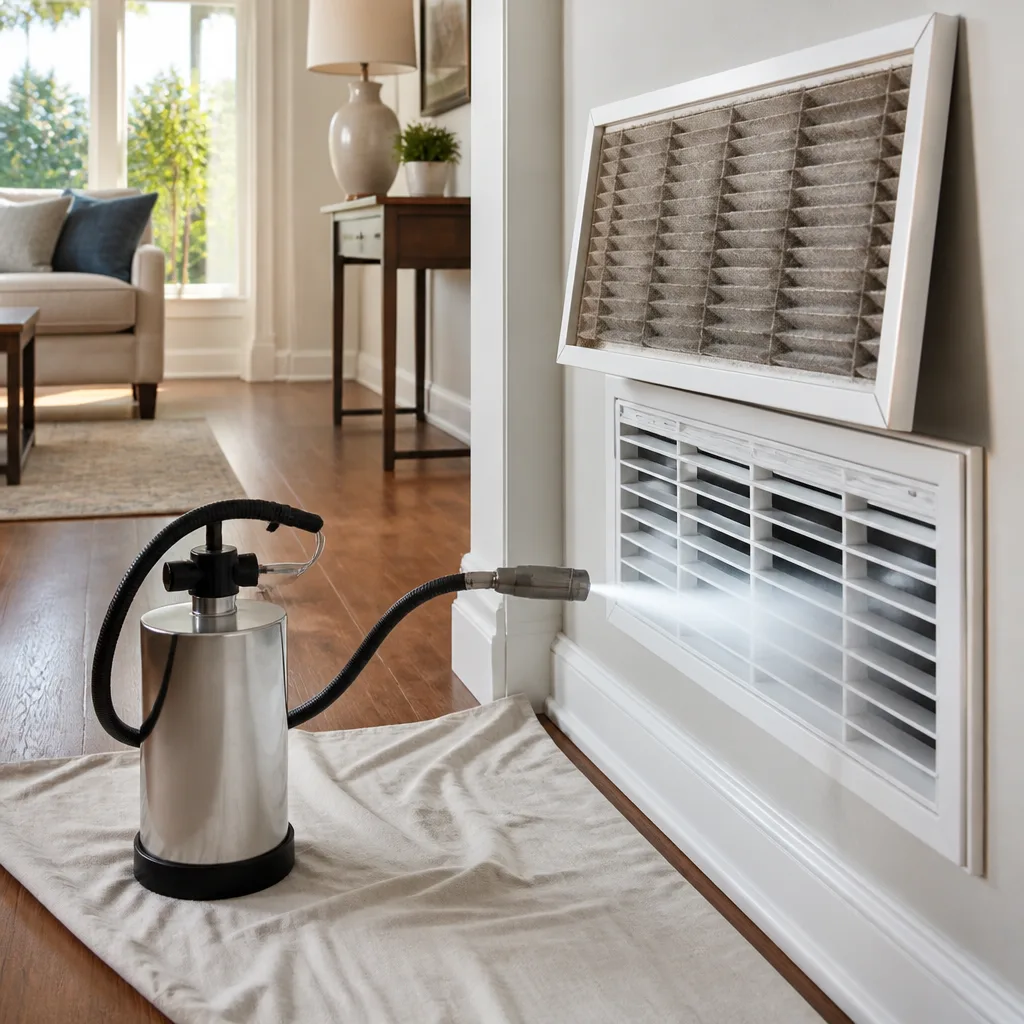 Sanitizing & deodorizing
Whole-system duct and dryer vent check with before-and-after photos - you see exactly what came out of your vents
That "$99 whole-house special" is a bait ad - the real number appears once they are in your hallway, or the "clean" is a shop-vac at the register. We photograph the inside of your ducts before and after instead.
Nikro Coil Cleaning: The Austin Owner’s Guide
If your Nikro coil cleaning system isn’t pulling the grime it used to, we stock the replacement parts and install them across Austin, typically for $175 to $420 installed depending on your unit and what’s worn. Most jobs are finished same-day when we have your model’s parts on the truck, which we usually do. The way most owners find us: the machine runs, but the cleaning head isn’t spraying or the vac pressure drops hard mid-job.
Nikro is a brand we run ourselves, so we know the equipment from the operator’s side, not just a parts diagram. That matters here because coil cleaning components fail in sequence – a pump seal goes, then the spray pattern gets weak, then you’re fighting the machine instead of cleaning the coil. Omar Haddad and our techs have pulled apart enough Nikro units in Austin to know exactly where the failures hide.
Which Nikro Models This Applies To
We service and stock parts for the Nikro coil cleaning lines most common in Austin: the CC-series portable coil cleaners and the larger cart-mounted units used on commercial jobs. The easiest way to identify your model is the data plate on the frame or the pump housing – it lists the model number and the pump’s GPM (gallons per minute) and PSI rating. Nikro uses a few different pump configurations across the same housing style, and that pump rating is the compatibility gotcha. A CC-200 pump won’t swap into a CC-300 frame even though the quick-connect fittings look identical. We match by the plate, not by eye.
Information every Nikro owner in Austin should know: coil cleaning pumps rated for indoor lab or mild-climate use wear substantially faster in Central Texas heat. Austin summers push garage and truck-box temperatures past 120°F, and that heat degrades pump seals and chemical-feed O-rings faster than the published service intervals suggest. We typically see Nikro coil cleaner pump pressure loss 18 to 24 months into service in Austin conditions, versus the 3-year average Nikro lists. It’s not a defect; it’s the climate. We keep a broader stock of pump rebuild kits, seals, and spray wands in our Austin truck than most suppliers because we know this market’s failure pattern.
On the OEM-versus-aftermarket question: for critical pump internals we recommend genuine Nikro parts. We’ve seen aftermarket seal kits that fit but lose 15 to 20% of rated PSI inside a month. For wands, hoses, and quick-connects, quality aftermarket equivalents from manufacturers like Spraying Systems hold up fine and cost 30 to 40% less than the Nikro-branded version. We’ll tell you which line item is which before we order anything.
A note on who we are: Cardinal Air Duct Austin is an independent service provider, not affiliated with Nikro or the manufacturer. We’re just Austin techs who run the equipment and know how to fix it.
Styles & brands we work with
Signs Your Nikro Coil Cleaning Is Failing
Here’s what we hear most from Austin owners before they call us. If you’re seeing any of these, the clock is already ticking on the next component in line.
- Weak or uneven spray pattern. The pump is losing pressure, usually from a worn impeller or a seal leaking internally. You’ll notice the cleaning solution dribbles instead of fanning across the coil. Left alone, the pump works harder and fails fully within weeks.
- Chemical smell but no visible spray. The chemical injector O-rings are cracked, common in Austin’s heat. The chemical is leaking into the housing instead of mixing at the nozzle. That’s a cheap fix if caught early, a pump replacement if ignored.
- Loud knocking or vibration from the pump housing. Cavitation, which means air is entering the intake. It’s usually a cracked barb fitting or a loose hose clamp at the pickup. In Austin dust conditions, we also see clogged intake screens causing the same knock.
- Circuit breaker tripping when the unit runs. A failing pump motor draws more amps than it should, or a chemical leak has worked into the wiring housing. Electrical problems on Nikro units are deceptively easy to patch and genuinely dangerous to leave. This one we always tell people to stop running the unit until we look.
- Machine runs but coil isn’t clean after a normal pass. This is the one that sneaks up. The pump may be fine, but the wand tip is worn over-sized, dropping effective pressure. Austin’s hard water accelerates tip erosion. A $14 tip restores the cleaning power.
See the difference
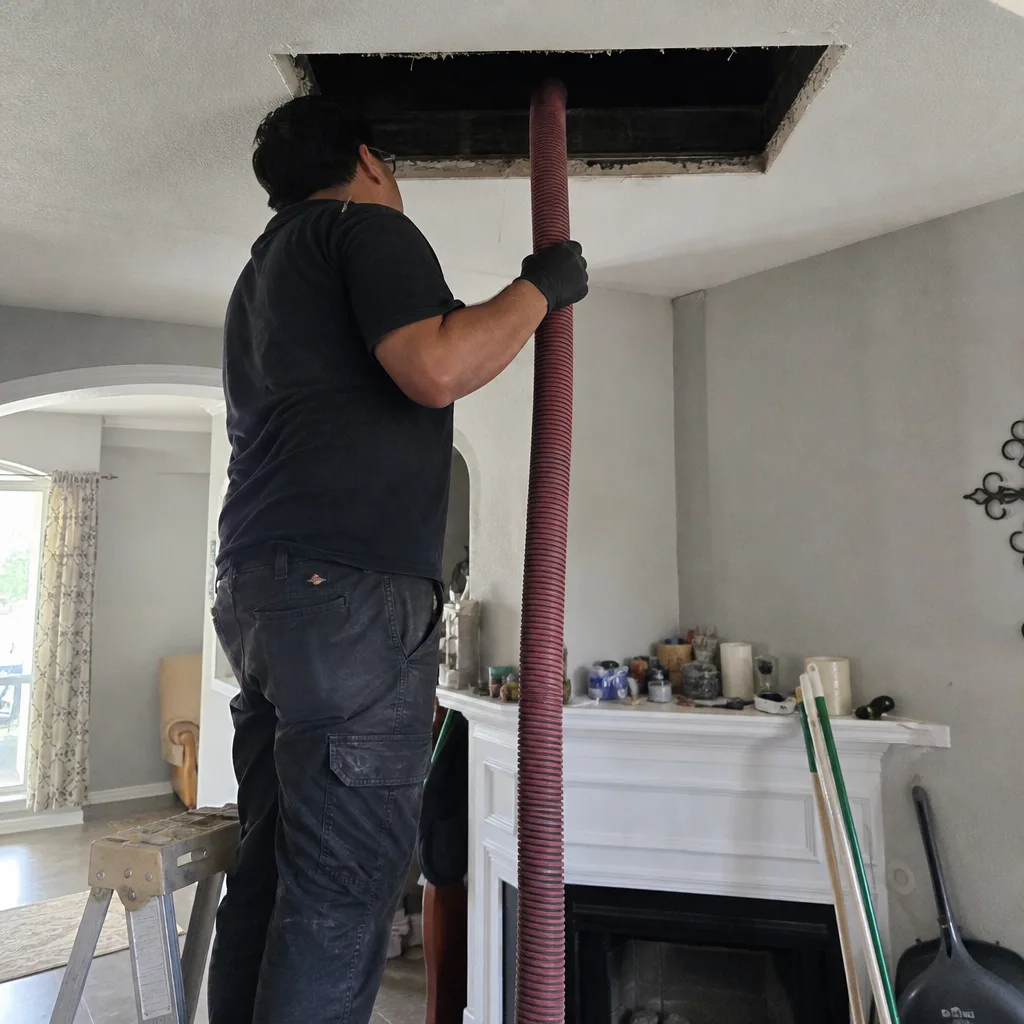 Before
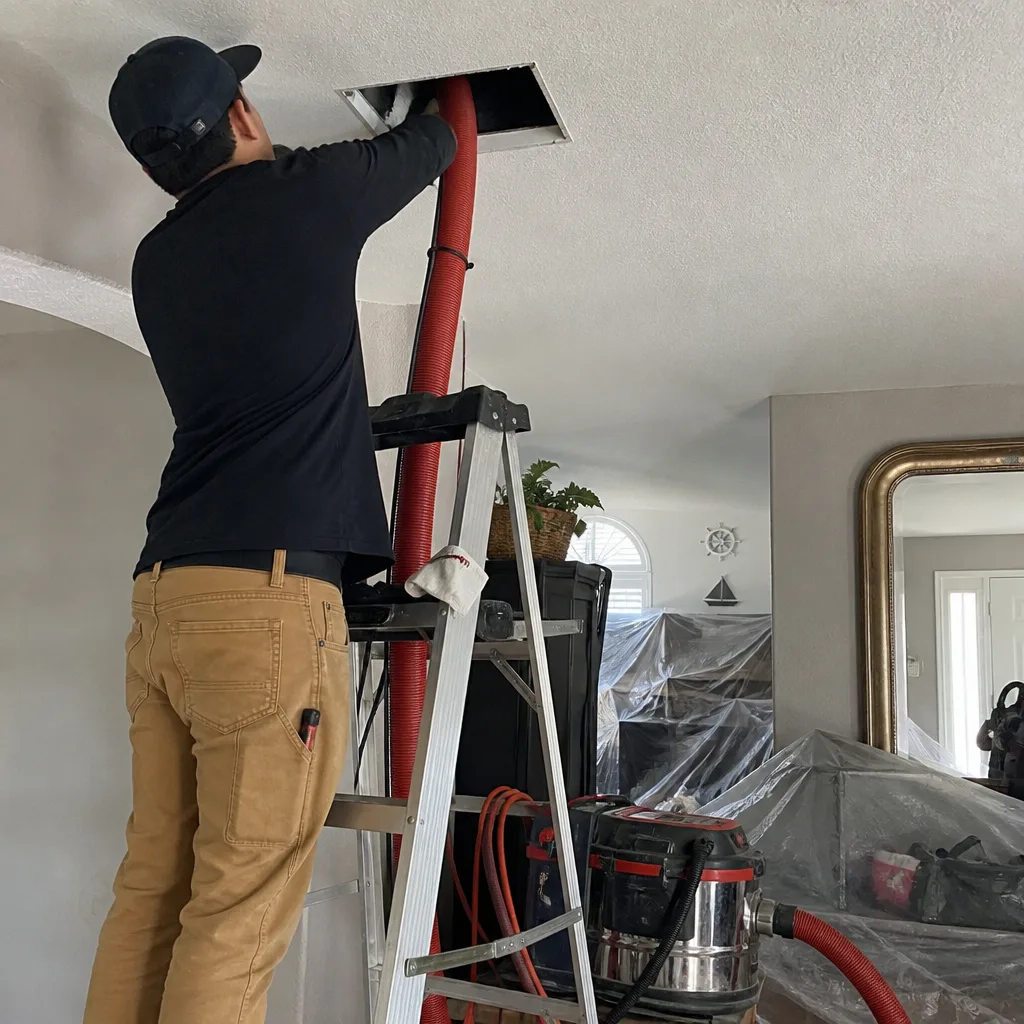 After
After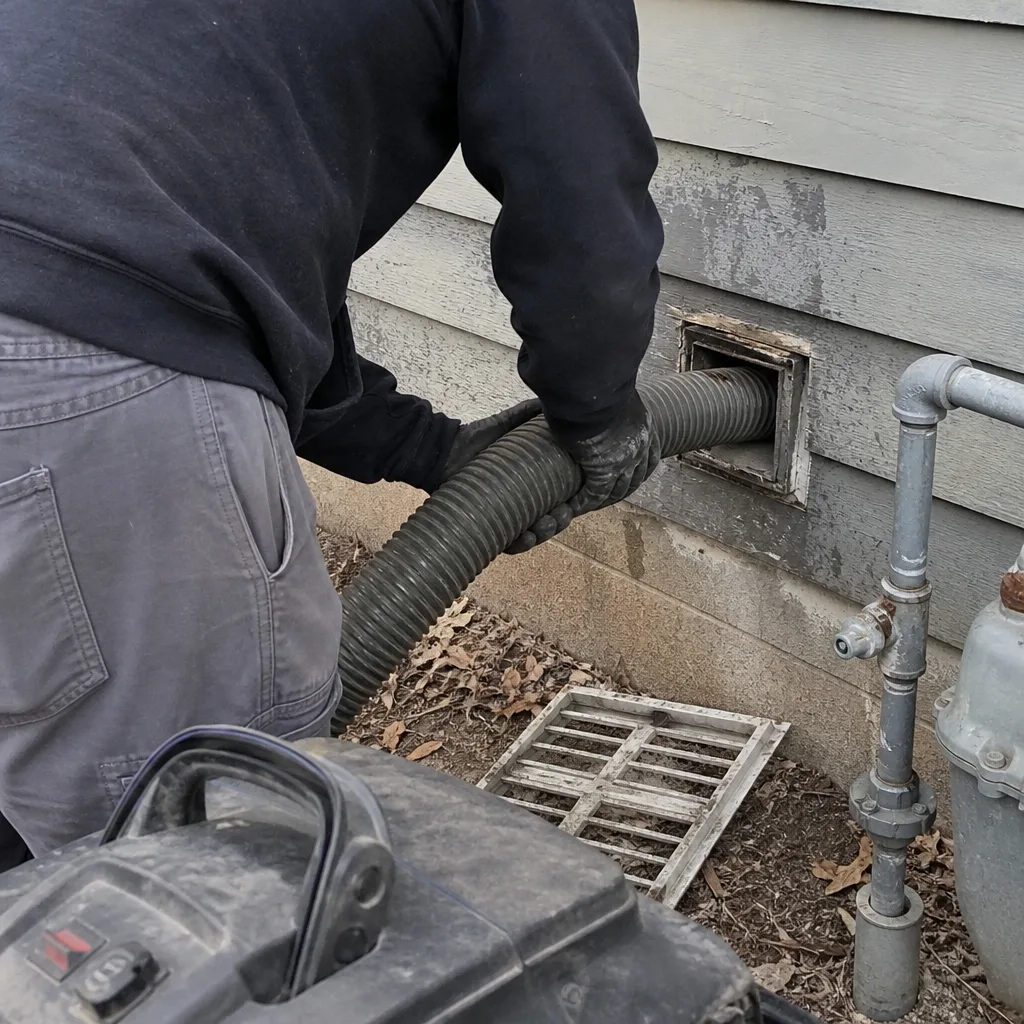 Before
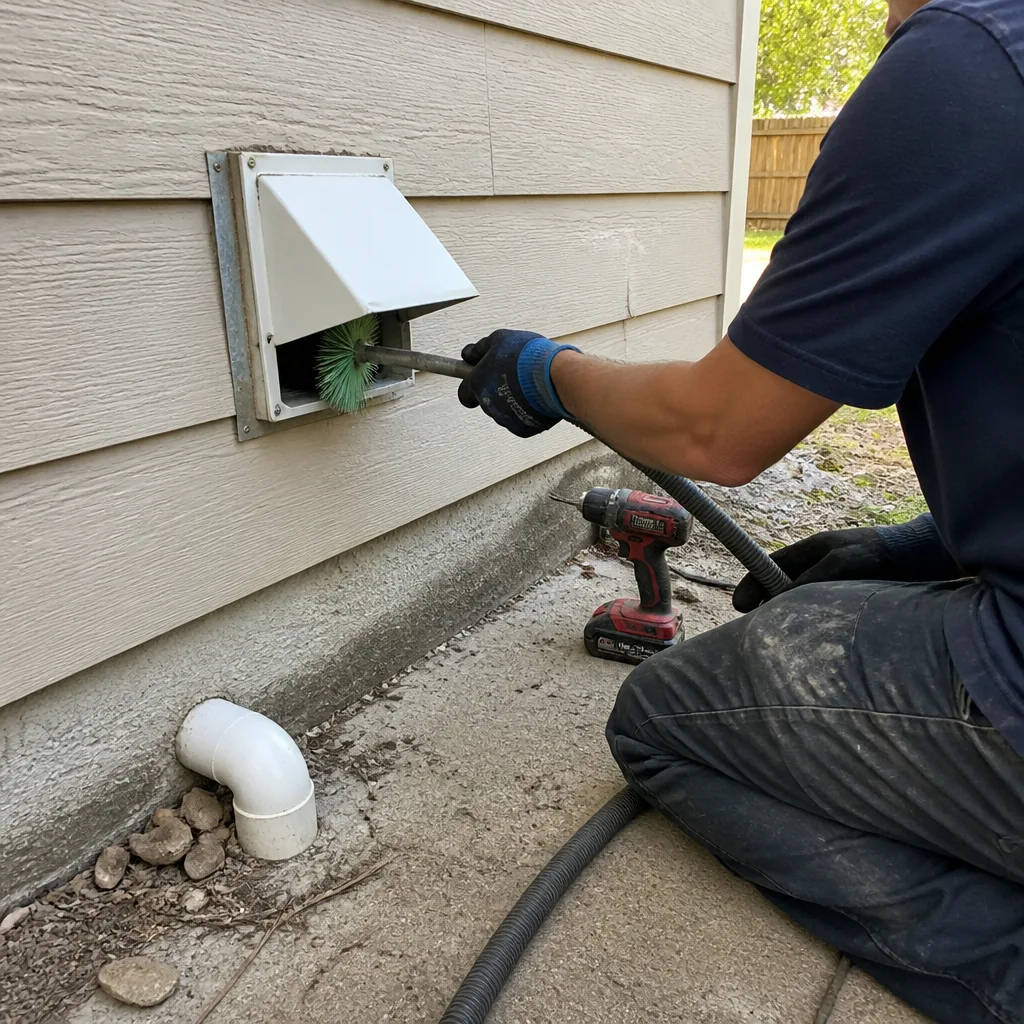 After
After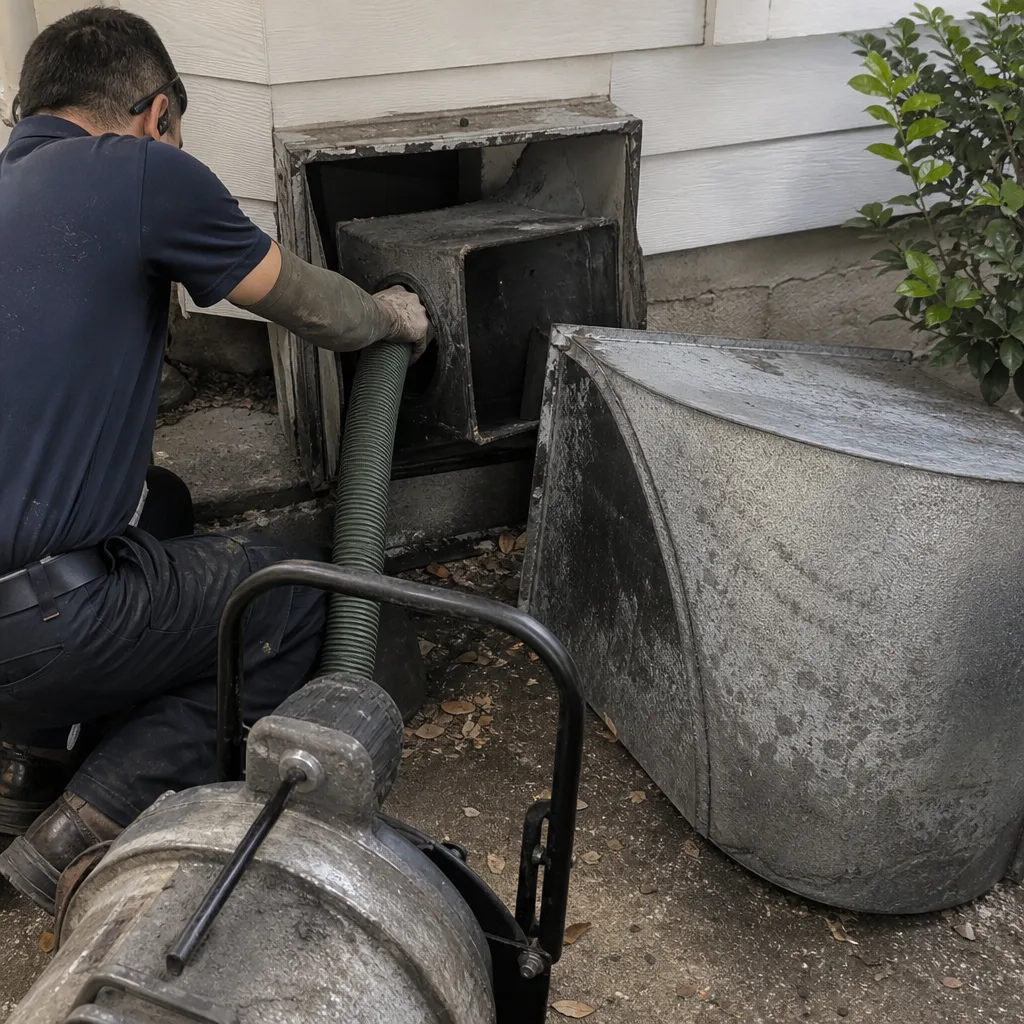 Before
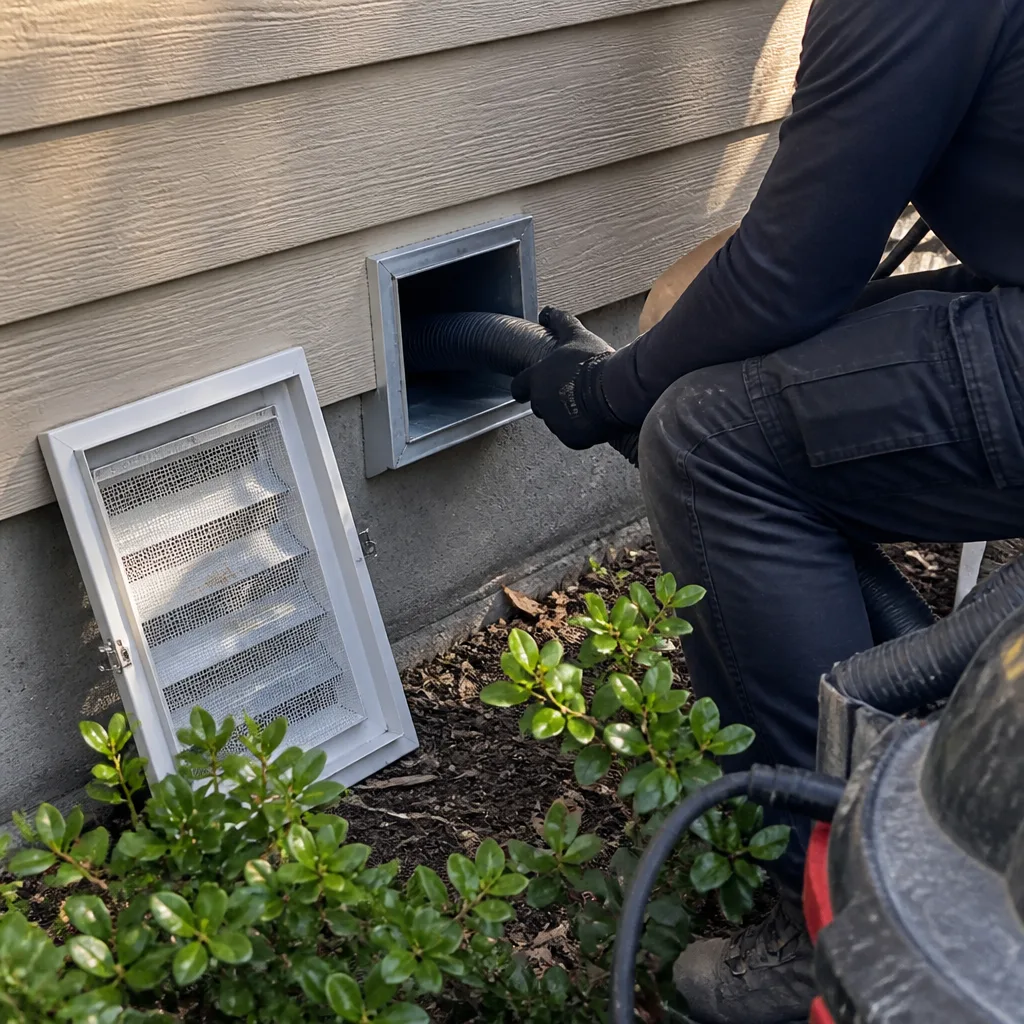 After
AfterReplacement Cost & What’s Included
In Austin, most Nikro coil cleaning pump rebuilds and replacements run $175 to $420 installed, with the spread driven by which pump series your unit has and whether we’re rebuilding or replacing. A pump seal kit with labor typically lands around $175 to $225. A full pump replacement on a CC-300 line unit runs $350 to $420 with the genuine Nikro part. Wand tips, hoses, and quick-connect replacement are $60 to $120, and we often do those on the same visit when the main failure is pump-related.
You get a written price before we touch a screw, and that price includes the part, labor, and the trip out to you anywhere in Austin. There’s no door-knock renegotiation and no surprise line item. We also back the repair under our 365-Day Done Right Promise: if this repair fails within a year, we return and correct it at no charge, with a second visit that’s free if the fix doesn’t hold. That goes for every Nikro part we install, not just select jobs.
We carry common Nikro coil cleaning parts on the truck: pump seal kits for CC-series units, chemical injector O-ring sets, wand spray tips in multiple sizes, quick-connect fittings, and intake screens. If we’re swapping a full pump, we’ll order the exact model in before the appointment so there’s no second trip.
To get a firm price, call (940) 283-6595 with your Nikro model number from the data plate. We’ll have a range for you in minutes, and the written price before we start.
DIY or Call Us?
You can safely check a few things on your own: the intake screen, the hose clamp tightness at the pickup, and the wand tip for visible wear. Those are tool-light checks with the unit unplugged and the pressure released. If you find a cracked barb fitting or a clogged screen, that’s a fair DIY fix for someone comfortable with basic hand tools. But go further and you’re into pump internals or the motor, and that’s where we tell people to stop. A Nikro pump under pressure can spray chemical concentrate in a tight pattern, and the motor housing carries live current alongside chemical lines that sometimes leak. That combination is not worth a hospital bill over a $30 seal kit.
Most Austin owners call us once they’ve confirmed the unit isn’t just out of solution or suffocation-blocked at the intake. We’ll show up, diagnose it in front of you, and give you the written price before anything comes apart. Call (940) 283-6595 and a live person answers, day or night.
FAQs
In Austin’s heat, expect 18 to 24 months before the pump seals fade enough to notice, versus Nikro’s 3-year average in milder climates. The heat cycle in garages and truck boxes shortens seal life. We rebuild or replace before the impeller itself goes, which doubles the pump’s total life. If your unit is still kicking at 24 months in Austin without a rebuild, you’re ahead of the curve and we’d love to know how you store it.
Most of the time it can be rebuilt with a seal and O-ring kit, which costs less than half of a full pump replacement. The repair-versus-replace call comes down to whether the impeller and housing show scoring from running debris through. We’ll show you the internals and explain what we’re seeing before you commit to either. Call (940) 283-6595 and we’ll schedule a look at your unit.
A pump seal rebuild takes about 90 minutes from start to pressure-test. A full pump swap runs closer to two hours because we flush the lines and verify the chemical injector is drawing correctly before we hand it back. We pressure-test every repair to the unit’s rated PSI and confirm the spray pattern before we pack up.
Yes, we keep CC-series seal kits, O-ring sets, spray tips, quick-connects, and intake screens on our Austin truck. Full pump assemblies we order in advance once we’ve confirmed your model. If you call with the data plate in hand, we’ll know before we head your way whether it’s same-day or next-visit. We also stock parts for Lennox, Trane, and Carrier systems if the coil cleaning work turns up something else.
Clean air isn’t a luxury – it’s just what your system was built to deliver. If your Nikro is down, call (940) 283-6595 for a free estimate and a straight answer on cost.
Written by Omar Haddad, Owner, Cardinal Air Duct Austin at Cardinal Air Duct Austin, serving Austin and nearby areas.