
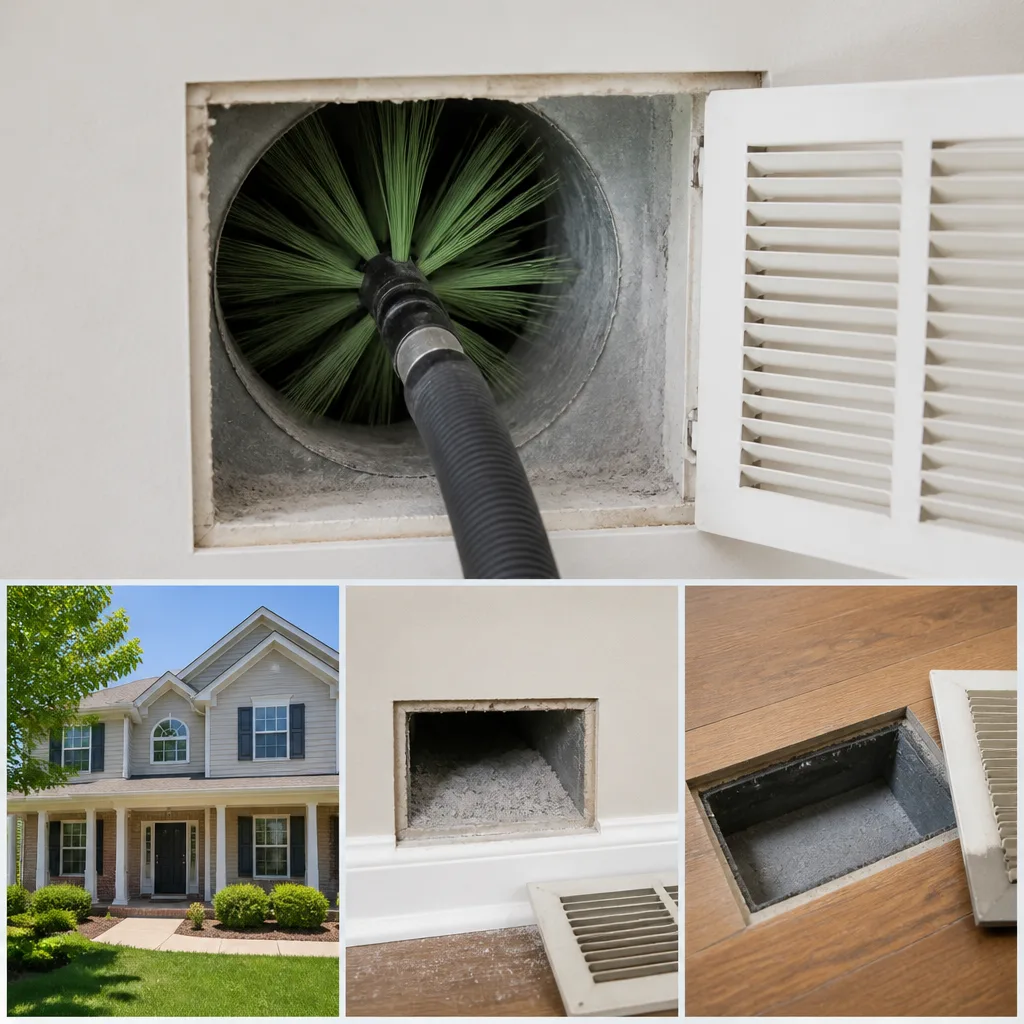
 Whole-home duct cleaning
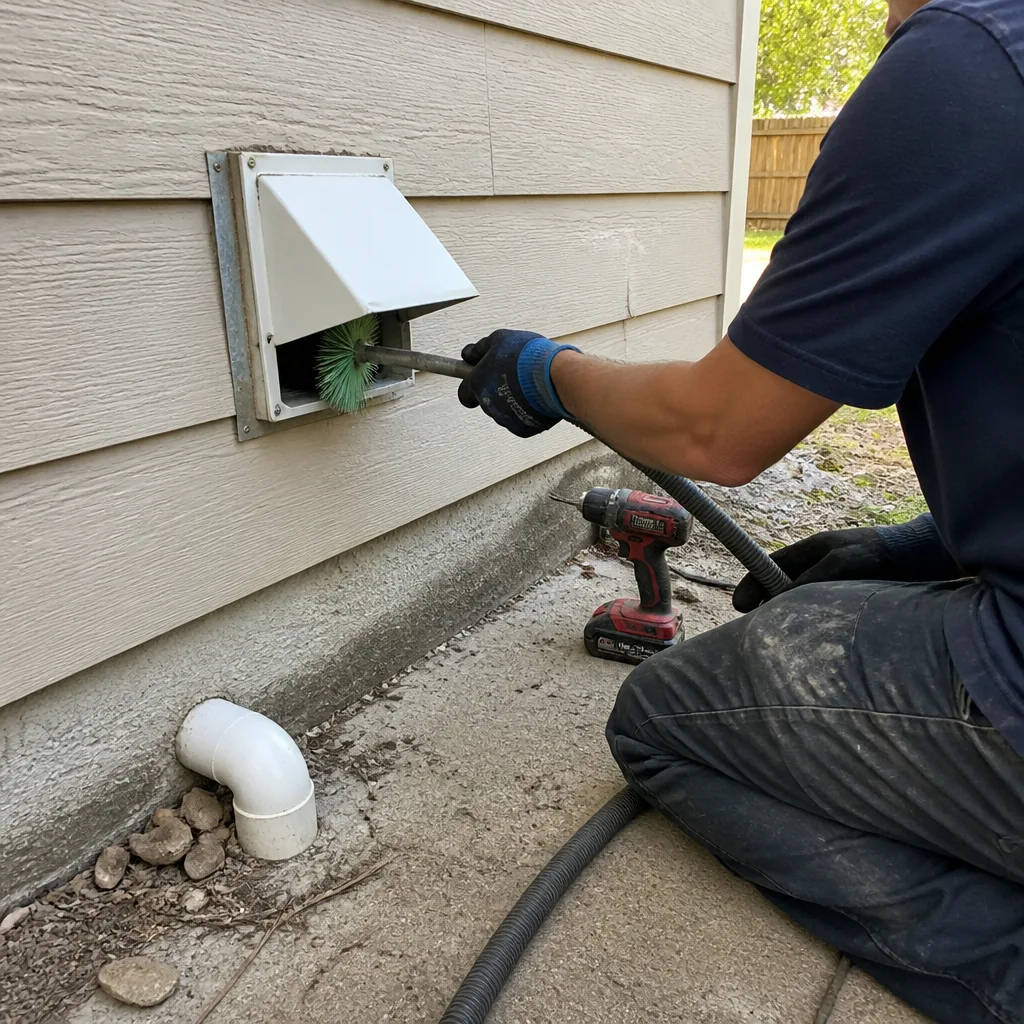
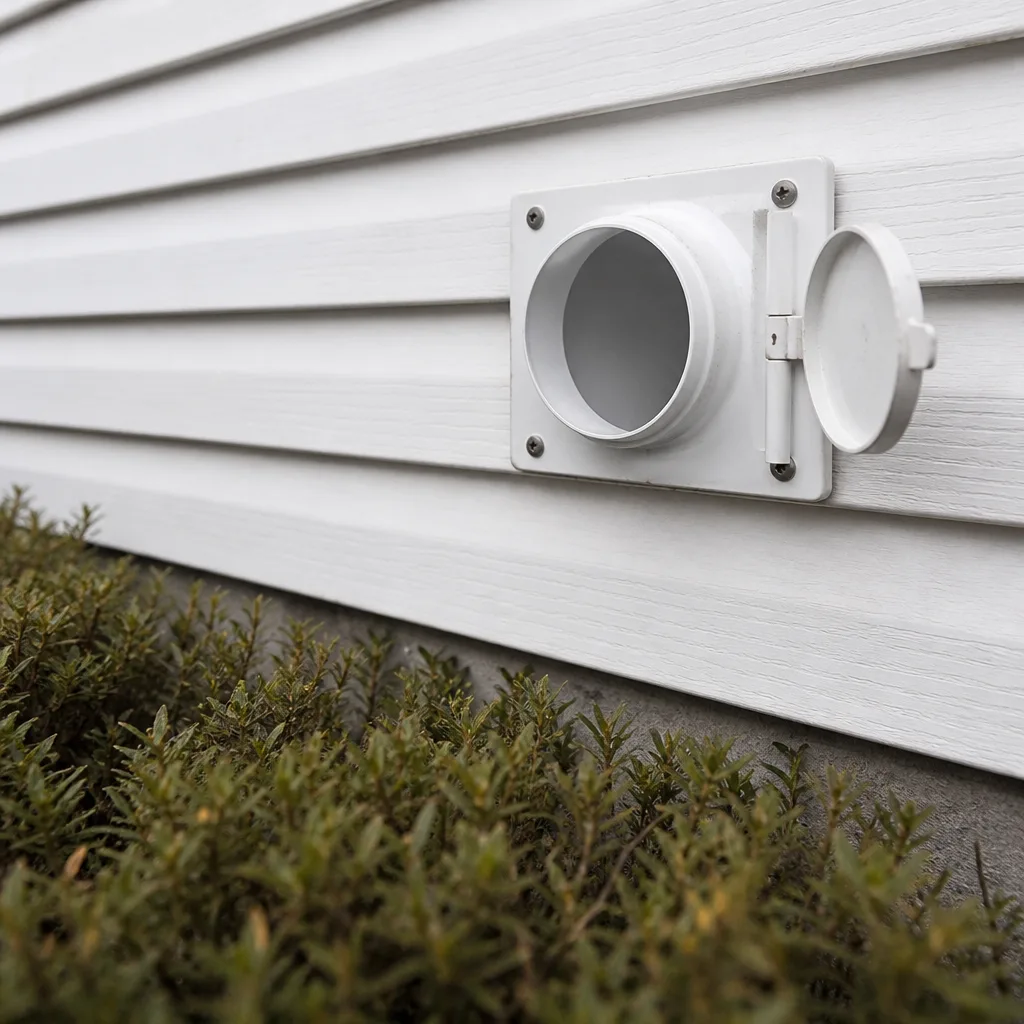 Dryer vent cleaning
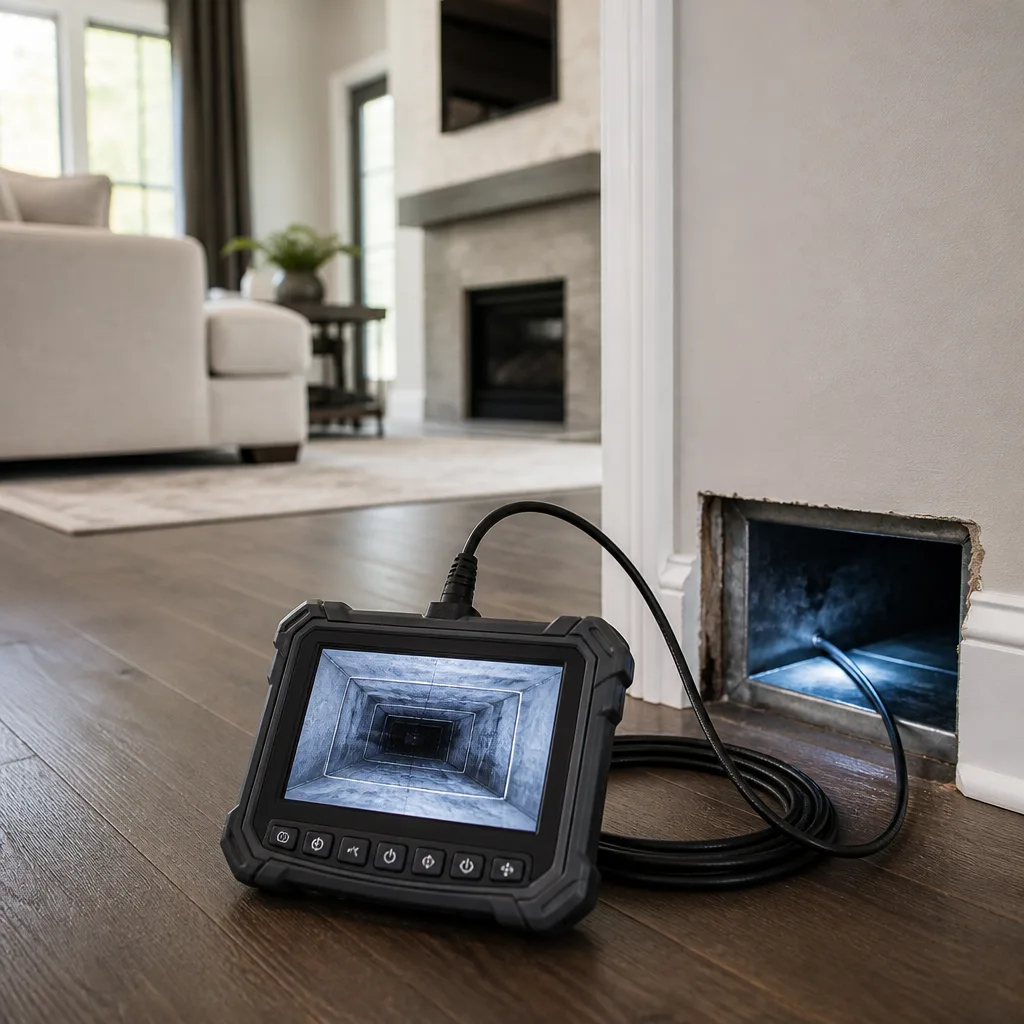 Camera inspection
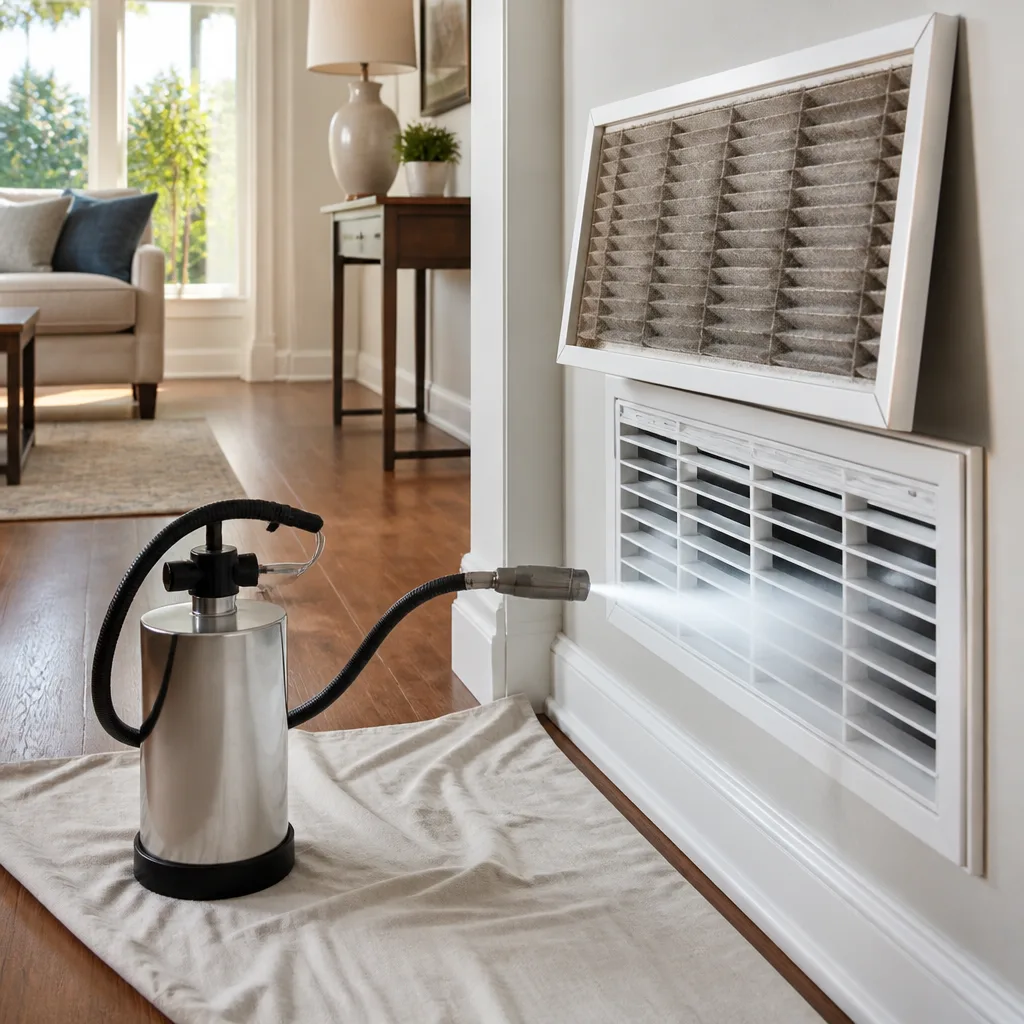 Sanitizing & deodorizing
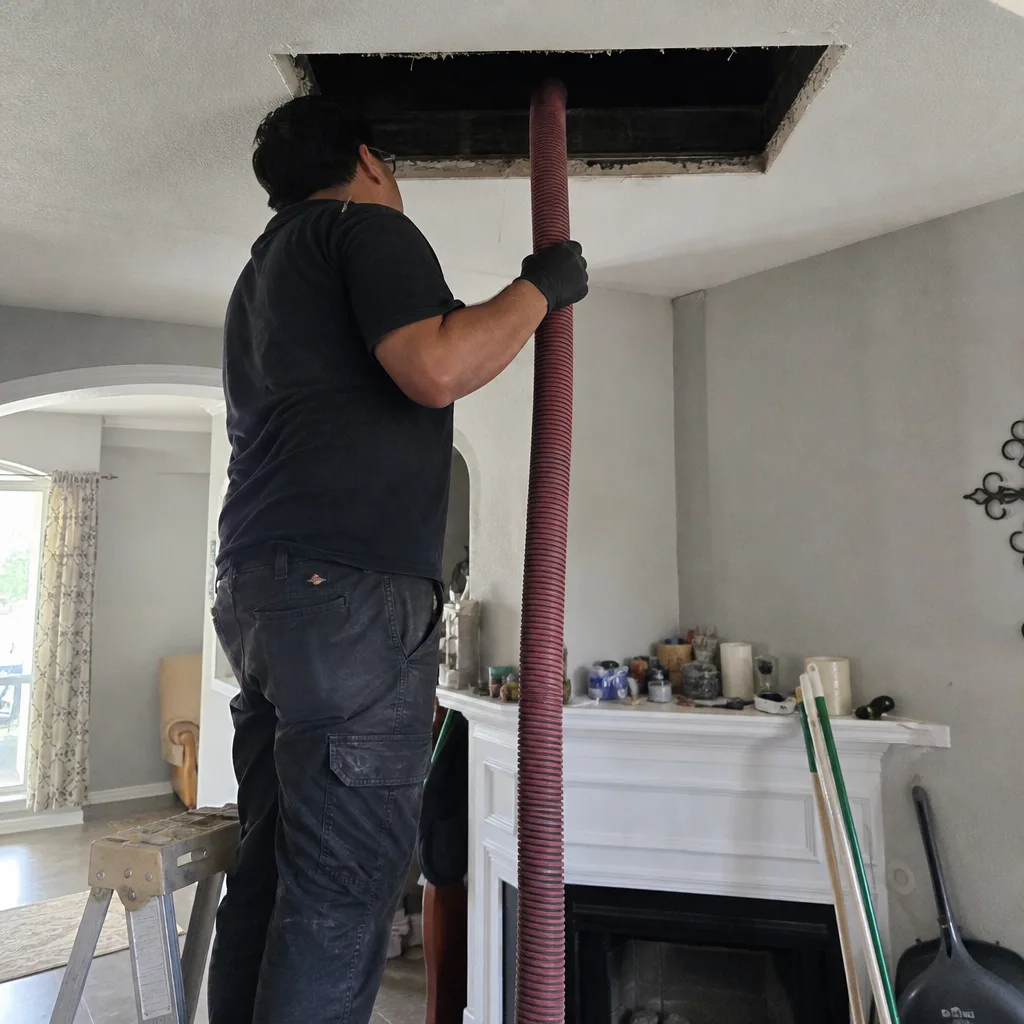
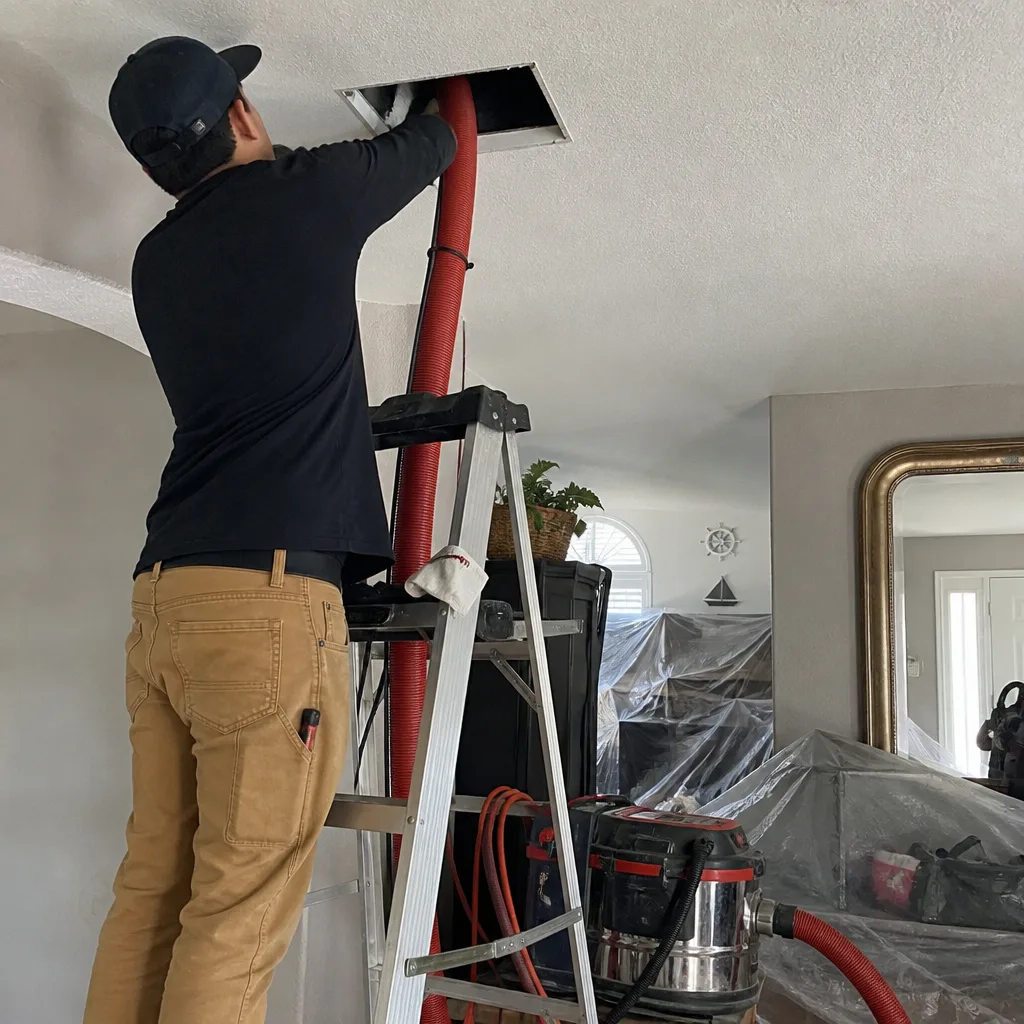
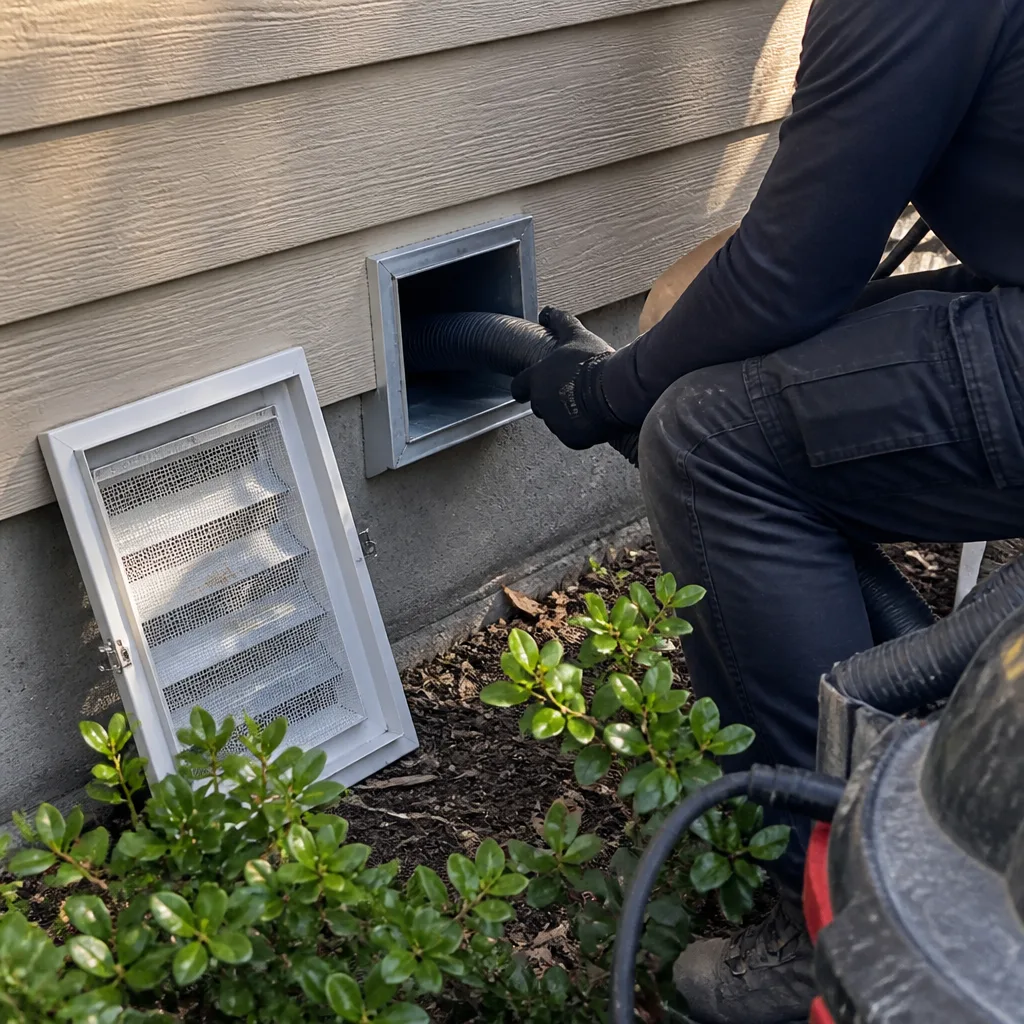
Whole-system duct and dryer vent check with before-and-after photos - you see exactly what came out of your vents
That "$99 whole-house special" is a bait ad - the real number appears once they are in your hallway, or the "clean" is a shop-vac at the register. We photograph the inside of your ducts before and after instead.
Honeywell Register & Grille Cleaning: The Austin Owner’s Guide
Honeywell register and grille cleaning in Austin typically costs $12 – $22 per register when done as part of a full duct cleaning, or $8 – $15 per register as a standalone service for most homes. We stock Honeywell-compatible grilles and registers on the truck, so if cleaning reveals a cracked face, broken damper blade, or one that’s been painted shut over 30 years of Texas humidity, we can swap it same-day. Most owners don’t realize a register has “failed” until airflow drops in one room, dust streaks appear on the ceiling above the vent, or a grille rattles every time the AC cycles on. By that point, the register isn’t just dirty. It’s often warped, clogged with debris that won’t come out without removing it, or sized wrong for the room from a previous contractor’s shortcut.
Which Honeywell Models This Applies To
Honeywell manufactures three register and grille lines that matter for Austin homes: the standard steel stamp-face series (commonly found in mid-2000s to current HVAC installations), the decorative aluminum series used in higher-end builds around Tarrytown and Westlake, and the commercial-grade line you’ll see in offices near the Domain. The compatibility gotcha most people miss: Honeywell registers use a slightly smaller mounting footprint than the big-box universal brands. A generic grille often leaves a 1/8-inch gap along the boot opening, which pulls attic or crawlspace air into the room. That gap also lets conditioned air escape into the wall cavity, so you’re paying to cool the space behind your drywall.
To confirm which Honeywell series you have, look at the inner frame edge. Steel stamp-face registers have the model number etched into the side rail, usually starting with “H” followed by three digits. The decorative aluminum series has a sticker on the back of the faceplate. Measure the boot opening, not the faceplate itself. Honeywell faceplates overhang the opening by about 1.25 inches on each side, which throws off DIY measurements constantly. If the faceplate is 12 inches wide, the boot opening is likely 10 inches. We carry both OEM Honeywell and quality aftermarket equivalents that match the exact boot dimensions. For most Austin homeowners, an aftermarket steel register with the same gauge and finish works fine. For decorative aluminum or anything with a non-standard damper configuration, OEM Honeywell is worth the extra few dollars because the blade pivot tolerances are tighter and the damper actually seals.
Styles & brands we work with
Signs Your Honeywell Register & Grille Cleaning Is Failing
- Dust streaks radiating from the grille. This means debris is building up on the back side of the louvers and the room’s airflow is dragging that dust across the ceiling. Cleaning the face without removing the register leaves the back-side buildup in place, and you’ll see the streaks return within a month. This is the single most common call we run in Austin’s pollen-heavy spring season.
- A grille that won’t close or opens on its own. The damper blade pivot points on Honeywell steel registers are the first thing to fail in high-humidity environments. Austin’s humidity causes micro-corrosion on the metal pins, and once they seize, the damper becomes decorative. Owners find this when one bedroom is always 5 degrees warmer than the rest of the house regardless of thermostat settings.
- Visible rust or paint bubbling on the faceplate. Honeywell steel registers hold up well in dry climates. In Austin’s alternating humidity cycles, especially in homes that have seen a few freeze events, condensation collects on the register during summer and the factory finish eventually fails. Once rust starts, cleaning accelerates the deterioration. That’s a replacement, not a cleaning.
- Louver blades that have shifted out of alignment. This is usually mechanical, not dirt. A register that’s been stepped on, vacuumed aggressively, or hit with a couch during furniture moves will have bent louvers. Bent blades whistle when the blower runs at higher speeds. You can bend them back, but the metal is fatigued and will drift again in a few weeks. Replacement is the honest fix.
- You find mold growth on the back of the grille. This is the one where cleaning alone is never enough. If the register shows visible mold on the back face, the issue usually extends into the boot and the first few feet of duct. We’ll pull the register, inspect the boot, and tell you exactly what we found before recommending anything. This is where our Rotobrush system and Nikro negative-air extraction make the difference: whatever we loosen, we pull out of the house, not into the room.
See the difference
 Before
 After
After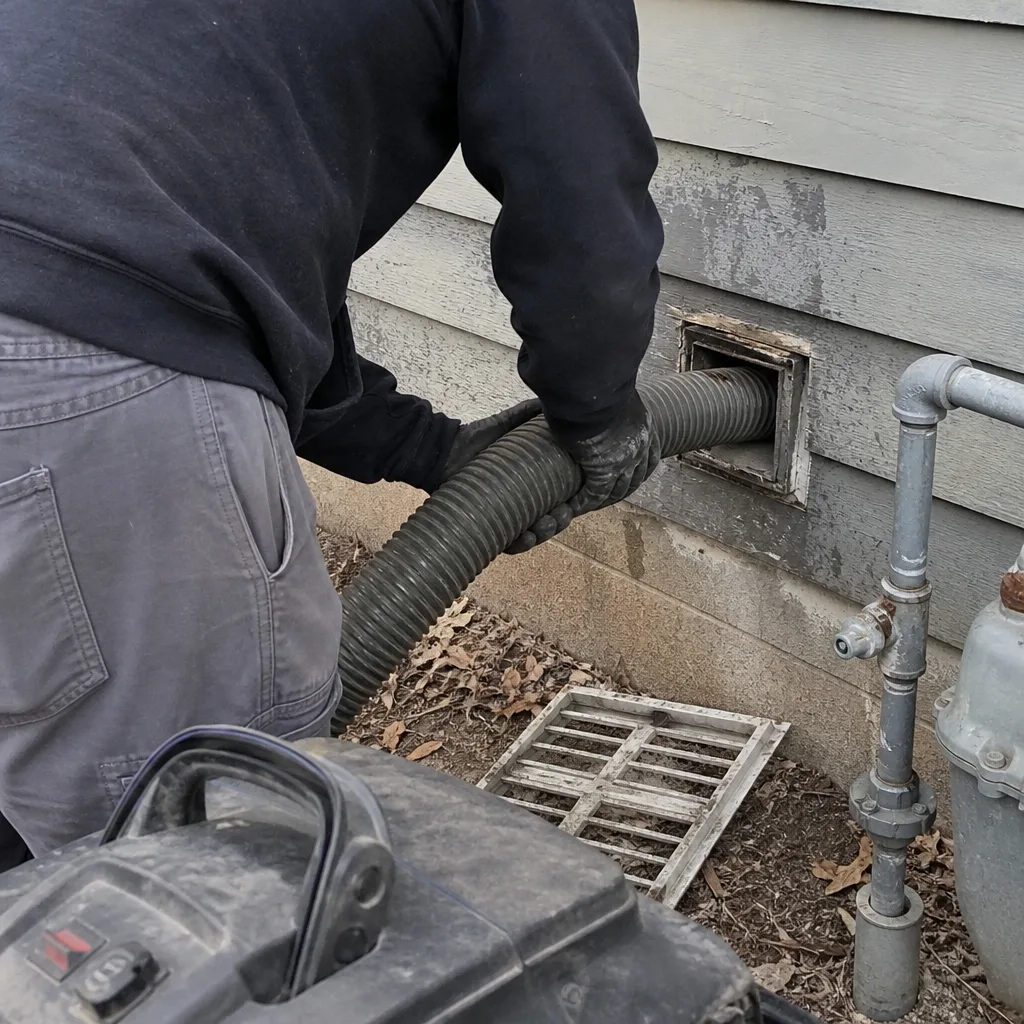 Before
 After
After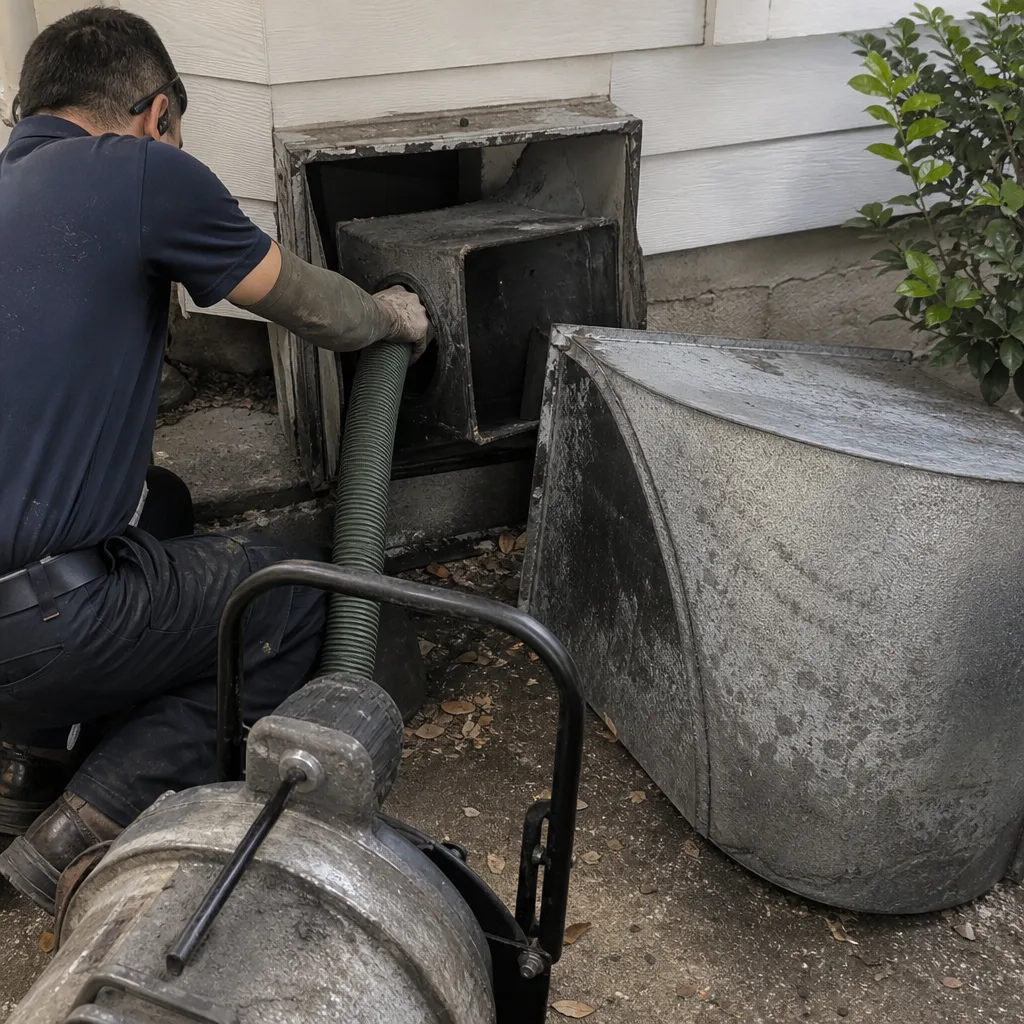 Before
 After
AfterReplacement Cost & What’s Included
Here’s what you can expect to pay in Austin for Honeywell register and grille replacement as part of a Cardinal Air Duct cleaning job or as a standalone service:
- Standard steel Honeywell grilles: $12 – $18 each, installed
- Decorative aluminum Honeywell grilles: $18 – $28 each, installed
- Commercial-grade Honeywell registers: $22 – $35 each, installed
- Cleaning only (register removed, boot hand-vacuumed, face scrubbed, reinstalled): $8 – $15 per register
Every price is flat and written before we start. Not a per-vent range that turns into something else on the invoice. You get one price per system or one price per register, and it doesn’t change at the door. The 365-Day Done Right Promise covers every register we clean or replace: if the work isn’t right within 365 days, we return and correct it at no charge. No fine print, no prorated coverage, no “this only applies if you also bought the duct sanitizing.” It applies to the whole job.
Most standard full-home register cleaning and replacement projects in Austin run $240 – $380 for a 2,500-square-foot home with 14 – 18 registers. Larger homes with custom grilles or color-match requirements push into the $500 range. Color-matched replacements are available but add 1 – 2 weeks because we have to order the finish from Honeywell’s distribution network. Plain white and standard ivory are on the truck.
DIY or Call Us?
Register cleaning is one of the few HVAC tasks where DIY is genuinely reasonable, with a caveat. You can absolutely remove a Honeywell register (two screws, sliding the mount tabs back), wash the faceplate in warm soapy water, dry it completely, and vacuum the first few inches of the boot with a shop vac. That’s safe and effective for surface maintenance. The caveat: if you’re seeing dust streaks return quickly, a room that won’t maintain temperature, or you suspect mold above the register, that’s not a cleaning issue anymore. That’s airflow dynamics and possible duct contamination, and no amount of register scrubbing will fix it. We also caution against using compressed air to blast through the register into the duct. It doesn’t remove debris; it just relocates it deeper into the system where it causes bigger problems. If you don’t know whether you have a dirty register or a dirty duct, call (940) 283-6595 and Omar or one of the team will talk it through with you before you book anything. No charge for that conversation.
FAQs
Expect 12 – 18 years from steel Honeywell registers in this climate before rust, damper failure, or louver fatigue sets in. Humidity and dramatic temperature swings, both of which Austin delivers annually, accelerate the wear. Decorative aluminum registers last longer (20+ years) because they don’t corrode, but they cost more upfront.
Yes, sometimes. Bent louvers can be re-straightened if the metal hasn’t cracked, and loose damper pivots can be tightened with shims in the mount tabs. But rust-stuck dampers, cracked faceplates, and fatigued louvers that drift closed after adjustment are replacement situations. We’ll tell you which one you have, and if repair works, that’s what we’ll do. Call (940) 283-6595 for an exact assessment, free.
Cleaning and reinstalling 14 – 18 registers takes about 45 – 60 minutes. Adding replacements runs another 10 minutes per register. If we’re doing a full duct cleaning at the same time, the entire job for a typical Austin home runs 3 – 4 hours from arrival to final walkthrough with before-and-after photos in your hand.
Yes. We carry standard white and ivory steel Honeywell grilles in the most common Austin-sized boot openings, plus common faceplate dimensions for the decorative aluminum series. If you need a non-standard size, color-matched finish, or commercial-grade configuration, we order it and schedule the install once it arrives. Lennox, Trane, and Carrier registers are also available for mixed-system homes.
If your Honeywell registers are dirty, failing, or you just want an honest assessment of your entire HVAC system, call us at (940) 283-6595. Omar Haddad and the Cardinal Air Duct Austin team serve homeowners across Austin, from Tarrytown to Mueller to the neighborhoods off 360. You’ll get a live person on the phone, a written price before any work starts, and before-and-after photo proof when we’re done. Clean air isn’t a luxury – it’s just what your system was built to deliver.
Written by Omar Haddad, Owner, Cardinal Air Duct Austin at Cardinal Air Duct Austin, serving Austin and nearby areas.