
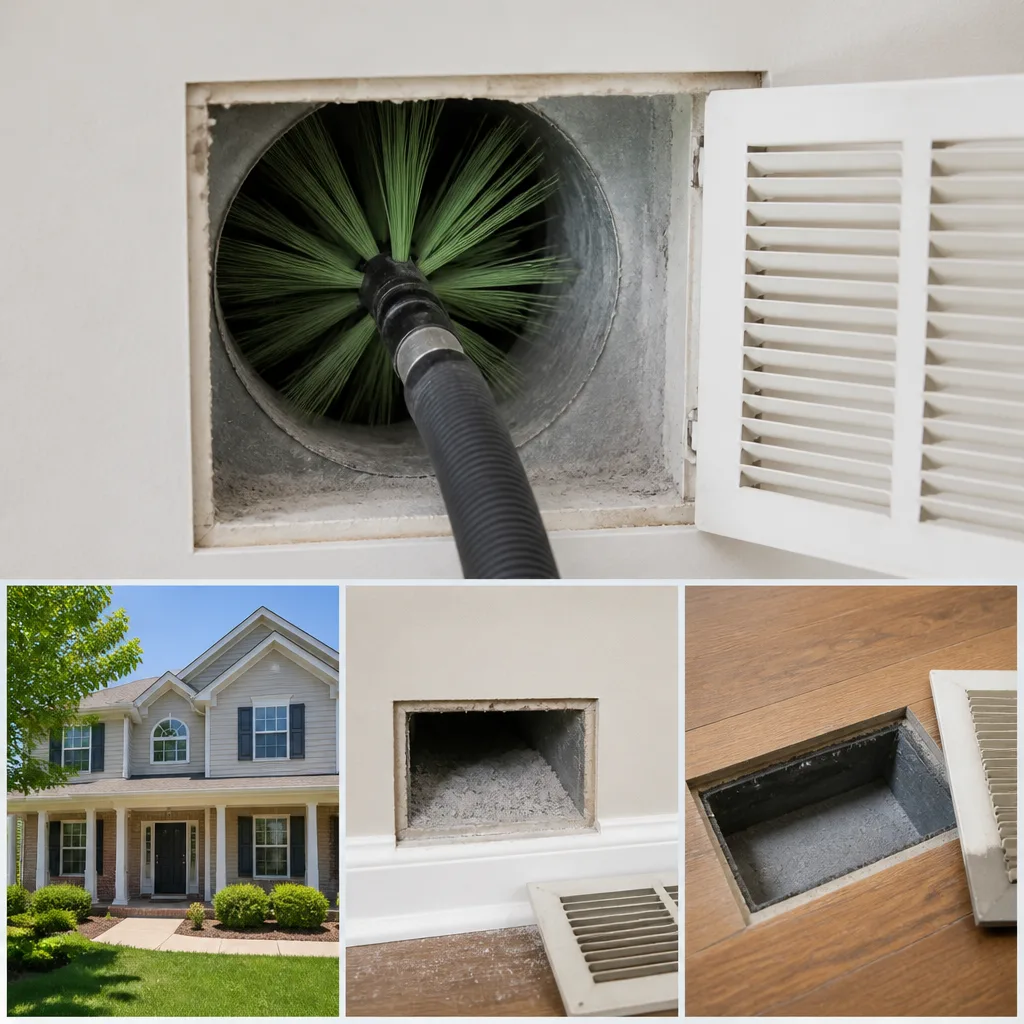
 Whole-home duct cleaning
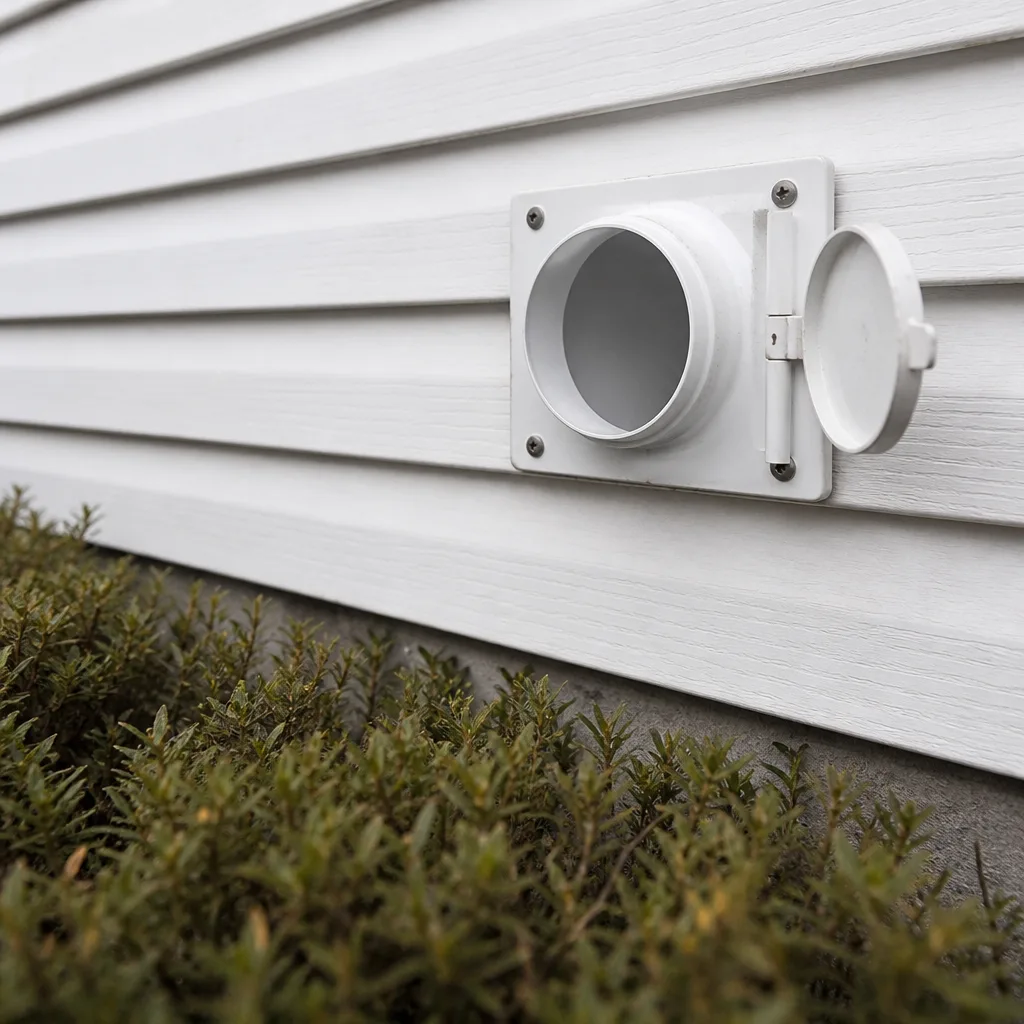 Dryer vent cleaning
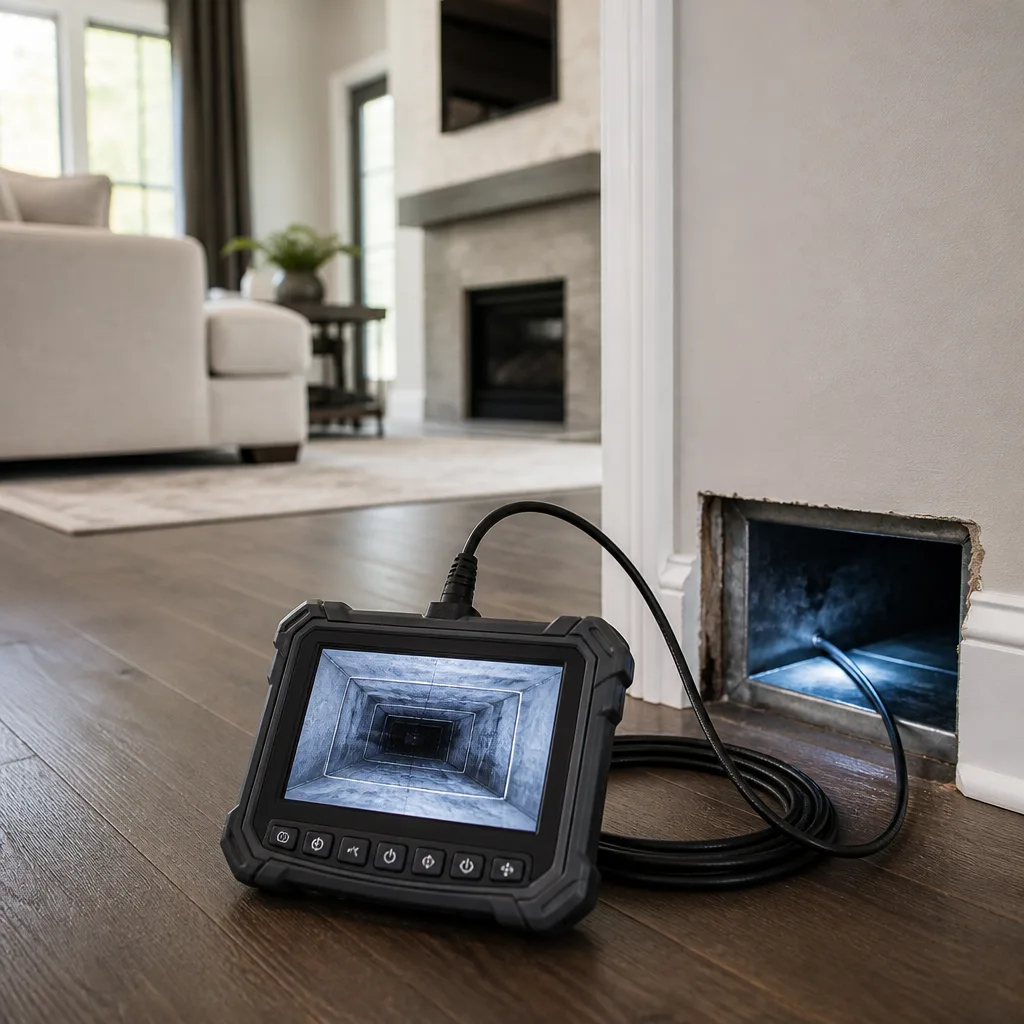 Camera inspection
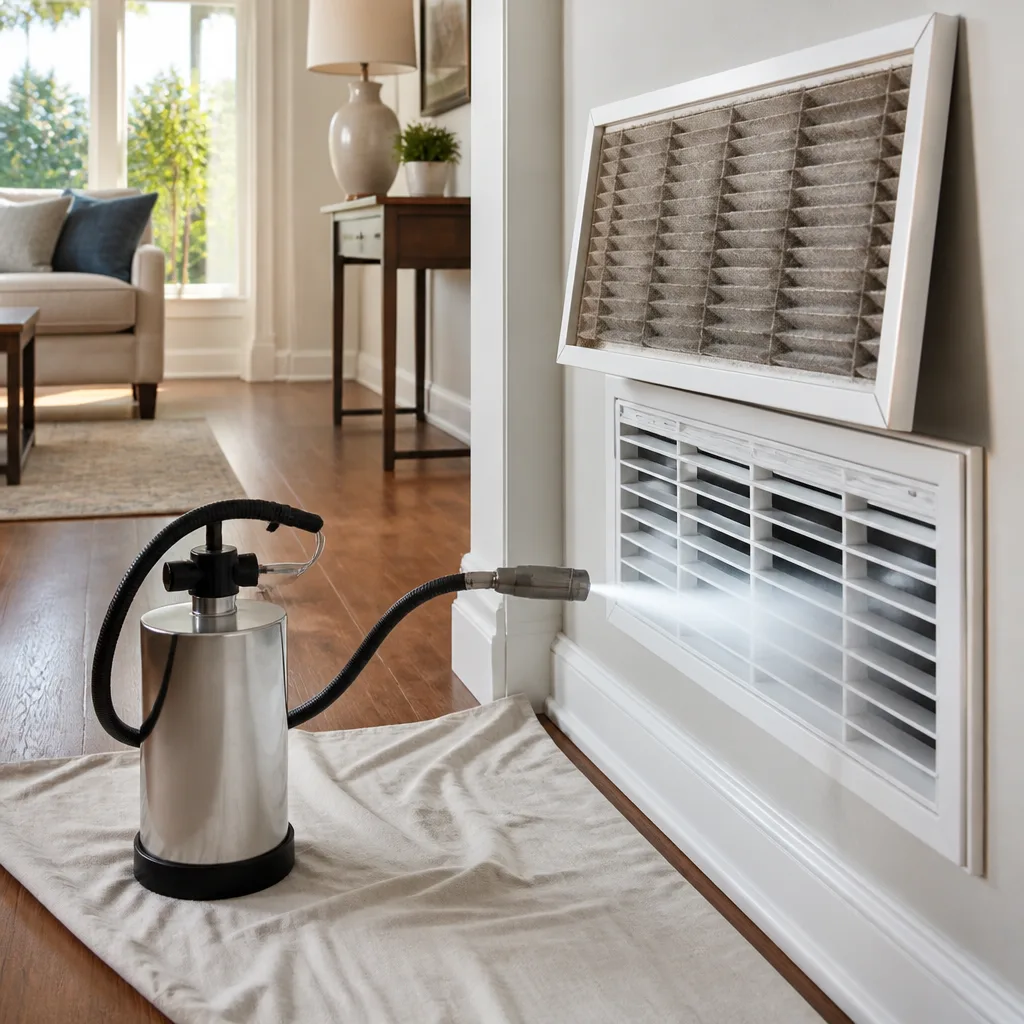 Sanitizing & deodorizing
Whole-system duct and dryer vent check with before-and-after photos - you see exactly what came out of your vents
That "$99 whole-house special" is a bait ad - the real number appears once they are in your hallway, or the "clean" is a shop-vac at the register. We photograph the inside of your ducts before and after instead.
Honeywell Duct Sealing & Repair: The Austin Owner’s Guide
If you’ve got a Honeywell duct system that’s leaking, separated, or losing seal at the joints, we stock and install Honeywell-compatible sealing and repair components for Austin homes, with most jobs running $285 – $650 installed depending on how many joints need work and how accessible your duct runs are. We’re usually on site within a few days of your call. The way most Austin homeowners discover this problem is a room that never quite cools in August, a utility bill that creeps up month after month, or dust showing up on furniture two days after you wiped it down.
The frustrating part is that duct sealing failures are invisible. The ducts are in the attic, behind walls, or under the house. You feel the symptoms long before you ever see the problem. That’s why we lead with a camera inspection before quoting anything. You see what we see, and the price we hand you before work starts is the price on the invoice when we leave.
Which Honeywell Models This Applies To
Honeywell doesn’t manufacture flexible ductwork itself, but their zoning systems, dampers, and bypass setups integrate with duct runs that carry their nameplates on the plenum connections. The sealing products we stock work across Honeywell TrueZONE panels controlling round and rectangular duct, plus the standard flexible and rigid metal ductwork found in most Austin homes built from the 1990s onward. If your ductwork carries a Honeywell damper motor, zone control board, or bypass damper, you’re in the right place.
One compatibility gotcha worth knowing: Honeywell zone dampers use a specific round collar sizing (6″, 8″, 10″, 12″, 14″, and 16″ diameters), and the mastic or foil tape seal needs to match the collar material, not the duct material. If someone seals a galvanized damper collar to flex duct with the wrong tape, that seal fails within two Austin summers. Heat and humidity in our area cycles are brutal on adhesive-backed products. We use UL 181-rated mastic and foil tape on every Honeywell damper and joint we touch, because anything less is a callback waiting to happen.
We stock OEM Honeywell damper seals and quality aftermarket equivalents from Hardcast and Design Polymerics. For most homeowners, the aftermarket UL 181-listed sealant does the job at a better price. The only time we insist on OEM is when the part itself is mechanical, not a seal. A damper motor replacement gets OEM. A joint reseal gets the best available mastic, regardless of whose logo is on the bucket.
Styles & brands we work with
Signs Your Honeywell Duct Sealing Is Failing
- Rooms that never reach the thermostat setting. If your east-facing bedroom is 78° while the hallway reads 72°, you’re losing conditioned air through failed duct seals before it ever reaches the register. In Austin’s heat, a 10% duct leak can add $150 – $250 a year to your cooling bill.
- Dust accumulation that comes back fast. When duct joints separate, the system pulls attic air into the return side. Attic air in Texas is loaded with fiberglass particles, dust, and whatever the last rat left behind. If your furniture needs dusting weekly, your seals are suspect.
- Whistling or hissing near duct runs. Air escaping through a half-inch gap makes noise. If you hear it in the hallway or near the air handler, you’ve got a pressurized leak that’s dumping paid-for air into dead space.
- Hot or cold spots on walls and ceilings near registers. When supply air leaks into a wall cavity, the sheetrock absorbs that air. The surface temperature change is a dead giveaway on an infrared inspection, and you can sometimes feel it with your palm.
- Utility bills trending up with no change in usage. Austin Energy customers often see a summer bill spike that doesn’t match thermostat habits. Duct leakage is one of the top three causes we document on residential energy audits.
See the difference
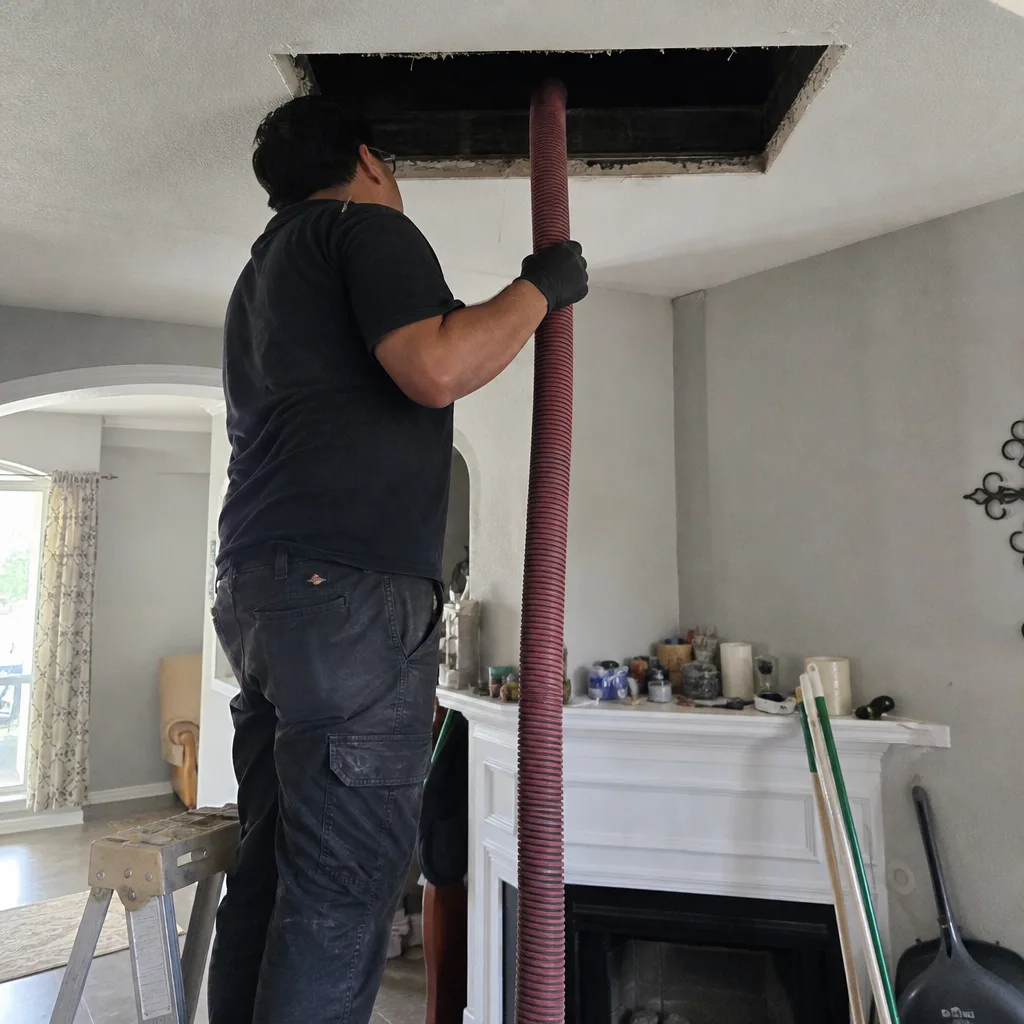 Before
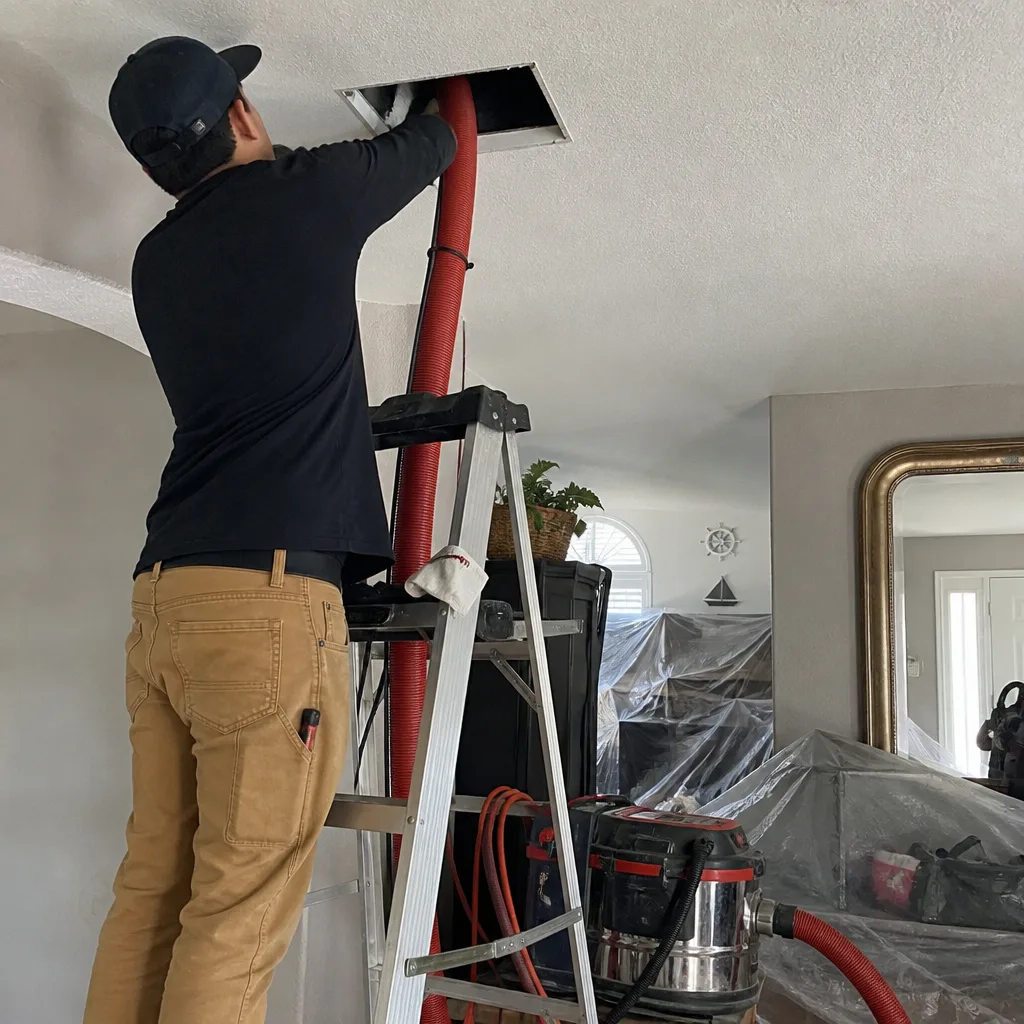 After
After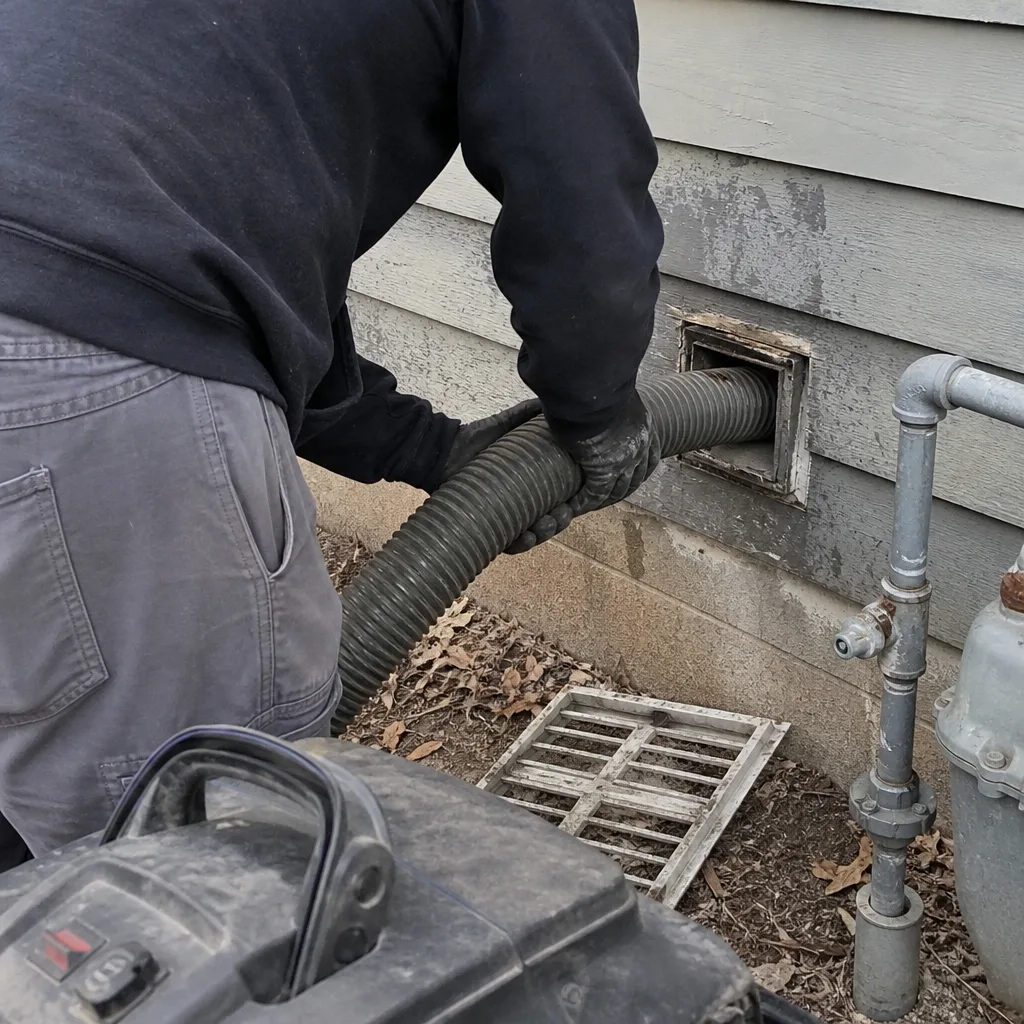 Before
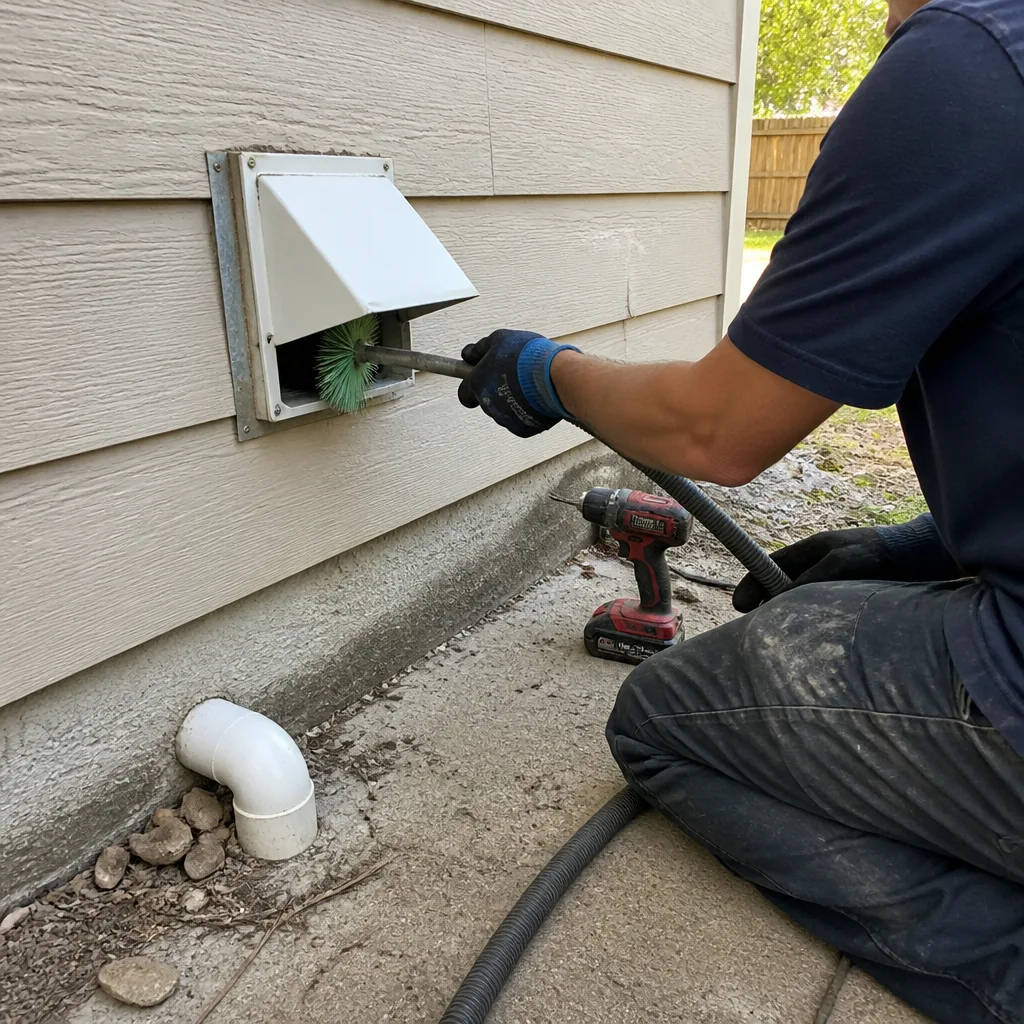 After
After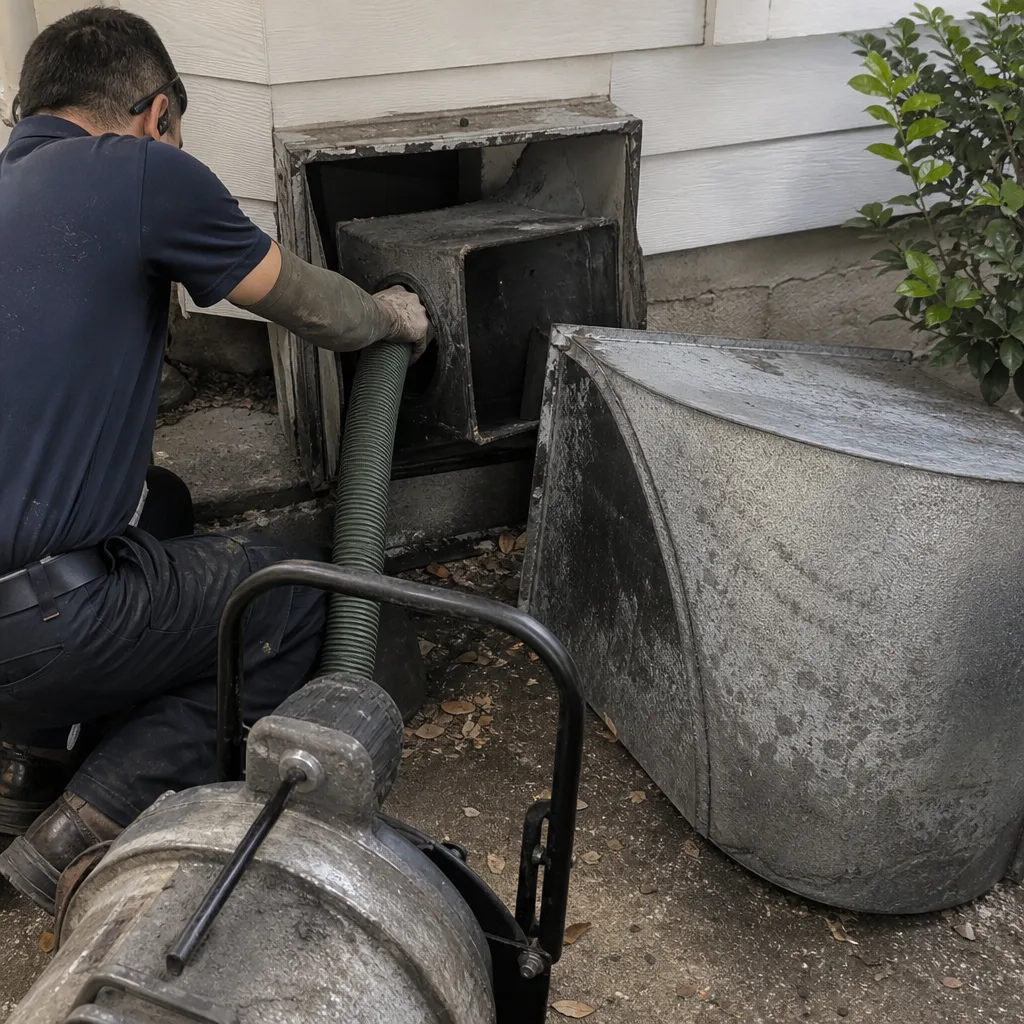 Before
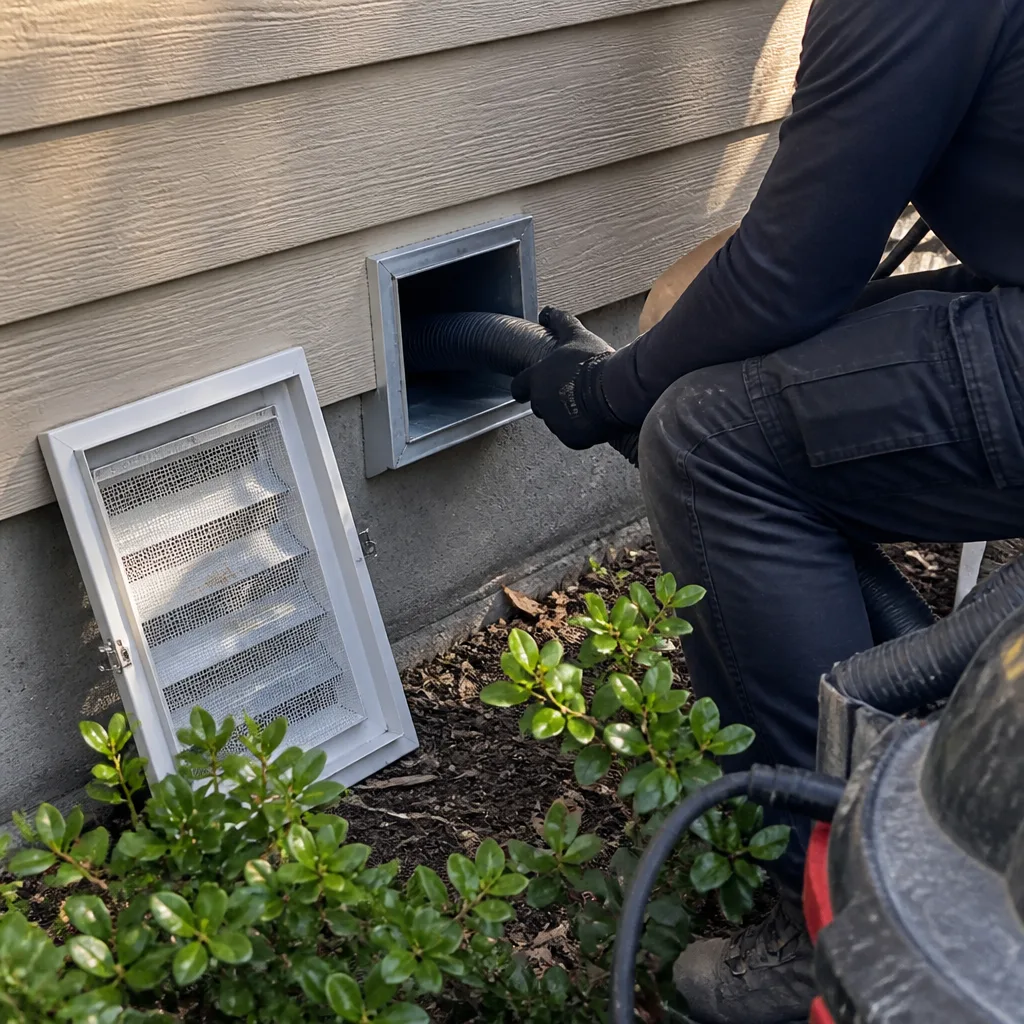 After
AfterReplacement Cost & What’s Included
Most Honeywell duct sealing and repair jobs in Austin run $285 – $650, and the spread comes down to three things: how many joints need resealing, whether we’re working in a tight attic or an accessible crawl space, and whether any damper components need replacement on top of the sealing work. A simple three-to-four-joint reseal on accessible flex duct sits at the low end. A full zoned system with a bypass damper replacement and ten-plus joints to seal lands at the high end.
| Job Component | Typical Price Range (Installed) |
|---|---|
| Camera inspection of duct system | Free with any repair |
| Single joint reseal (mastic + foil tape) | $45 – $85 per joint |
| Standard duct sealing job (4 – 8 joints) | $285 – $450 |
| Full zoned system seal + damper check | $450 – $650 |
| Honeywell damper motor replacement (if needed) | $180 – $320 per damper |
Every quote includes parts, labor, and cleanup. No per-vent pricing, no surprise fees at the door. The number we hand you before work starts is the number on your invoice. And every sealing job we do in Austin carries the 365-Day Done Right Promise – if the seal fails within a year, we return and correct it at no charge. That’s not a promo. That’s the standing rule on every job we book.
DIY or Call Us?
Duct sealing sits in a gray zone. The materials aren’t dangerous to handle – UL 181 mastic and foil tape won’t hurt you – but the locations where the work happens often are. Most Austin ductwork lives in attics that hit 140° in the summer, with blown-in insulation hiding joists, wiring, and the occasional wasp nest. Walking a wrong step lands you through the ceiling. That’s the real reason we tell homeowners to leave this one to a crew with the right access gear and the right insurance.
What you can safely do: check your filter, listen for hissing near accessible duct runs, and note which rooms run hot. What you should not do: crawl into a Texas attic in July with a bucket of mastic and a headlamp. We’ve repaired more DIY sealing attempts than we can count, and the common thread is that the homeowner sealed the wrong joint, missed the real leak, or made a mess that took longer to clean up than the original fix. If you’re in Austin and suspect a duct seal failure, call us at (940) 283-6595 for a free inspection. Omar Haddad and our crew will show you exactly what’s leaking before we touch anything.
FAQs
Properly applied UL 181 mastic and foil tape on clean, dry surfaces lasts 15 – 20 years in Austin’s climate, often outliving the flex duct it’s applied to. The biggest longevity killers are heat cycling in attics and improper surface prep, which is why we clean and dry every joint before sealing.
Yes, and in most cases repair is the right move. If the duct itself is intact and only the joint seal has failed, we clean the area, reapply mastic, and tape it. Replacement only makes sense when the duct is crushed, moldy, or torn beyond a patch. Call us at (940) 283-6595 and we’ll tell you honestly which one you need.
Most sealing jobs take 2 – 4 hours from arrival to cleanup, depending on how many joints need work and how accessible the duct runs are. Zoned Honeywell systems with damper work can push to a half day. We’ll give you a written timeline with your quote.
Yes. Our trucks carry UL 181-rated mastic, foil tape, and common Honeywell damper collar sizes (6″ through 16″), plus OEM damper motors for the most common TrueZONE models. For less common parts, we typically have them in hand within one to two business days. We also work on duct systems tied to Lennox, Trane, and Carrier equipment, so if your system is mixed-brand, we’ve got you covered.
Written by Omar Haddad, Owner, Cardinal Air Duct Austin at Cardinal Air Duct Austin, serving Austin and nearby areas.