
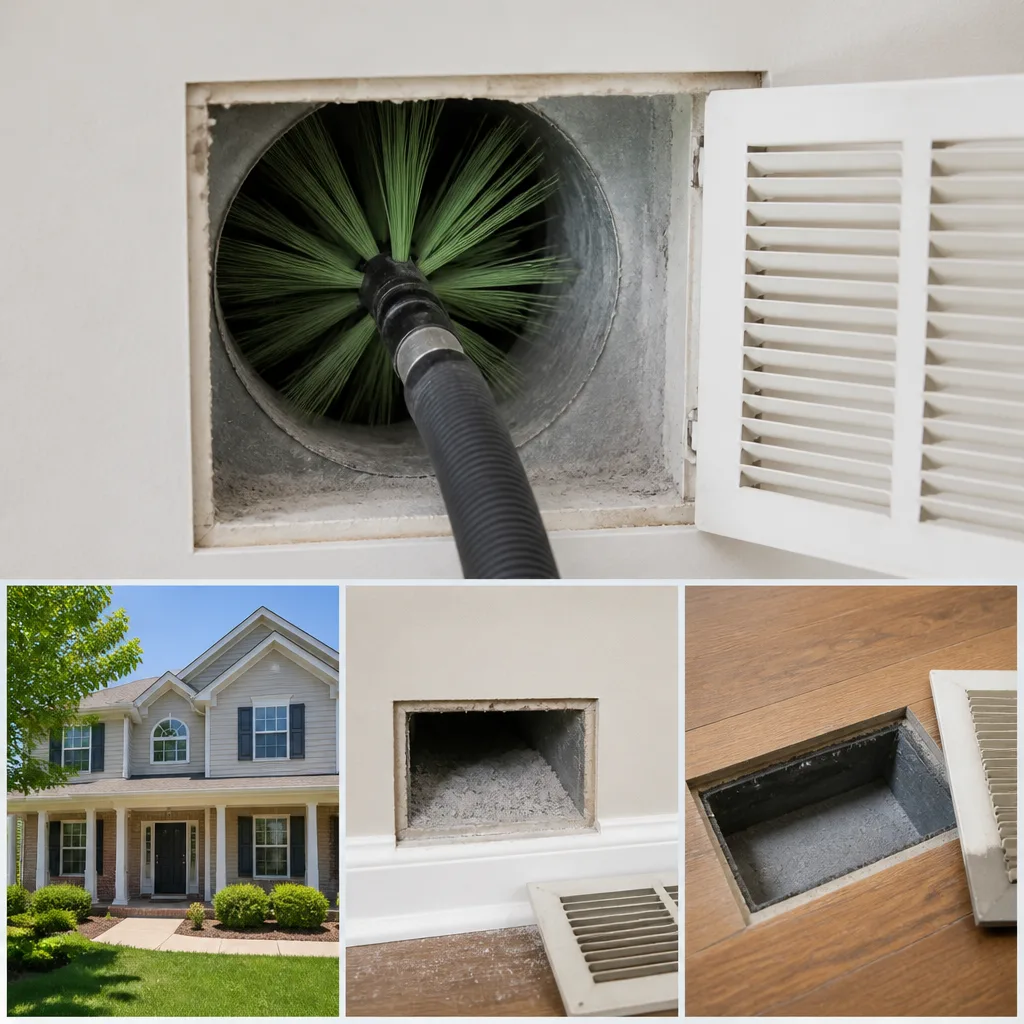
 Whole-home duct cleaning
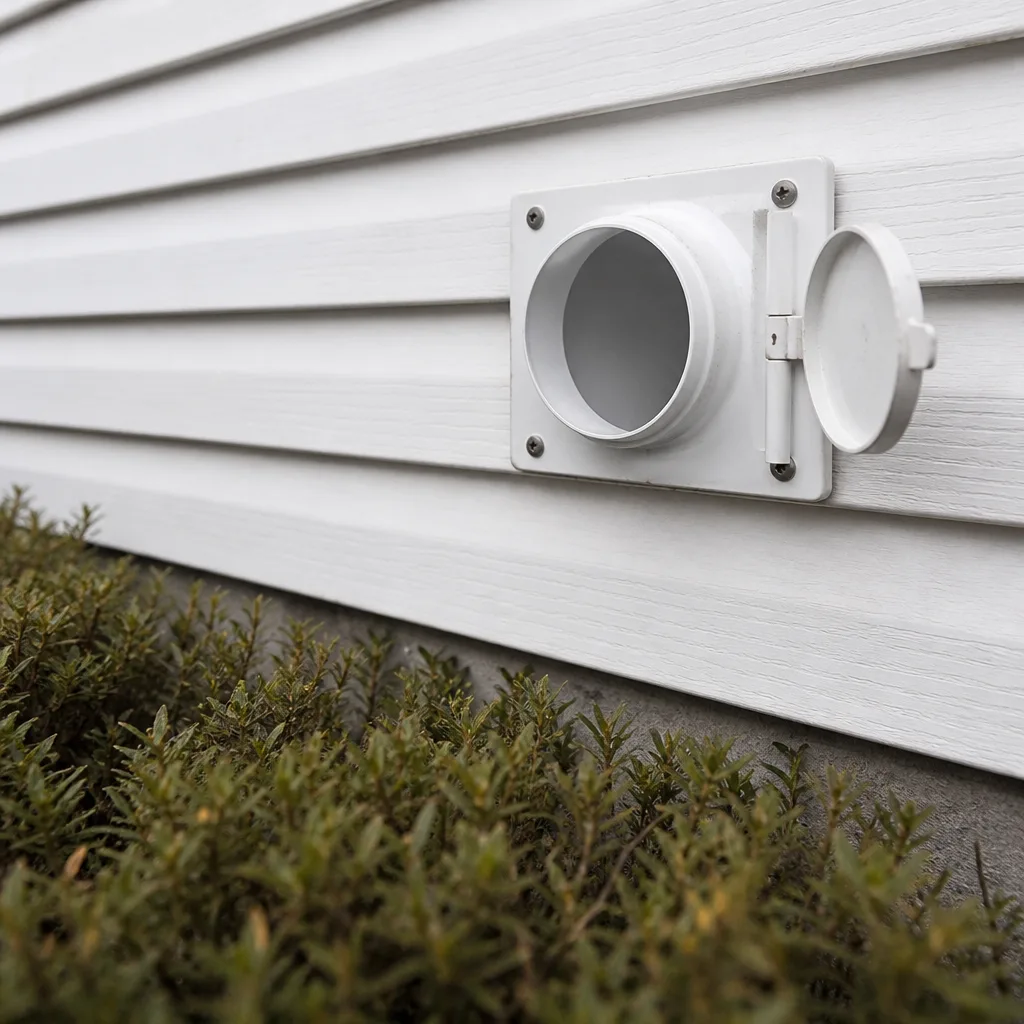 Dryer vent cleaning
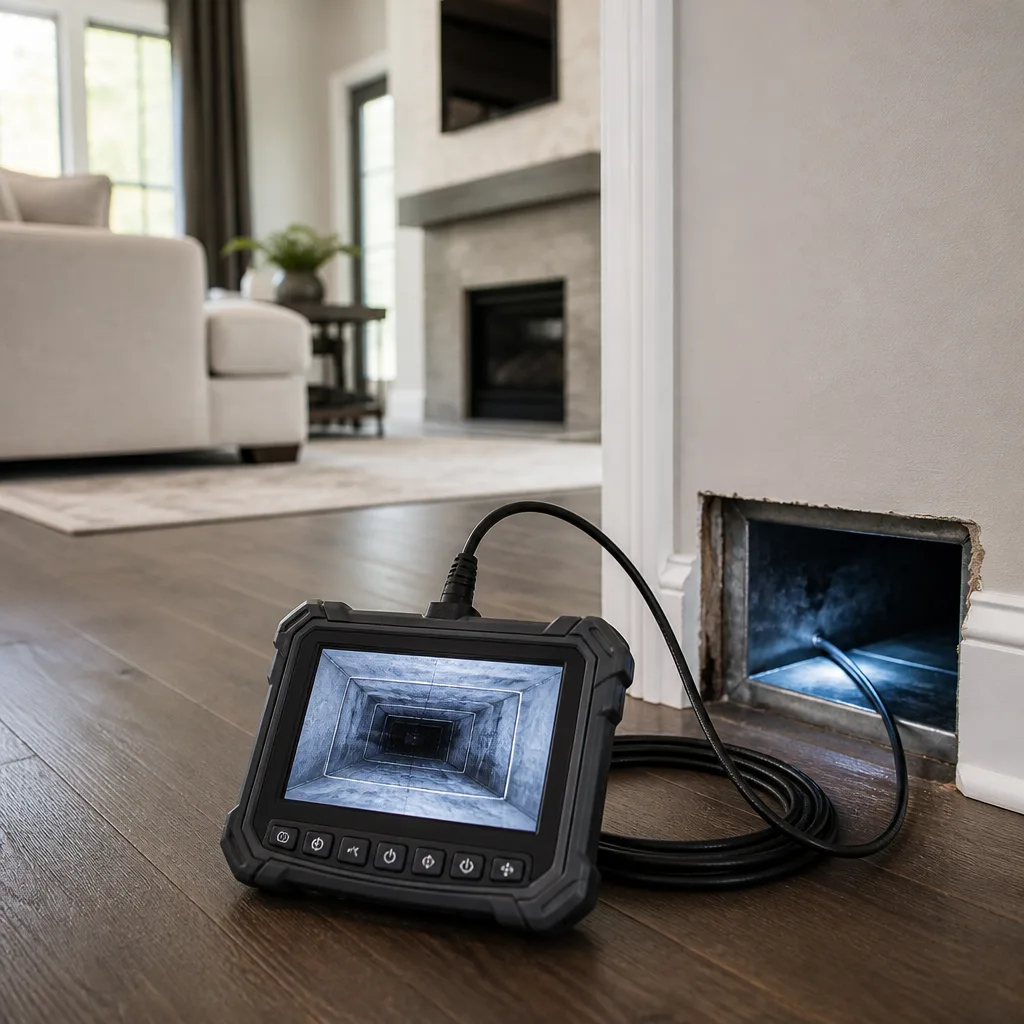 Camera inspection
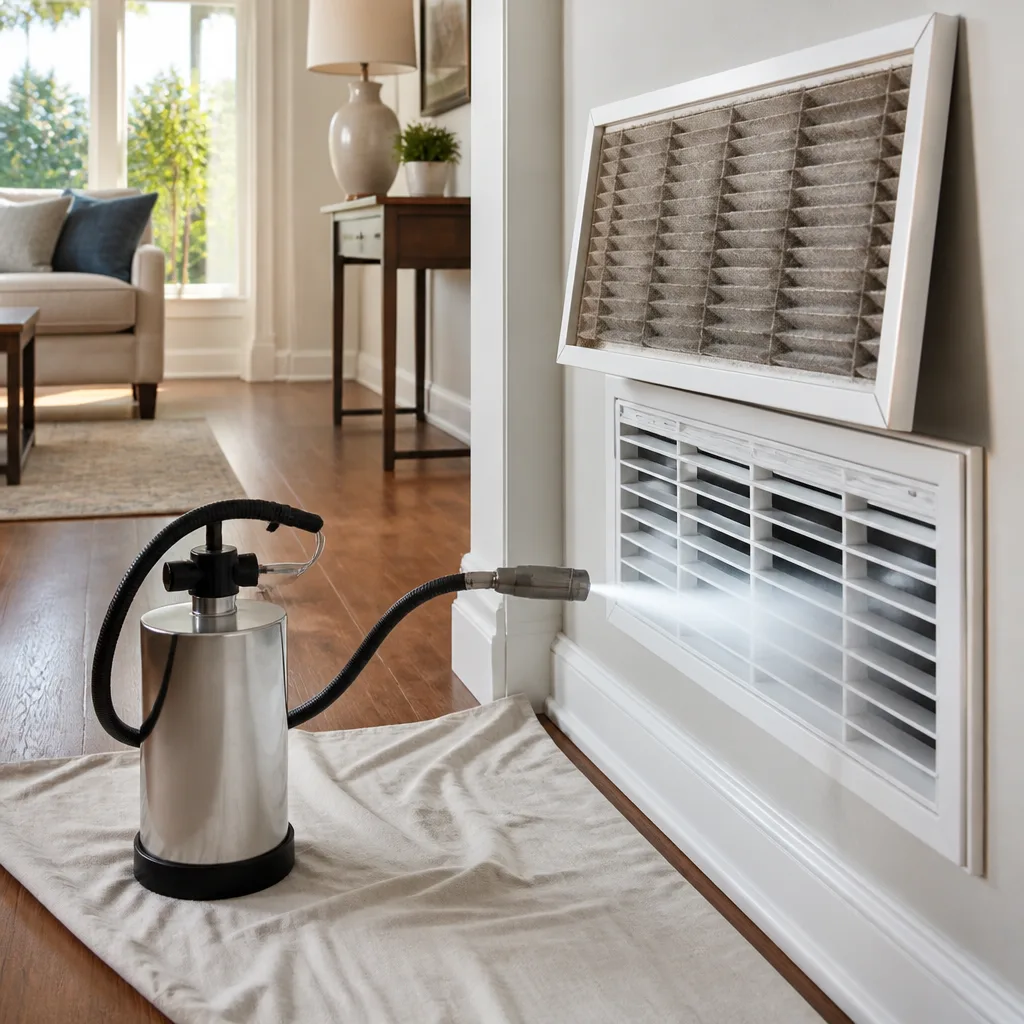 Sanitizing & deodorizing
Whole-system duct and dryer vent check with before-and-after photos - you see exactly what came out of your vents
That "$99 whole-house special" is a bait ad - the real number appears once they are in your hallway, or the "clean" is a shop-vac at the register. We photograph the inside of your ducts before and after instead.
Honeywell Air Duct Cleaning in Austin: What to Know First
Honeywell air duct cleaning in Austin typically costs $450 – $750 for a full single-system home, and most jobs are finished in 3 – 5 hours. We’re an independent Honeywell service provider – not a factory dealer – which means we work on every model line without pushing OEM-only parts or voiding your warranty. The honest answer: your Honeywell-branded filtration and ventilation gear lives inside ductwork that gets dirty at the same rate as any other system, and cleaning it properly requires negative-pressure extraction, not a shop vac and a prayer. This page breaks down exactly how we clean Honeywell systems, what we find in Austin ductwork, what it costs, and how to book. Call (940) 283-6595 for a free estimate.
Key Takeaways:
- Full Honeywell duct cleaning in a typical Austin home runs $450 – $750, priced by the system and confirmed before work starts.
- We clean all Honeywell filtration and ventilation components – media cabinets, bypass filters, ERV/HRV lines, and zone dampers – not just bare ducts.
- Honeywell ozone and UV lamp assemblies need to be powered down and bypassed properly before cleaning. We do it right, and we photograph what we did.
- Every job includes a written price before any work begins, a 365-Day Done Right Promise, and before-and-after photo proof of the actual duct interior.
If you’re a Honeywell owner who wants the system cleaned without the bait-and-switch pricing game, you’re on the right page. We know the equipment, we know Austin’s dust, and we hand you the price before anything happens.
How Honeywell Products Fail – and How We Fix Them
Here’s what we actually see on Honeywell setups in Austin, from Tarrytown remodels to 1990s homes around Round Rock. These are the failure points that matter for air duct cleaning, and the fixes our technicians have dialed in over years of working on this equipment.
- Honeywell F300 whole-house media filter housings collect a concrete-like layer on the air-intake side. The F300 series – the big 20x25x5 media cabinet – sits upstream of the blower and eats the brunt of return-air dust. In Austin’s cedar and oak pollen seasons, the pre-filter surface cakes over and the media loads unevenly. We remove the media, clean the housing tracks, vacuum the plenum up close, and check the pressure-drop signal. If the cabinet door gasket is brittle – and it usually is after a Texas summer – we flag it for replacement.
- Honeywell TrueCLEAN UV systems (the lamp-in-coil design) create dead microbial matter that ends up coating the duct walls downstream. UV lamps knock out surface growth on the coil, but the dead cells don’t vanish. They dry, flake, and blow down into the supply runs. The duct cleaning has to include a full supply-side pass because the debris is most concentrated on the first ten feet of supply trunk. We power the UV system down at the breaker before cleaning and restart it after the job is done.
- Honeywell zone dampers (spring-open, power-close) get stuck half-open when enough dust builds up on the blade edge. When a damper jams, airflow to one part of the house drops. Homeowners usually notice a hot bedroom or a noisy register. The fix related to duct cleaning is straightforward: we clean the damper blades, lubricate the shaft, and verify the motor responds to the zone panel signal. Sometimes the damper just needs replacing, and we’ll tell you before we quote it.
- Honeywell ERV cores (the VNT series enthalpy wheel) pass allergens through when they’re gunked up. ERVs move fresh air in and stale air out, but the core does the temp-and-humidity exchange. When dust coats the wheel, the unit still spins but it’s not transferring energy or filtering effectively. The giveaway is fresh air that feels humid in July. Our cleaning process includes removing and washing the core, cleaning the inlet and outlet lines, and rechecking the wheel’s rotation. This is one service homeowners can’t get from a basic duct-only company.
- Honeywell thermostats and zone sensors read wrong temperatures when supply duct leakage lets hot attic air pour into conditioned space. Not strictly a duct-cleaning symptom, but we uncover it constantly: the T10, T9, and older Wi-Fi models all sit downstream of whatever the ducts are doing. If a return line has a gap, the stat reads attic-tempered air and short-cycles the compressor. Cleaning the duct system gives us an opportunity to inspect and correct the connections. When we’re in the attic, we look. Simple as that.
Styles & brands we work with
Our Honeywell Air Duct Cleaning Process
Here’s exactly what happens when you book a Honeywell duct cleaning with us in Austin. No ambiguous “inspection visit” upsell, no surcharges dropped after the fact. Just a written plan and a clean job.
- 1
Call and book. A live person answers, always. We confirm the Honeywell equipment in your system – media cabinet, UV lamp, ERV, zone setup – and schedule a time with a live trackable arrival window.
- 2
System walk-through. Our technician names every piece of Honeywell gear we’re about to clean, checks the furnace and blower, and maps your runs. Then we hand you a written price. If anything changes, the number does not change at the door.
- 3
Contain and protect. We seal registers, lay down floor protection, and set up negative-air containment with our Nikro HEPA extraction unit. That means dust we loosen goes into the machine, not back into your house.
- 4
Clean every line. We use Rotobrush rotary contact brushes on supply and return runs, blow out trunk lines, and hand-clean all Honeywell components we’ve identified – media cabinet, UV housing, damper blades, ERV core as applicable.
- 5
Before-and-after photo proof. We photograph the duct interiors, not just the exterior vent. You see the actually-clean surface, not just a technician’s word.
- 6
Final check and invoice. We reassemble, test airflow and zone operation, and send a digital invoice you can pay with your phone. The 365-Day Done Right Promise applies – if the work isn’t right within a year, we come back and fix it, free.
See the difference
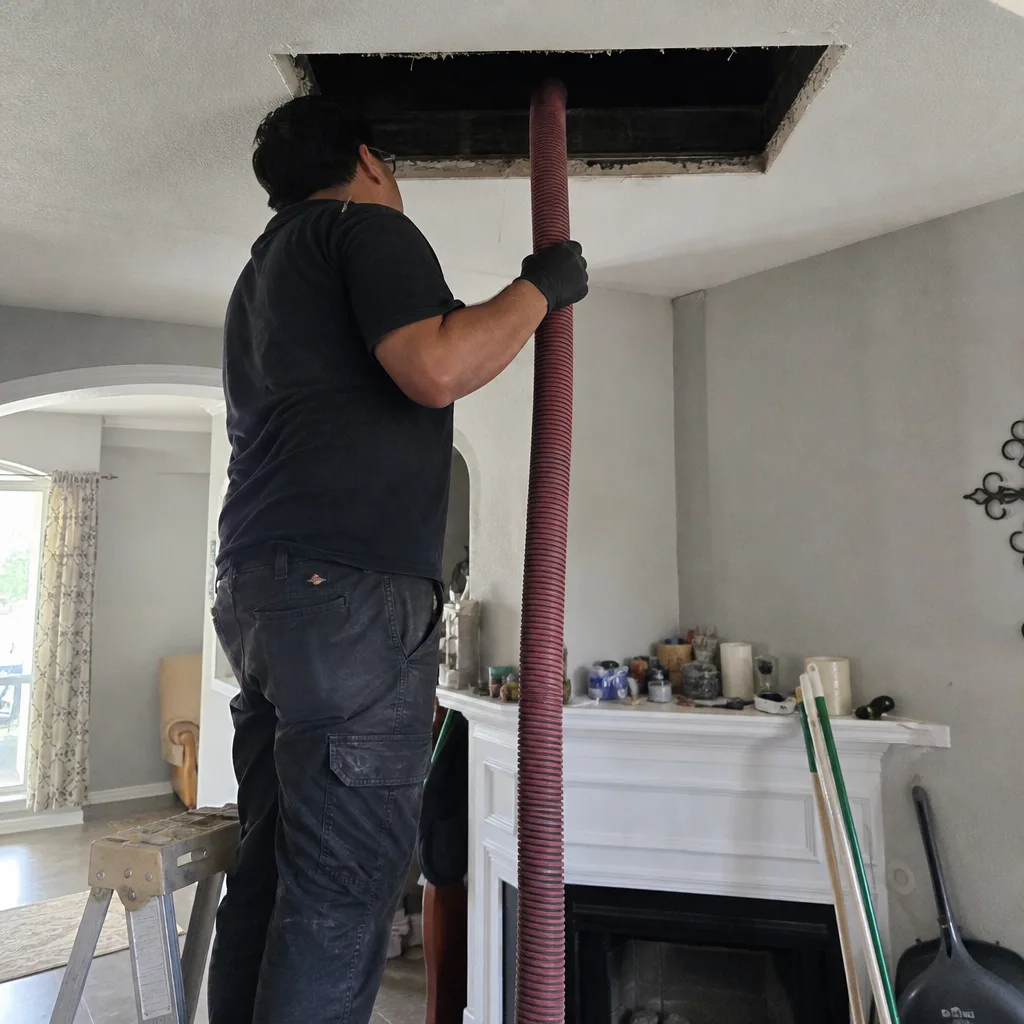 Before
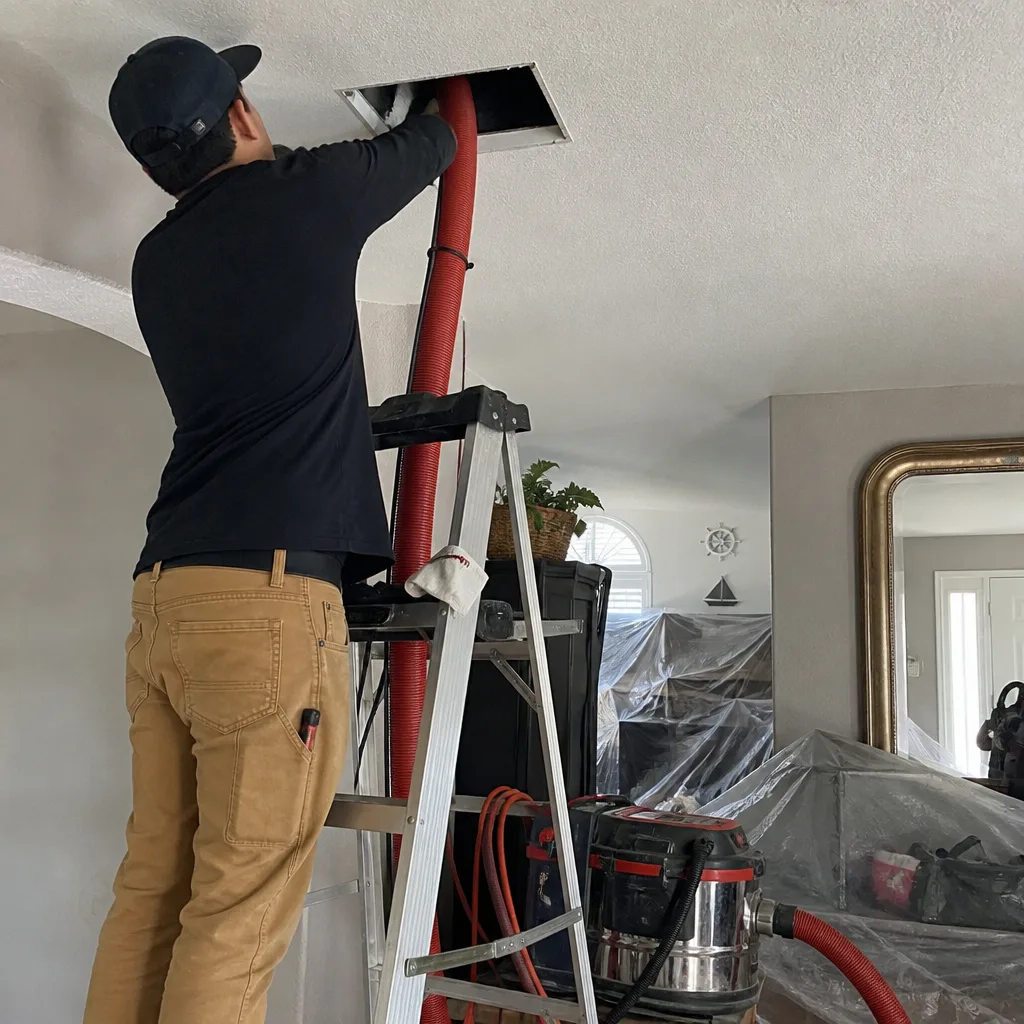 After
After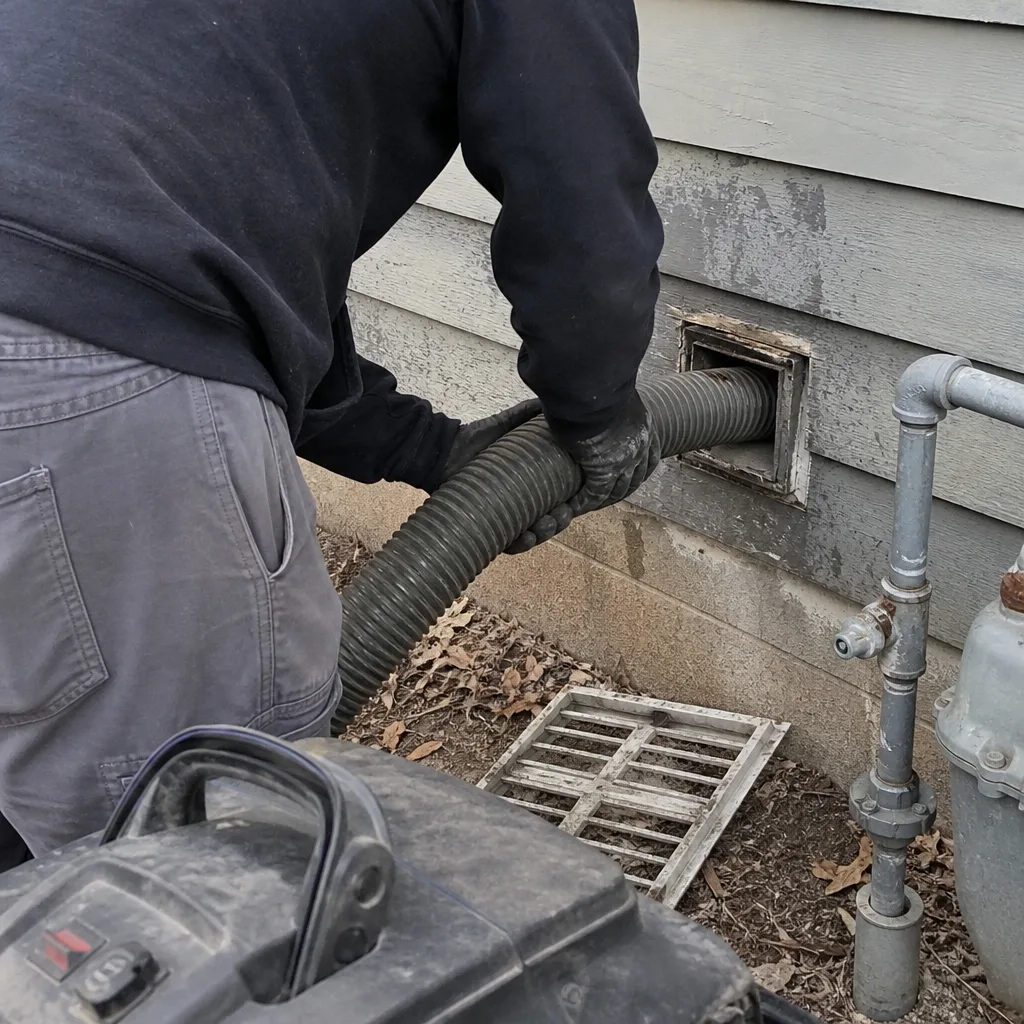 Before
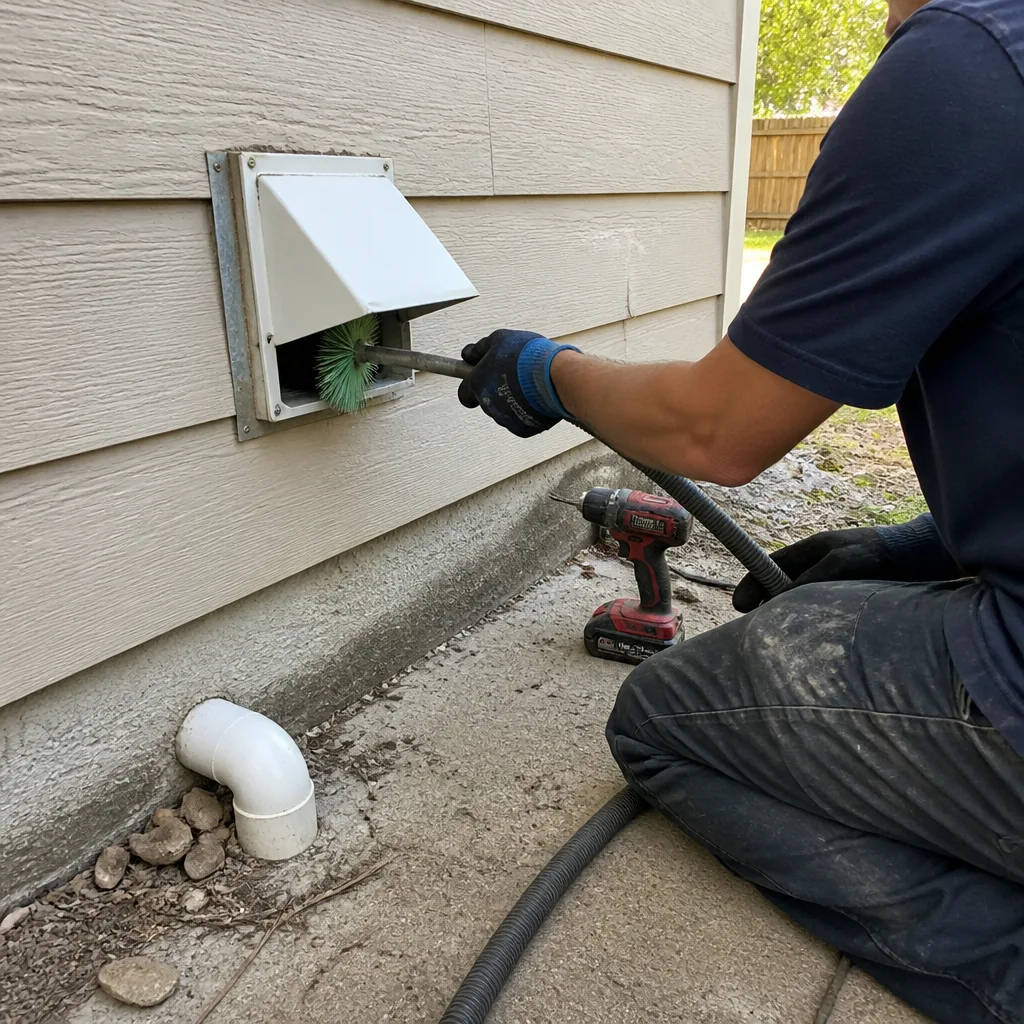 After
After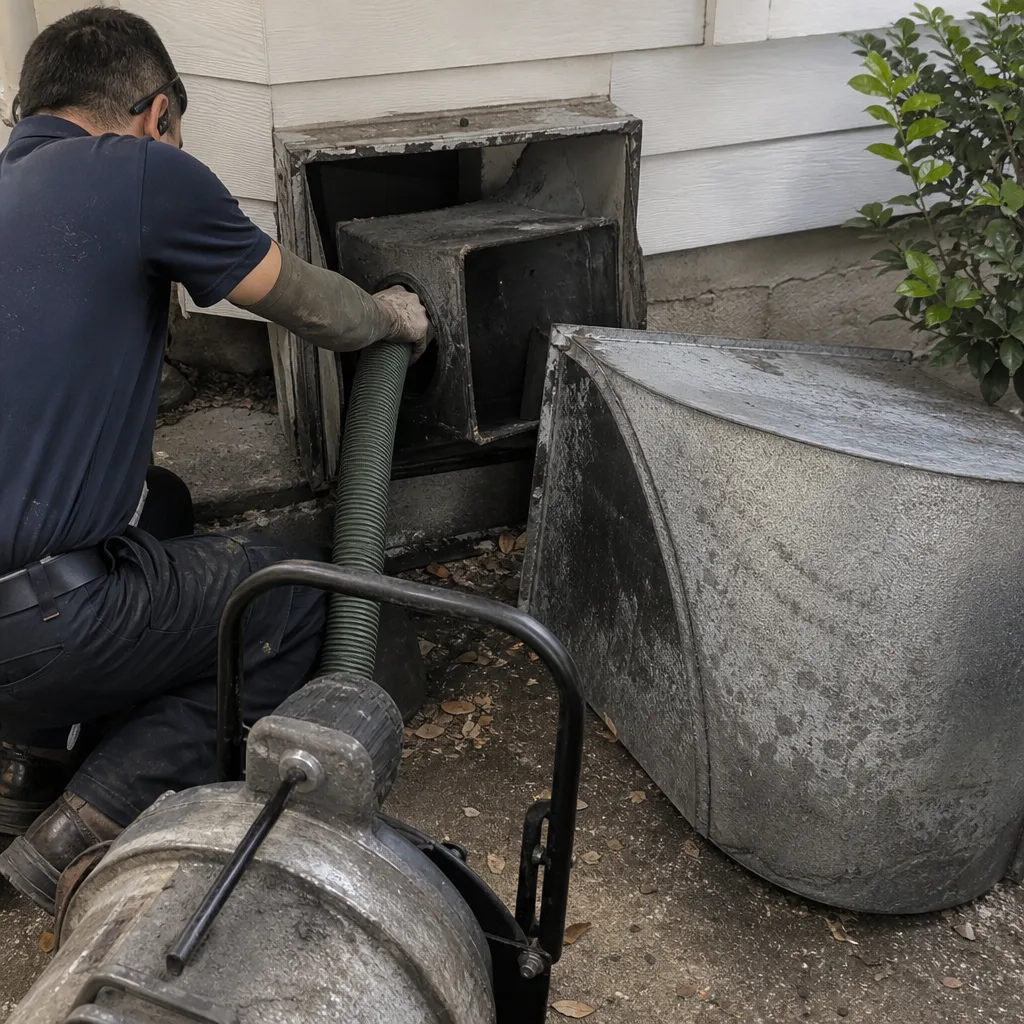 Before
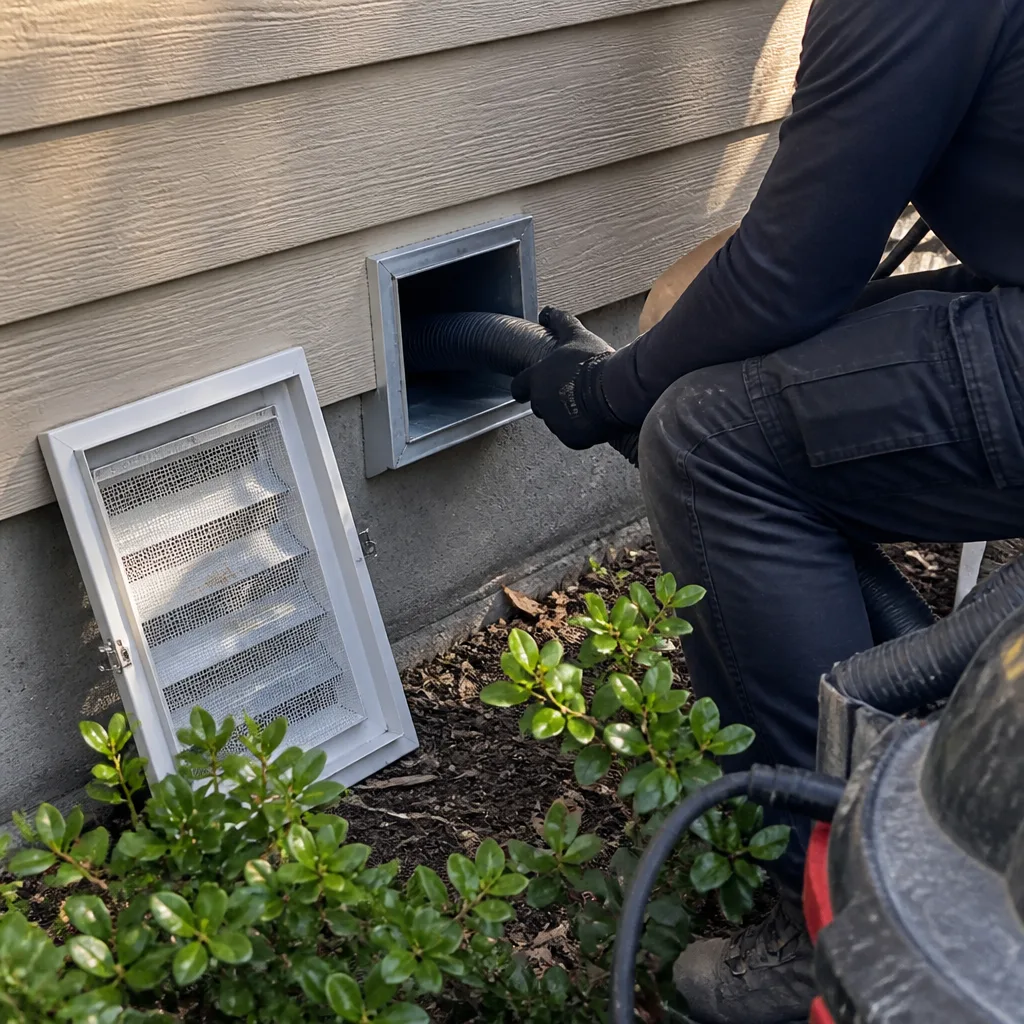 After
AfterWhat Honeywell Air Duct Cleaning Costs in Austin
You’ll get one number in writing before we start. Here’s what drives it for Honeywell-equipped homes.
- Single-system home, full clean, no ERV/UV: $450 – $650
- Two-story home with two systems: $650 – $950
- Add ERV core cleaning: $95 – $150
- Add UV lamp housing and coil-cabinet clean: $100 – $180
- Add zone damper cleaning and recalibration: $75 – $120 per damper
What moves the price most is house size and the number of system components. Not how dirty we say it is. Not a “premium service tier” we pitch mid-appointment. The final number on your written estimate is the number you pay. Call (940) 283-6595 and we’ll quote your system, same call, free of charge.
Why Austin Homeowners Call Cardinal Air Duct Austin for Honeywell Work
Because you own a Honeywell system and you deserve better than a generic duct cleaner who doesn’t know the difference between a media cabinet and a return grille. Omar Haddad built Cardinal Air Duct Austin on a simple standard: show up with professional equipment, explain what you find, and charge exactly what you wrote down. The Relay Visibility Guarantee means every booking comes with a trackable arrival, before-and-after photos, and a digital invoice. That’s the whole point of hiring a specialist. And yes, our techs also service systems built around Lennox, Trane, and Carrier equipment, so if you switch brands or have mixed equipment, we don’t blink. Clean air isn’t a luxury – it’s just what your system was built to deliver.
FAQs
No. Cleaning the air ducts is normal maintenance and doesn’t affect the manufacturer’s warranty on Honeywell components. What voiding actually looks like is someone who doesn’t know the equipment going in and damaging parts. We power down UV lamps properly, bypass controls, and photograph everything before and after. If a Honeywell part fails during the process due to our error, we repair or replace it, and we write that on the estimate.
Most single-family homes with one HVAC system take 3 – 5 hours, including the Honeywell component cleaning and the before-and-after photos. Two-story homes and homes with ERVs or multiple UV assemblies take longer, and we’ll tell you the time estimate when we book. Call (940) 283-6595 and a live person will give you the actual window.
Mostly, yes. Austin’s oak-heavy spring and our long, dry summers mean returns and media cabinets see a lot of fine particulate. Honeywell F300 media filters pull much of it, but the bypass side still loads up. We tell customers with mature oak trees to plan on a full cleaning every 3 – 4 years instead of every 5 – 7. If you have pets, lean closer to 3.
No – UV lamps are replaced, not cleaned. We clean the housing, the coil surfaces the lamp is designed to treat, and the downstream duct. The bulb we inspect. If it’s beyond its rated life (typically 12 – 24 months depending on the model), we’ll recommend replacement and we’ll show you the hours on the unit.
Because they’re bait. Some companies quote a teaser price, get a van in your driveway, then “find” mold, extra vents, or a “deep clean” required. We price the whole system before work begins, and that number doesn’t change at the door. Our price includes the equipment we actually use – Rotobrush contact cleaning and Nikro negative-air extraction – and a written guarantee. That’s the only honest way to run a duct cleaning business.
Written by Omar Haddad, Owner, Cardinal Air Duct Austin at Cardinal Air Duct Austin, serving Austin and nearby areas.