
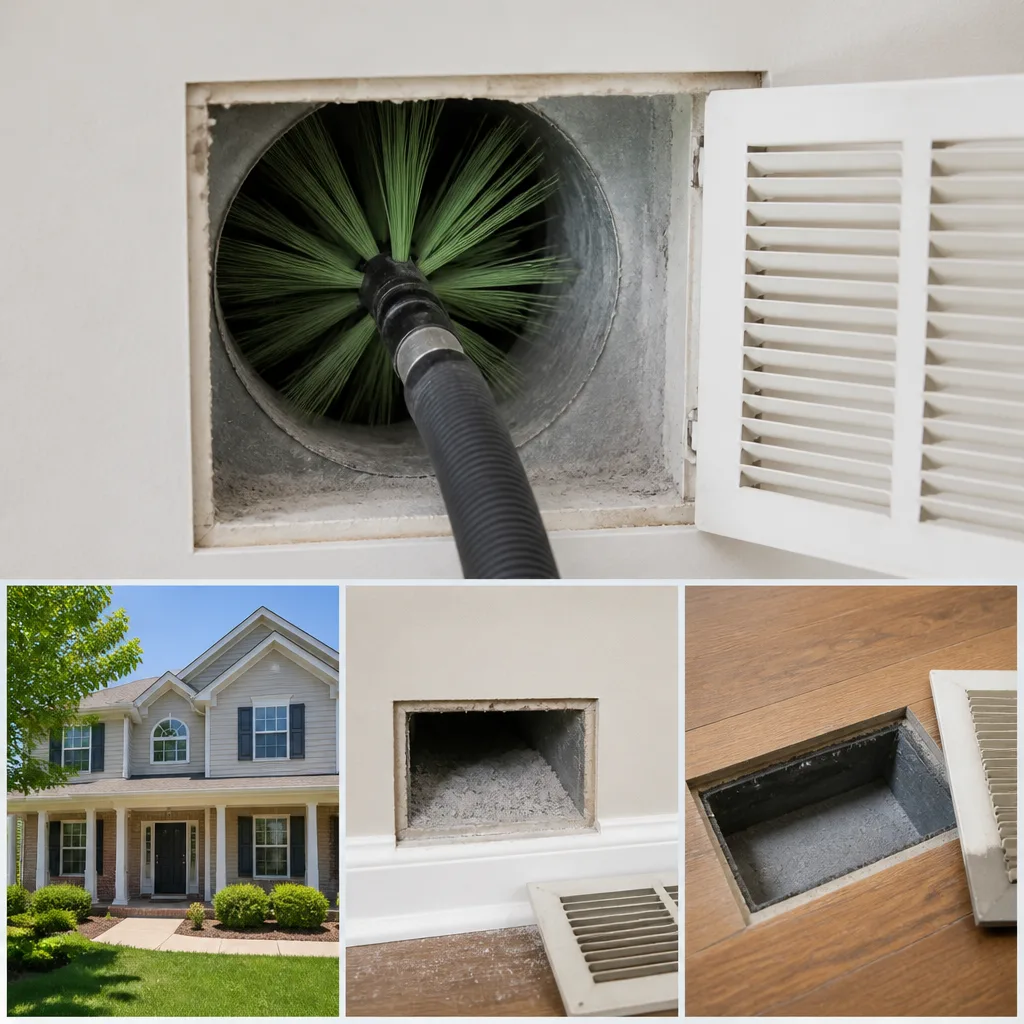
 Whole-home duct cleaning
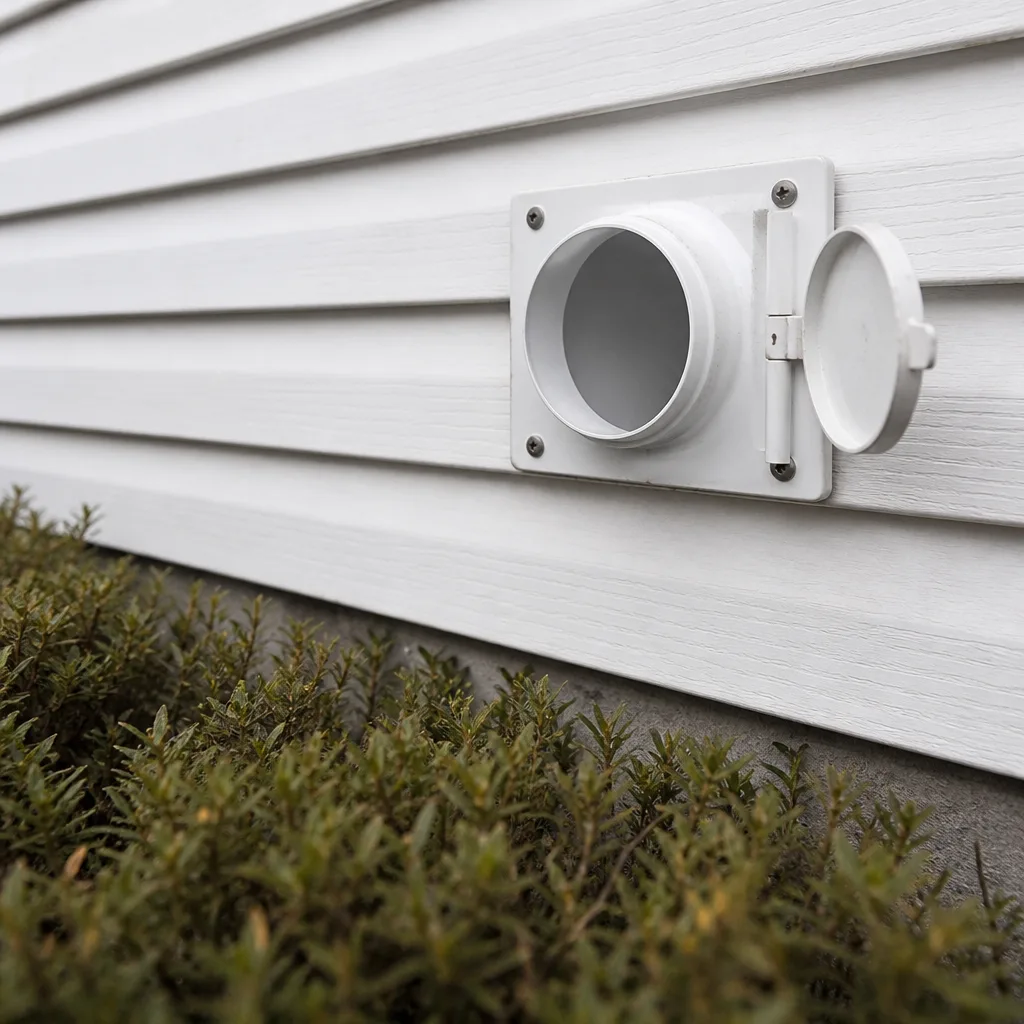 Dryer vent cleaning
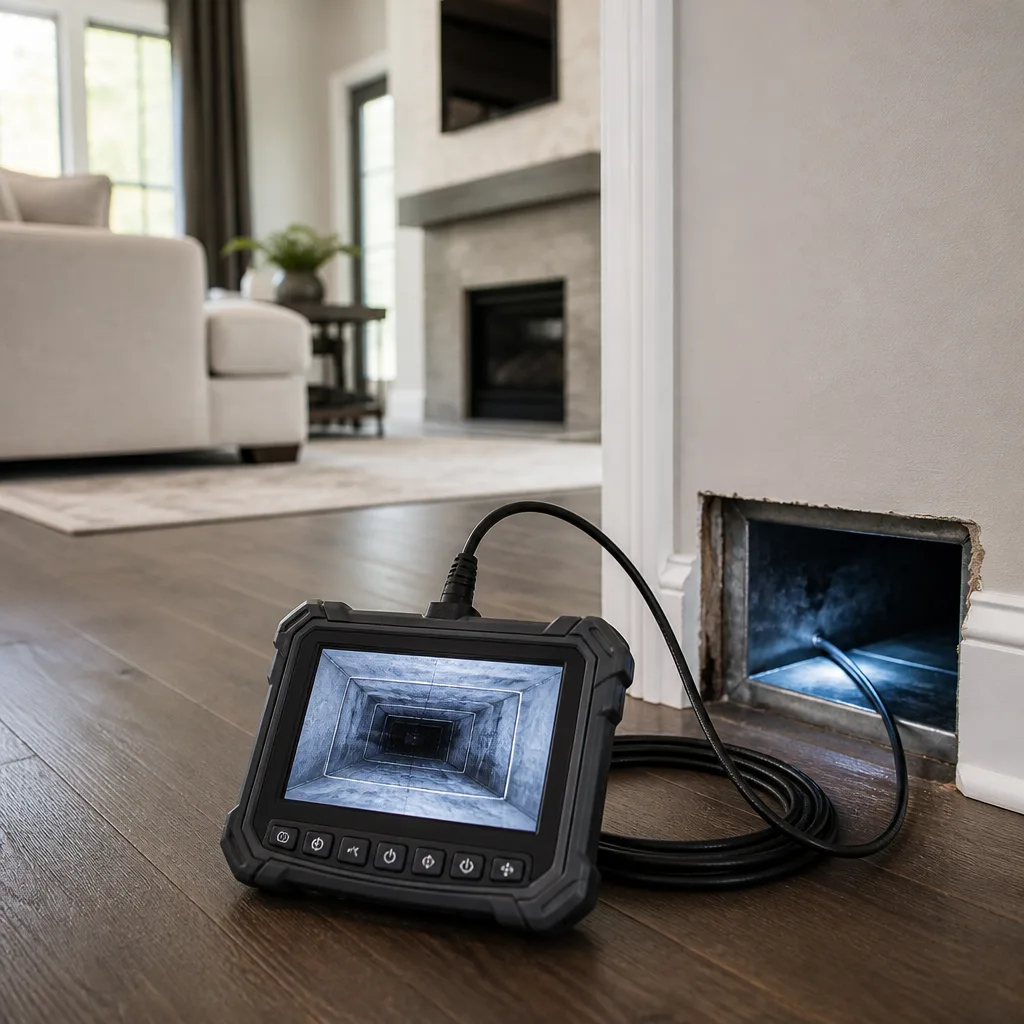 Camera inspection
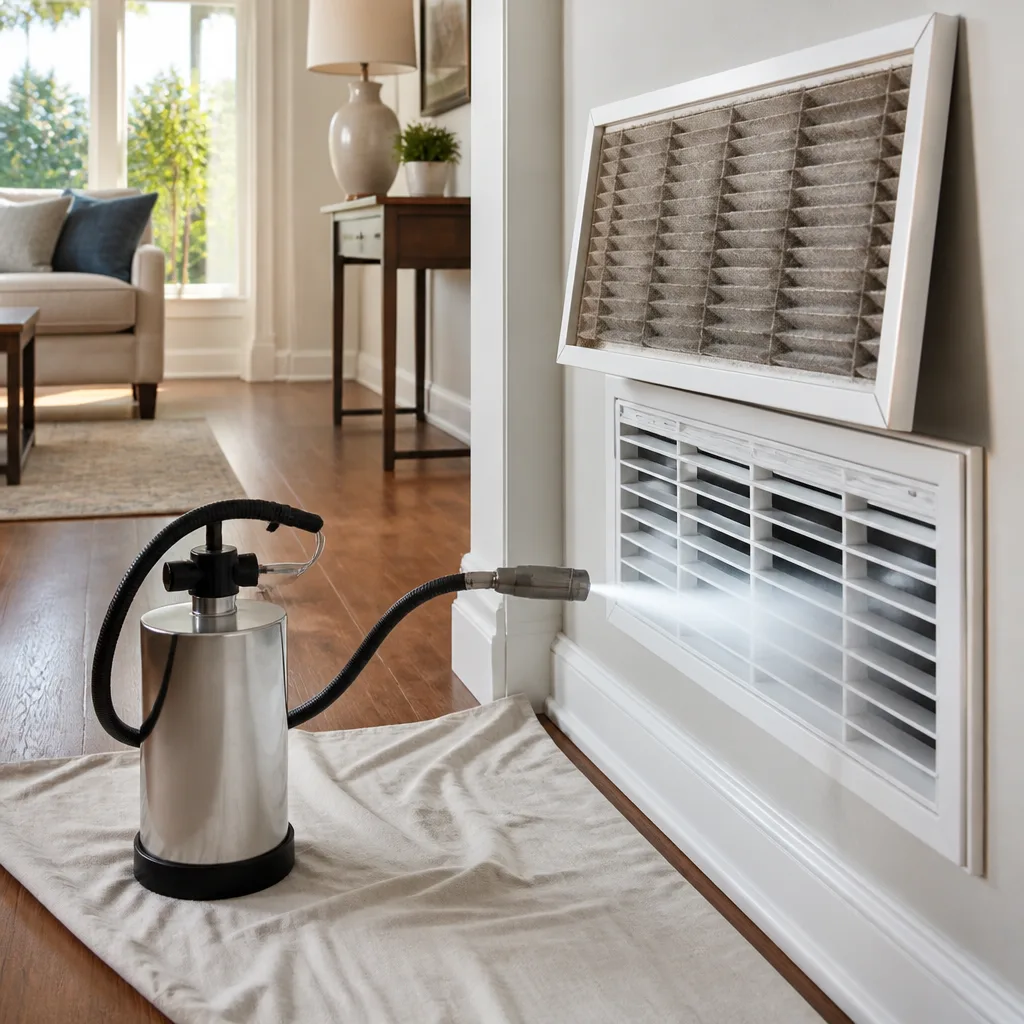 Sanitizing & deodorizing
Whole-system duct and dryer vent check with before-and-after photos - you see exactly what came out of your vents
That "$99 whole-house special" is a bait ad - the real number appears once they are in your hallway, or the "clean" is a shop-vac at the register. We photograph the inside of your ducts before and after instead.
Guardsman Duct Sealing & Repair: The Austin Owner’s Guide
If you have a Guardsman duct sealing system that’s failing, we stock compatible Guardsman sealing collars, mastic tapes, and repair hardware, and most duct sealing jobs in Austin run between $325 and $680 installed. We can typically match your Guardsman model on the first visit and complete the repair the same day we diagnose it. The usual way homeowners catch this problem: they notice dust reappearing on registers weeks after a cleaning, or a musty smell that comes and goes with the AC cycle, especially after the first hard Texas summer heat hits the attic.
Which Guardsman Models This Applies To
Guardsman sealing products are installed as part of a duct system rather than as standalone appliances, so the compatibility question is less about a model number and more about the sealing method and material already in place. We work with Guardsman’s foil-backed butyl tape, water-based mastic sealant, and the rigid sealing collars used at plenum and register connections. If your original install used Guardsman mastic, it’s stamped on the bucket label or you’ll see the dried gray mastic with a slightly rubbery texture at the joints. The foil tape version is easy to spot: silver-backed, embossed with the Guardsman name every twelve inches.
OEM Guardsman material is what we recommend for matching an existing Guardsman sealing job, because mixing mastic types (acrylic over butyl, for example) can create adhesion failure within a season. A quality aftermarket mastic from a brand like Hardcast or Design Polymerics works fine when we’re redoing a full section rather than patching, but for spot repairs, matching OEM matters. One compatibility gotcha we see in Austin attics: Guardsman butyl tape loses adhesion above about 140°F, so in an unvented attic during August, the tape can peel at the seams even when the seal looked fine in spring. That’s why we check attic temperature history when diagnosing a recurrence. Omar Haddad has pulled failed tape from more Tarrytown attic plenums than he can count, and it’s almost always a heat cycle issue, not an installer error.
Styles & brands we work with
Signs Your Guardsman Duct Sealing & Repair Is Failing
- Dust on registers right after a cleaning. When the seal at the return side breaks, attic air (which is full of insulation fibers and fine dust) gets pulled into the duct stream, bypassing your filter entirely. You’ll see gray-brown dust on supply registers within two to three weeks of a duct cleaning.
- Musty smell that appears with the AC, not all day. A small separation at the return plenum pulls humid attic air into the system. The warmth and moisture create the musty note only when the blower runs. In Austin’s humid months from May through September, this symptom is the most common first indicator.
- Rooms that used to cool evenly now run 3-5°F warmer. A duct leaking 15% of its airflow doesn’t just waste air, it drops static pressure and starves the farthest registers. You feel it first in the rooms at the end of the longest duct runs.
- Higher electric bills without a change in usage or equipment. A 10-15% rise across a summer billing cycle, with a clean filter and a serviced condenser, usually points to duct leakage. We’ve confirmed this pattern on hundreds of Austin homes, and the math is consistent: leaked conditioned air means the system runs longer to hit the same thermostat setpoint.
- Visible separation or flaking mastic at accessible joints. In attics, look for gaps where the foil tape has lifted at the corners or gray mastic that has become brittle and cracked. In crawl spaces, the same failure shows up as sections where the seal has peeled away from the register boot, often from humidity swings.
See the difference
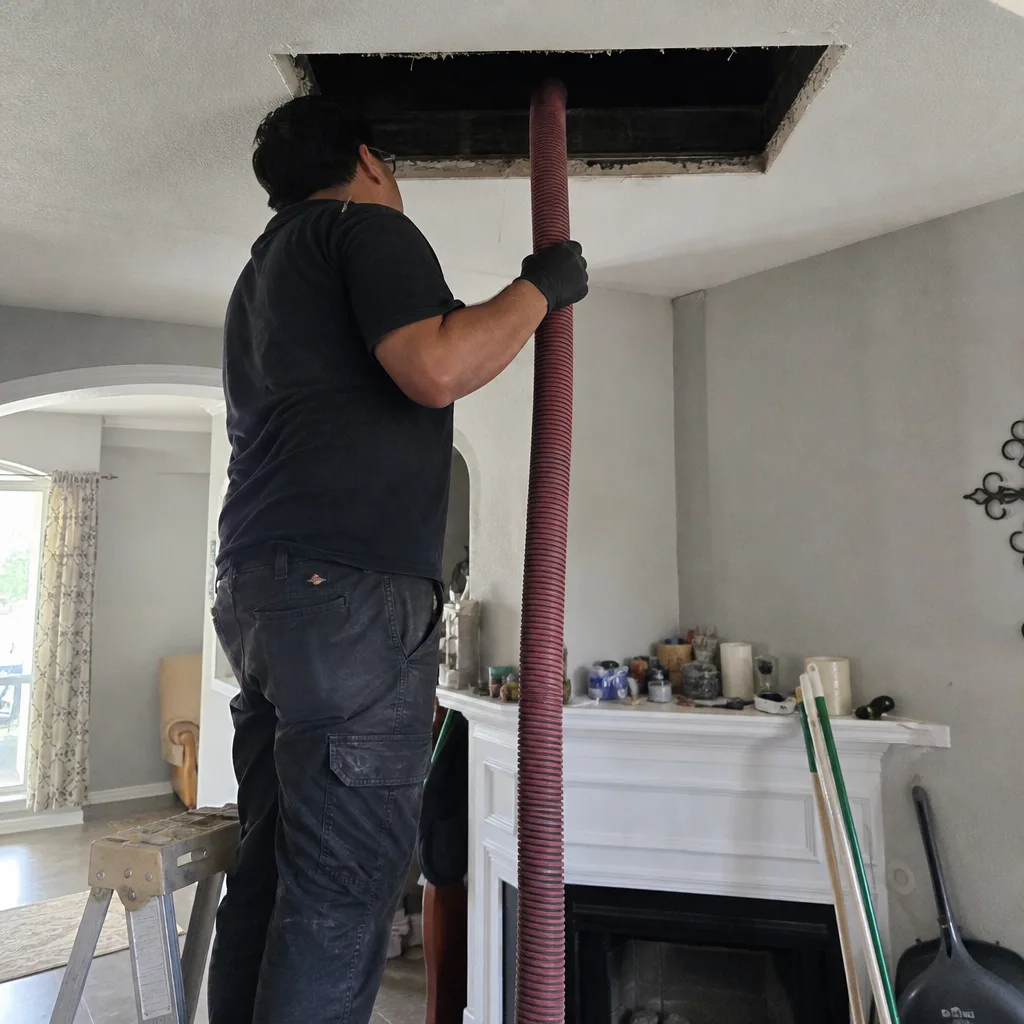 Before
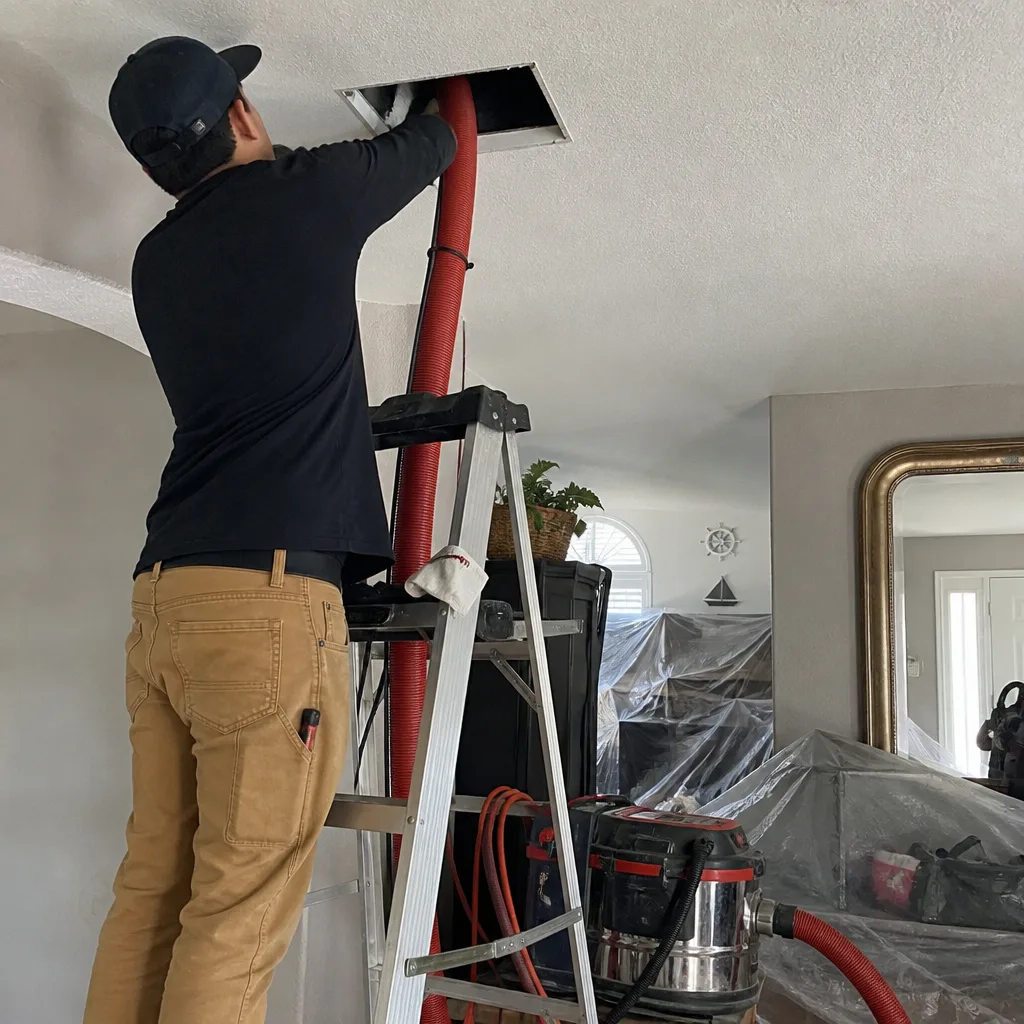 After
After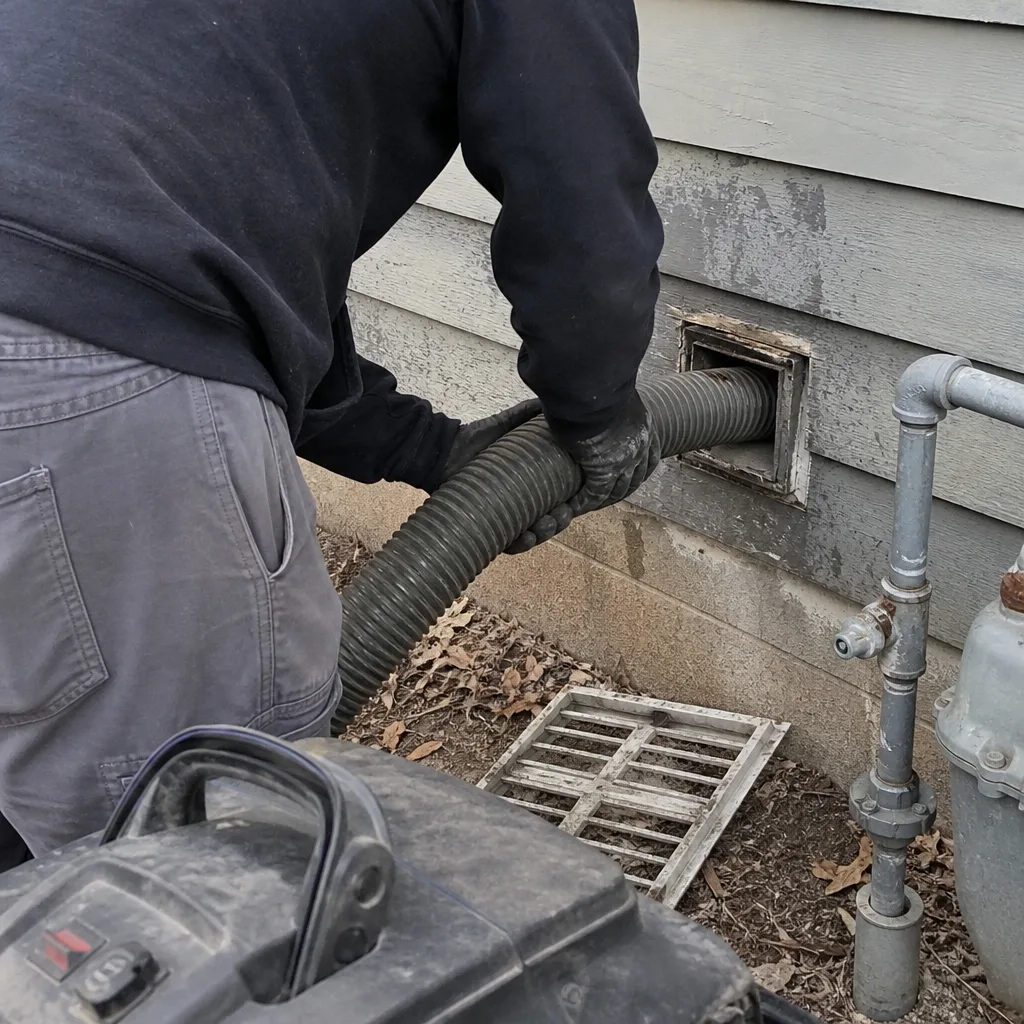 Before
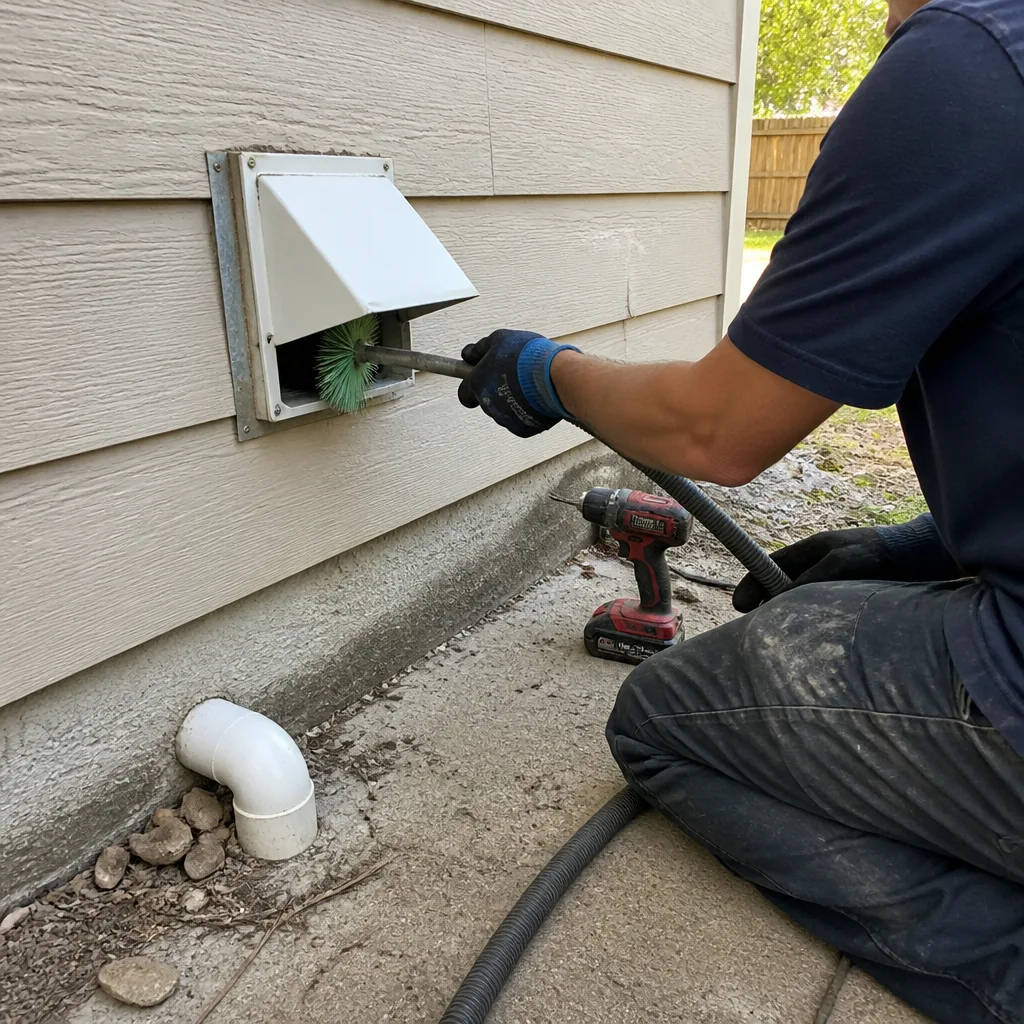 After
After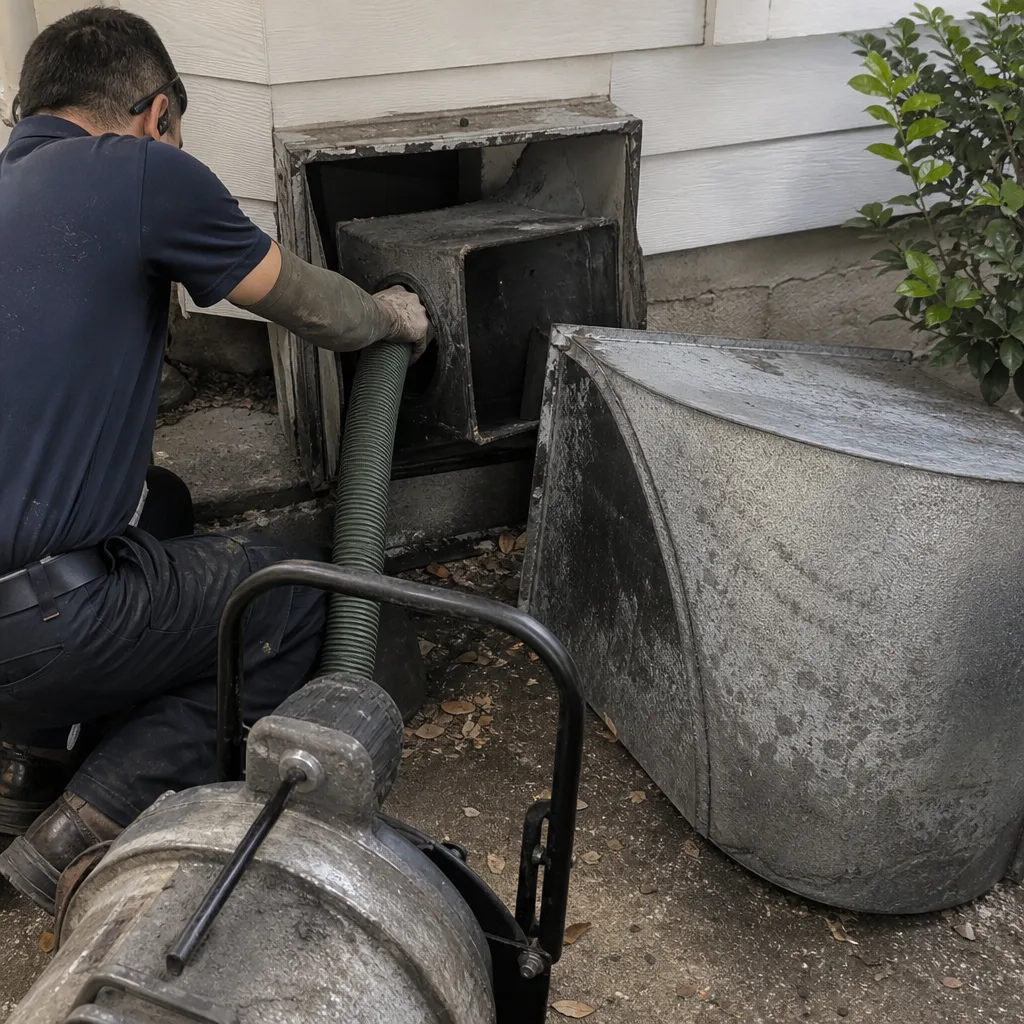 Before
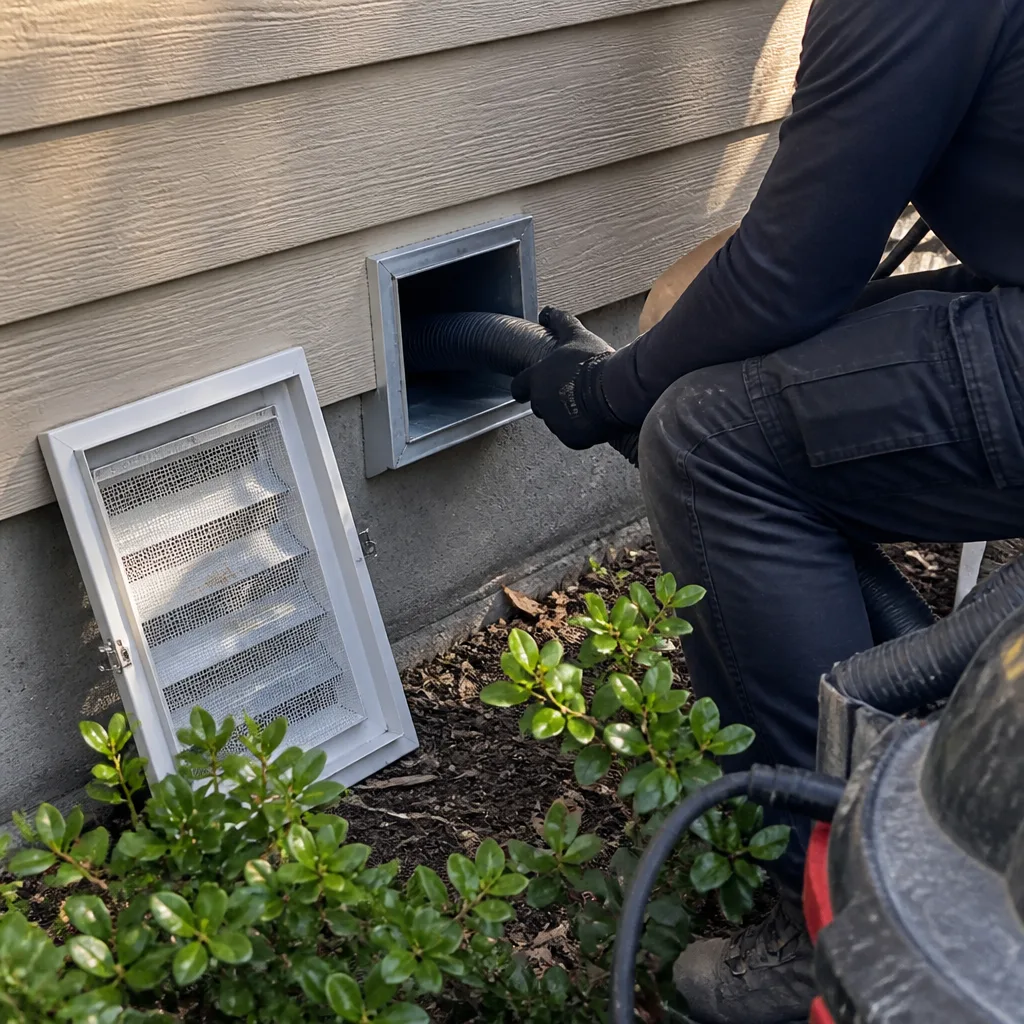 After
AfterReplacement Cost & What’s Included
Most Guardsman duct sealing repairs in Austin run between $325 and $680 installed, depending on access and how many joints need work. A single failed return plenum connection might land around $325 to $450. A full resale of all accessible joints in a 2,000-square-foot home with attic access typically runs $550 to $680. The main variables are attic access (stairs versus scuttle hole), the number of joints, and whether we’re matching existing Guardsman material or replacing a failed section with a new seal entirely.
Every quote is a written price before work starts, and it doesn’t change at the door. You get the line-item cost for materials and labor, and the repair carries a written guarantee. If the seal fails within 365 days, we come back and fix it at no charge – that’s the Done Right Promise, and it applies to every sealing job we do, no exceptions. No per-vent pricing games, no bait-and-switch. The number you approve is the number you pay.
DIY or Call Us?
Sealing ducts is not a high-voltage hazard like electrical work, but it’s unforgiving in ways that make DIY frustrating and often ineffective. You can safely inspect accessible joints yourself: look for gaps in the tape, cracked mastic, or separation where the flex duct meets the rigid boot. The photo you take on your phone is genuinely useful to us when you call. What goes wrong in DIY sealing: most people use the wrong mastic for the temperature range their attic actually hits, or they apply sealant without cleaning the surface, and the new seal fails within one season. Then they pay twice.
If the joint is at the plenum or in a tight attic corner, skip it. Attic work in an Austin summer is a 130°F environment, and sealing properly while balancing on joists is not worth an ER visit. We run background-checked, uniformed techs who do this work every day, and we bring professional-grade materials rated for our climate. Call (940) 283-6595 and we’ll give you a straight answer about whether it’s a job we should handle or one you can safely inspect and leave alone.
FAQs
Guardsman duct sealing typically lasts 8 to 15 years in Austin, but attic heat is the biggest variable. In an unvented attic that hits 140°F in summer, butyl-backed tape can start peeling within 5 to 7 years. Mastic-based seals hold up better, often reaching 12 to 15 years. If you want a precise lifespan estimate for your home’s system, call (940) 283-6595 and we’ll assess your attic conditions.
Yes, if the failure is localized, meaning one or two joints with lifted tape or cracked mastic, a spot repair is usually effective and less expensive than a full reseal. The repair involves cleaning the area, applying a fresh matching seal, and confirming the connection is tight. If the failure spans many joints or the original mastic is failing across the system, a full accessible-joint reseal is the smarter long-term fix. Call us for an honest read on which applies to your system.
Most single-joint repairs take 45 to 90 minutes from setup to cleanup, and a full reseal of accessible joints in an average Austin home takes half a day. The time depends on attic access and how many joints need attention. You’ll get a written time estimate with your price, and you’ll know the tech’s name before they arrive.
Yes, our trucks carry Guardsman-compatible mastic, foil tape, sealing collars, and repair hardware in the most common sizes and types for Austin homes. We also carry sealing products that work with Lennox, Trane, and Carrier duct systems, since many Austin homes have mixed brands across their HVAC setup. If your home needs a specific Guardsman product we don’t have on the truck, we can usually source it same week from our local distributor.
Written by Omar Haddad, Owner, Cardinal Air Duct Austin at Cardinal Air Duct Austin, serving Austin and nearby areas.