
Last updated October 15, 2026
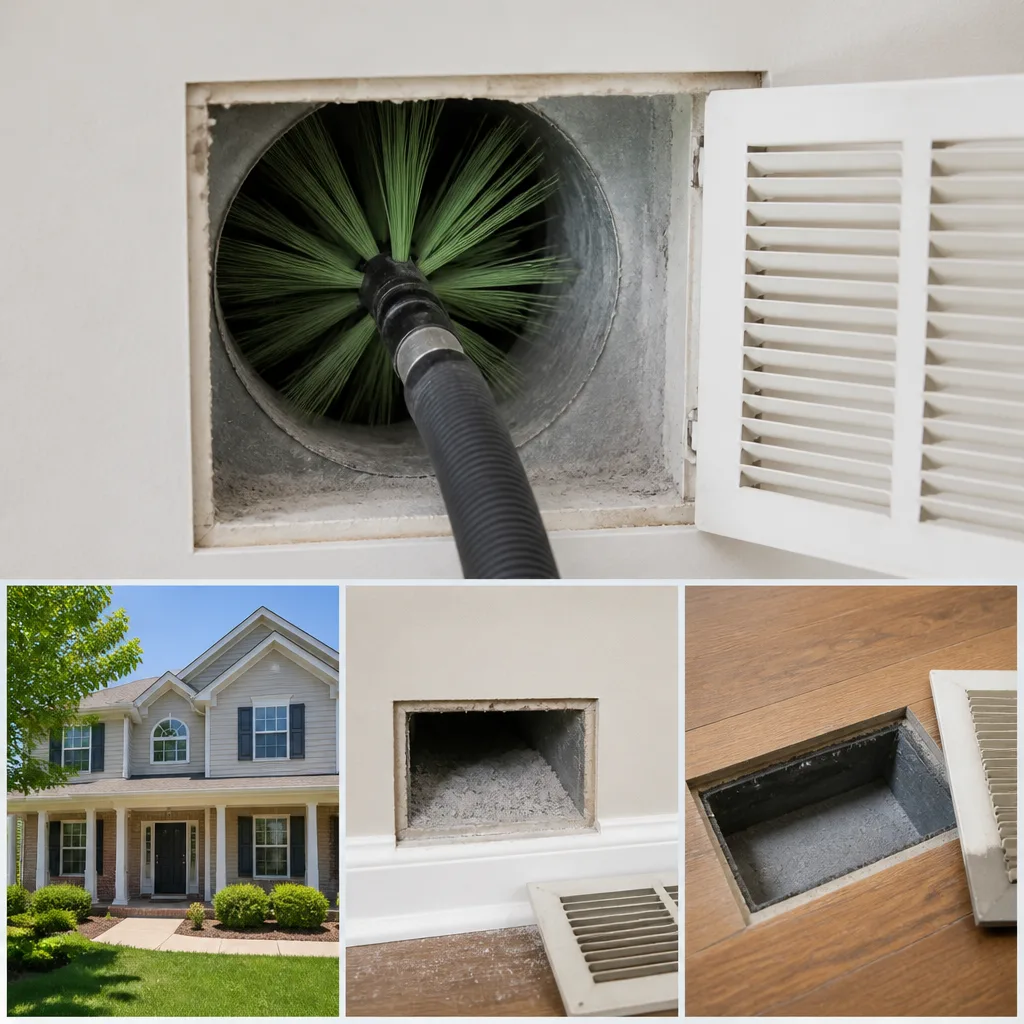 Whole-home duct cleaning
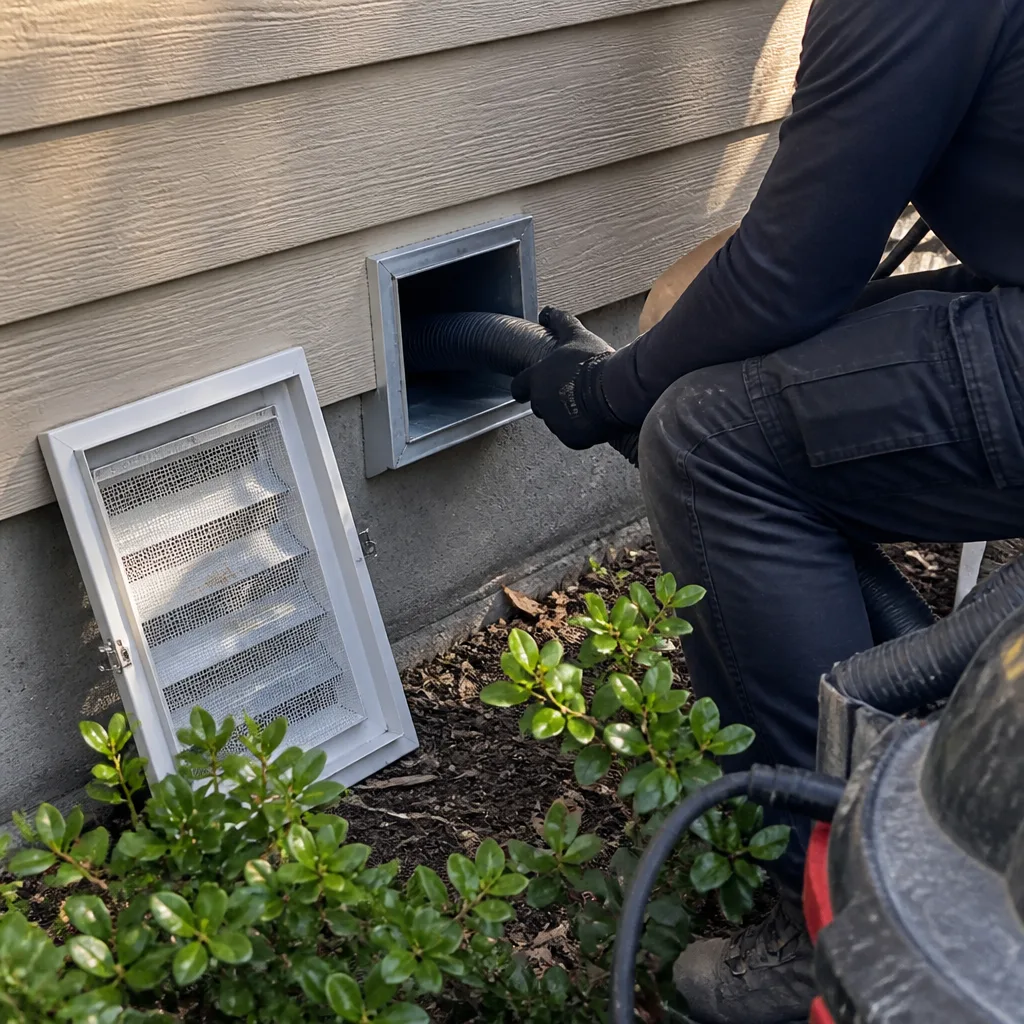
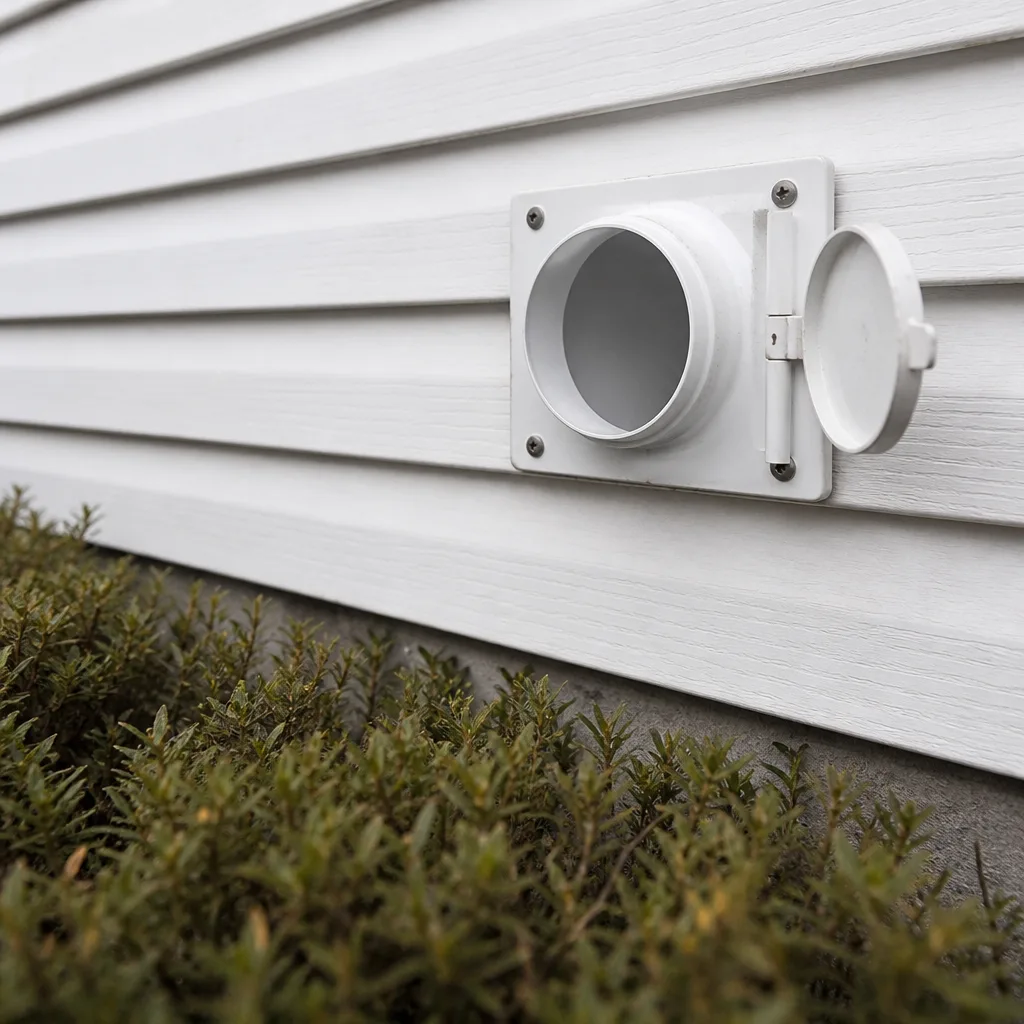 Dryer vent cleaning
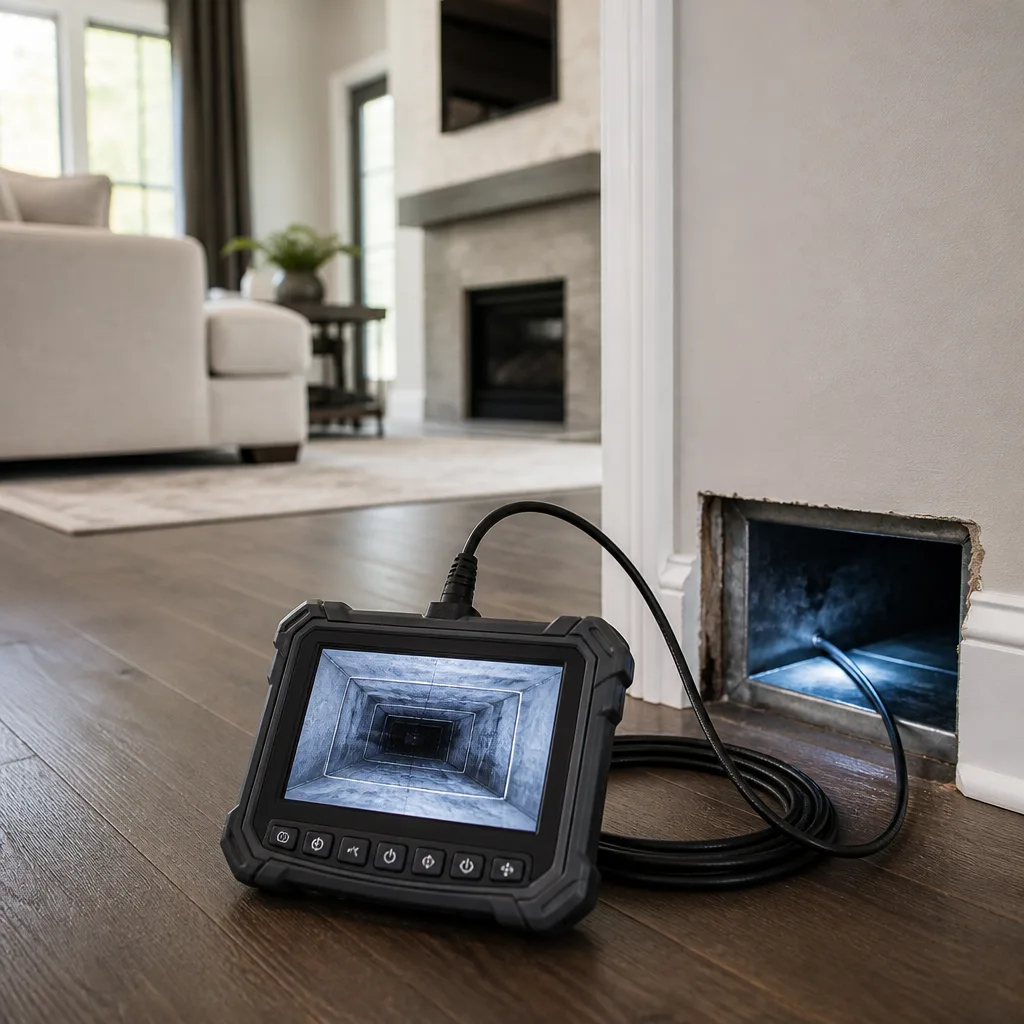 Camera inspection
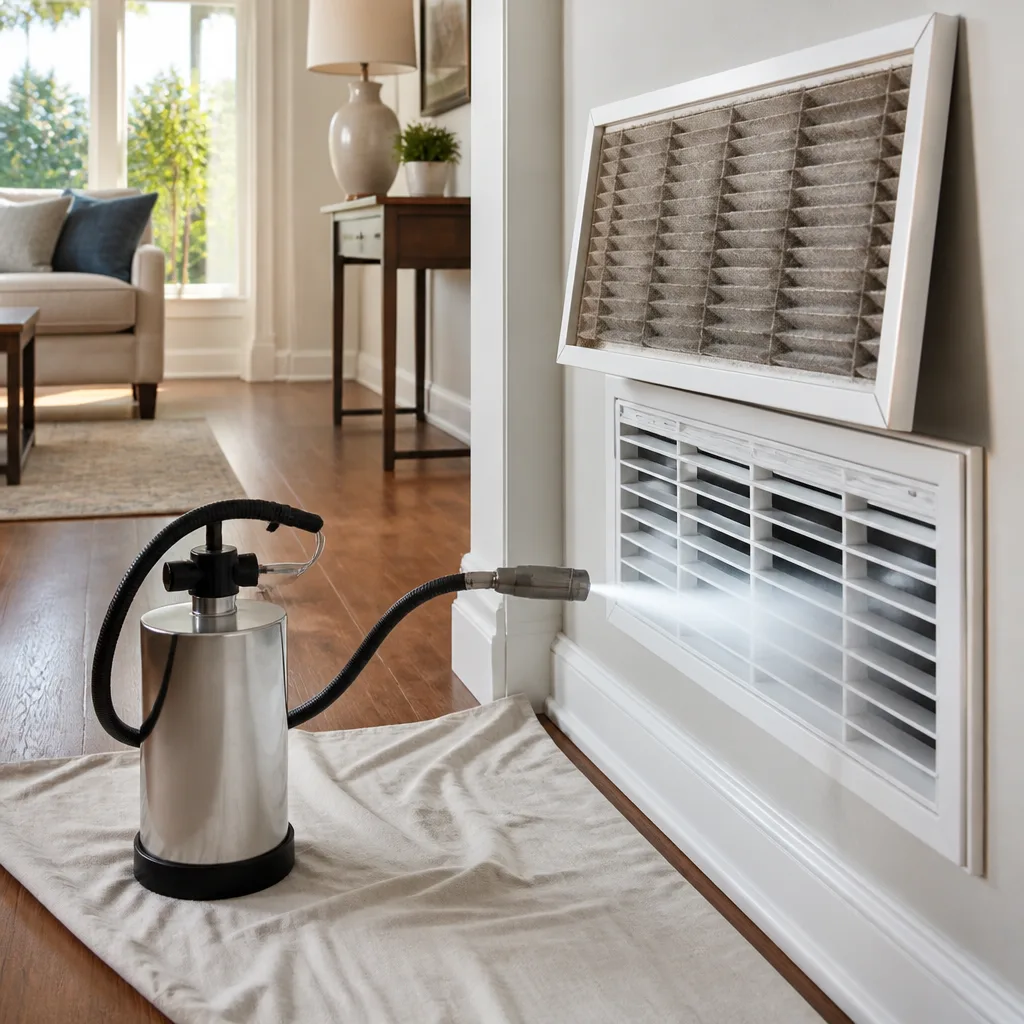 Sanitizing & deodorizing
Whole-system duct and dryer vent check with before-and-after photos - you see exactly what came out of your vents
That "$99 whole-house special" is a bait ad - the real number appears once they are in your hallway, or the "clean" is a shop-vac at the register. We photograph the inside of your ducts before and after instead.
How to Hire a Air Duct Cleaning Contractor in Austin: A Step-by-Step Guide
The FTC has issued formal consumer alerts about air duct cleaning scams, and Austin’s explosive growth has made our city a magnet for exactly these operations. A $49 whole-house special sounds great until a technician stands in your living room explaining why you actually need $1,400 in “necessary” add-ons. This guide-along with our Seasonal Air Duct Cleaning Care for Austin: Year-Round Homeowner’s Guide-gives you a five-step hiring process that filters out bait-and-switch contractors before they ever ring your doorbell. We’ve seen what legitimate work looks like in Austin homes, and we’ll walk you through how to find it.
Styles & brands we work with
Quick Answer
Hiring a trustworthy air duct cleaning contractor in Austin comes down to five steps: verify Texas liability insurance, confirm NADCA certification, ask about specific equipment (negative-air machines and HEPA filtration), demand a written flat price before any work starts, and check how they document the job afterward. A legitimate Austin duct cleaning company will answer all of these without hesitation. If a contractor stalls on any one of them, that’s your signal to move on.
Table of Contents
- Why Austin Has a Duct Cleaning Fraud Problem
- The Five Pre-Hire Questions That Expose Bait-and-Switchers
- Verifying Texas Liability Insurance for Your Home Type
- What NADCA Certification Actually Requires (and What Companies Fake)
- The Equipment Checklist: What Legitimate Contractors Bring
- What a Written Price Guarantee Looks Like in Practice
- What Air Duct Cleaning Actually Costs in Austin
- How to Confirm the Work Was Actually Done
- Common Mistakes to Avoid
- When to Call a Professional
- Frequently Asked Questions
- The Bottom Line
Why Austin Has a Duct Cleaning Fraud Problem
Austin adds roughly 150 new residents every day. That means tens of thousands of new homeowners, renters, and property managers each year who have never hired a duct cleaner before. Scammers know this. They run Facebook ads with $49 or $79 whole-house specials, book a swarm of appointments, and send out technicians whose real job is to sell, not clean.
The Federal Trade Commission has published consumer alerts warning specifically about duct cleaning promotions that underprice the job to get inside. Here’s the playbook these companies run in Austin neighborhoods from Round Rock to Buda:
- Step one: Advertise an impossibly low flat rate for a whole house.
- Step two: Send a technician who spends 20 minutes “inspecting” your ducts.
- Step three: Show you dust, mold-looking discoloration, or “blockages” and tell you the original price only covers a basic sweep.
- Step four: Present an urgent upsell: mold remediation, sanitizing fog, filter upgrades, or “deep cleaning” that triples the invoice.
- Step five: Pressure you to sign on the spot, often with a discount that’s only available “today.”
This is not a rare occurrence. It’s the dominant model for trunk-slammer operations in Austin. The five-step process below is designed to make their pitch fall apart in the first phone call, before they’re ever standing in your hallway.
The Five Pre-Hire Questions That Expose Bait-and-Switchers
Before you book anything, call the company and ask these five questions. A legitimate Austin duct cleaning contractor answers all five without hesitation. An evasive answer is not a red flag you should rationalize. It’s the end of the conversation.
1. “Are you NADCA certified?”
What to listen for: A direct yes or no, plus the ability to tell you what NADCA certification involves. If the person on the phone says “we follow NADCA standards” but won’t confirm certification, that’s wordplay. “Following standards” and being certified are not the same thing. More on this below.
2. “Do you carry Texas liability insurance, and will you send me a certificate before booking?”
What to listen for: Immediate confirmation, usually followed by “we can email a COI right now.” Insurance certificates are routine documents. A company that stalls on this either doesn’t have coverage or doesn’t want you to see the policy limits. Either way, you’re the one exposed if a technician damages your ductwork or injures themselves on your property.
3. “What equipment do you use?”
What to listen for: Specific equipment names. Negative-air machines. HEPA filtration. Rotary brush systems. If you hear “we have professional-grade vacuums” with no detail, that’s a shop-vac operation. A real contractor can name the machines they bring, because they invested in them. In Austin, we run Rotobrush rotary brush systems paired with Nikro HEPA-rated negative-air vacuums. Names matter because they’re verifiable.
4. “What’s your price for a standard single-family home, and is it written?”
What to listen for: A real number or a tight range, stated over the phone, followed by confirmation that the price goes in writing before anyone touches a duct. If they won’t give a number until after an “inspection,” the inspection is a sales call. More on written pricing below.
5. “How do you show me the work was done?”
What to listen for: Before-and-after photos, camera inspection footage, or both. If a company can’t show you what they cleaned, they’re asking you to take the work on faith. Faith is not a service deliverable. At Cardinal, every booking through the Relay Standard program includes before-and-after photo documentation, so you can see the difference in your own ducts rather than trusting a thumbs-up from a technician.
Ask these five questions in your first call. Ten minutes of due diligence eliminates the companies whose business model depends on you skipping this step.
Verifying Texas Liability Insurance for Your Home Type
Texas doesn’t require air duct cleaners to carry a state license, so insurance is your only structural protection against a bad contractor. That makes verifying it the single most important step in the hiring process. A company that says they’re “insured and bonded” hasn’t told you anything until you see the certificate.
Here’s the step-by-step verification process for Austin homeowners:
- Request a Certificate of Insurance (COI) before you book. This is a one-page document issued by the company’s insurance carrier. It lists the policy number, coverage types, limits, and effective dates. Any legitimate company emails this in minutes.
- Check the coverage type. You want General Liability with a per-occurrence limit of at least $500,000. A million is better. General liability covers property damage and bodily injury caused by the contractor’s work.
- Look for “additional insured” language. Ask if they can add you to the policy as an additional insured for the day of the job. Some companies do this routinely; others won’t. It’s a strong signal of a professional operation.
- Confirm the policy is active. COIs have effective dates. Check that the policy is current for the date of your service. If the certificate is from last year, request an updated one.
- Match the address to your home type. Austin homes fall into two main construction categories: slab-on-grade foundations and pier-and-beam foundations. Pierce-and-beam homes have a crawlspace under the floor, which introduces additional variables during duct cleaning, including accessing ducts from below. Ask the company directly: “Does your insurance cover work in pier-and-beam crawlspaces?” If they don’t know what a pier-and-beam foundation is, keep looking. A real Austin contractor has worked on both types and can tell you how they handle each.
One more Austin-specific note: many newer subdivisions east of I-35 and throughout Manor and Pflugerville are slab-on-grade, while older central Austin neighborhoods like Hyde Park, Crestview, and Bouldin Creek tilt heavily toward pier-and-beam. Your home type changes the access points and the risk profile of the job. A contractor should be able to tell you that from experience, not learn it while standing in your yard.
What NADCA Certification Actually Requires (and What Companies Fake)
NADCA is the National Air Duct Cleaners Association, the only nationally recognized certification body for the duct cleaning trade. When a company is NADCA certified, it means they’ve passed an exam covering cleaning standards, safety procedures, and industry best practices. Certification must be renewed, and NADCA members are expected to follow a published code of ethics.
Here’s what NADCA certification actually requires, so you can recognize the real thing:
- A certified Air Systems Cleaning Specialist (ASCS) on staff. This is an individual certification earned through a proctored exam. A company cannot claim NADCA certification without at least one ASCS employee.
- Adherence to the NADCA Standard for Assessment, Cleaning, and Restoration of HVAC Systems. This is a technical document that defines how cleaning should be performed, including the use of negative air pressure and the requirement that all porous surfaces be cleaned rather than just vacuumed.
- Continuing education. ASCS certifications require continuing education credits to renew. If a company has held certification for years, someone on their team is staying current.
- Public verifiability. NADCA maintains a directory of certified companies at NADCA.com. You can search by city and confirm a company’s status in under two minutes.
Now, how companies fake it:
- “We use NADCA standards.” This is not certification. It’s a phrase that sounds authoritative while meaning nothing. Anyone can say it.
- “NADCA-trained technicians.” NADCA does not offer a “training” designation. Technicians either hold ASCS certification or they don’t.
- A borrowed certification number. Some companies list an ASCS number belonging to an employee who left years ago. Ask for the certified individual’s name and verify it against NADCA’s directory.
- Logos without dates. A NADCA logo on a website is meaningless without a link to the directory listing. Look for the actual verifiable record.
In Austin, there are dozens of companies claiming NADCA affiliation. The directory tells you which ones actually hold it. Check before you book. Our Air Duct Cleaning in Austin page covers the cleaning process itself if you want to see exactly what a certified cleaning should include.
The Equipment Checklist: What Legitimate Contractors Bring
The equipment a company shows up with tells you more than their marketing does. Here’s what professional duct cleaning looks like in 2025, and what to ask about before booking:
Negative-Air Machines (Required)
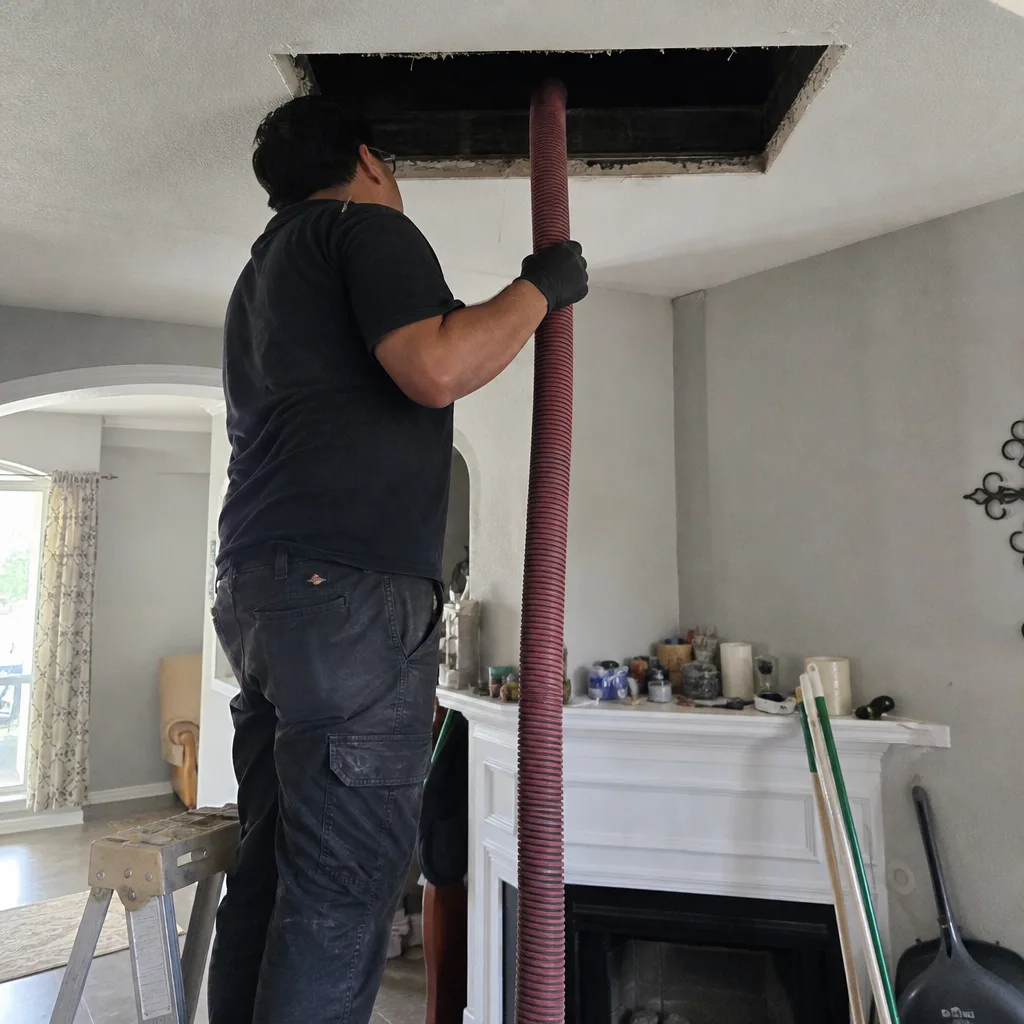
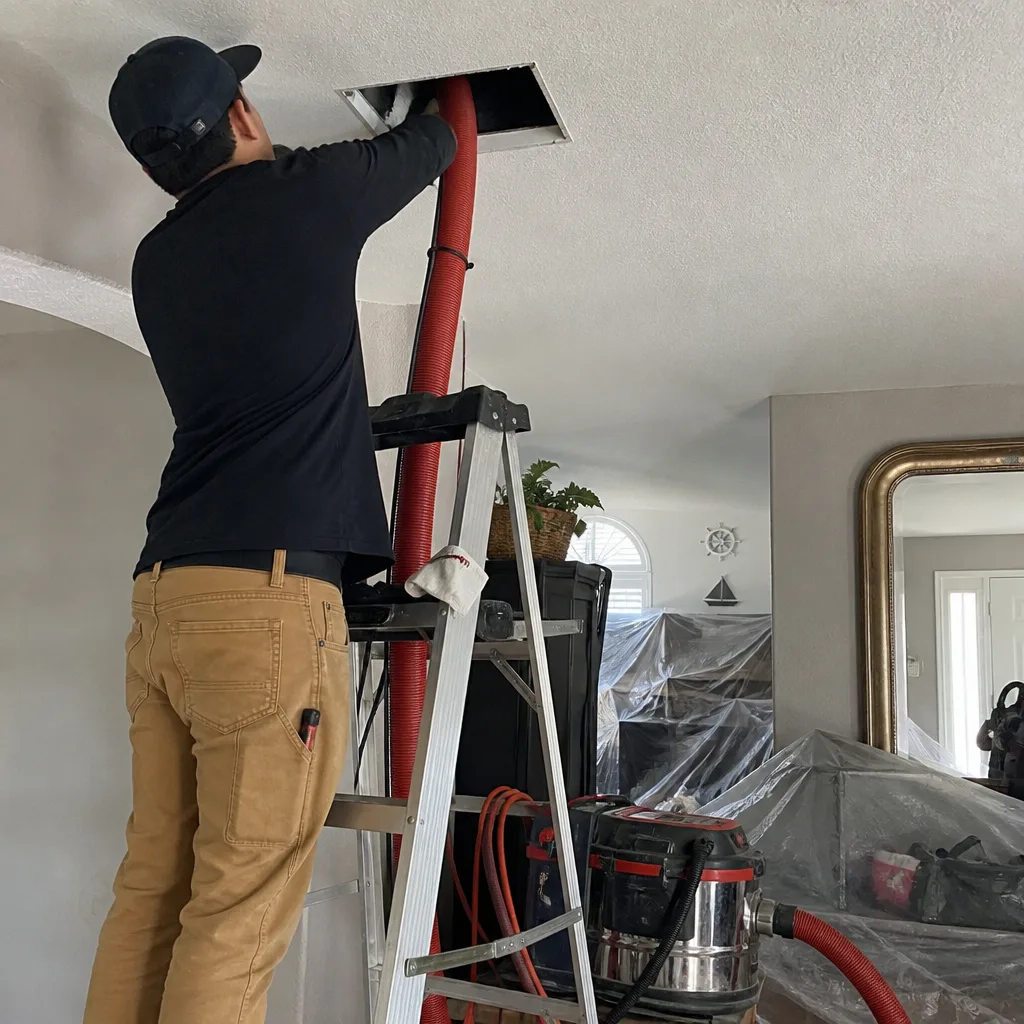
A negative-air machine creates a vacuum inside your duct system that pulls loosened debris out of the ducts and into a collection chamber. This is also called negative-pressure extraction, which means the debris goes straight into the vacuum, not back into your living room. If a company doesn’t mention negative pressure, ask directly. Without it, you’re paying for a floor vacuum attached to a long hose.
HEPA Filtration (Required)
HEPA stands for High-Efficiency Particulate Air. A true HEPA filter captures 99.97% of particles at 0.3 microns, which includes mold spores, fine dust, and allergens. The machine’s exhaust should be filtered to HEPA standards so the air returning to your home is cleaner than what went in. Ask what rating the vacuum’s final filter carries. If they can’t answer, they don’t know their own equipment.
Rotary Brush Systems (Expected for Real Cleaning)
HEPA vacuuming alone doesn’t clean ducts; it just removes loose debris. A rotary brush system uses a spinning brush on a flexible shaft to scrub the interior walls of your ductwork, dislodging caked-on dust and debris so the negative-air machine can extract it. At Cardinal, we run Rotobrush brush systems paired with Nikro HEPA vacuums. This combination is the difference between a surface sweep and an actual cleaning. If a company brings only a vacuum, they’re offering half a service.
Camera Inspection Capability (Strongly Preferred)
Duct cameras are small, flexible scopes that let the technician see inside your ducts before and after cleaning. They confirm that the work was done, they identify blockages or damage, and they provide photographic evidence you can see. A company that offers camera inspection is signaling that it wants you to verify the work. A company that doesn’t is asking for blind trust. Honeywell and Aprilaire also make accessories and filtration products that a professional-grade company can install, but the core question is what equipment they bring to the cleaning itself.
Ask for these specifics on the call. A real contractor lights up talking about their equipment because it’s the reason they charge fair prices. A bait-and-switch operation goes quiet because their equipment is a truck-mounted shop-vac.
What a Written Price Guarantee Looks Like in Practice
The single most effective filter for a scammy duct cleaner is the written price guarantee. Here’s what it means in practice, and how to enforce it:
A written price guarantee is a document, emailed or handed to you before any work begins, that states the total cost of the job, the scope of work, and the agreed-upon price. It does not change at the door. No “discovery fees,” no “surprise complications,” no “additional work that magically became necessary once the technician arrived.”
The document should include:
- A flat price for your specific home. Not a range. Not an estimate. A number based on the size of your home, the number of systems, and the scope of work. In Austin, most standard single-family homes fall between $350 and $650 for a full duct cleaning from a reputable company. You’ll find cheaper quotes, and you should be suspicious of them.
- A defined scope of work. Which ducts are being cleaned? Supply and return? How many vents? Is the main trunk line included? Are the blower and coils included or extra? Everything should be itemized so both parties know what’s covered.
- No contingency pricing. Language like “additional charges may apply based on the condition of the system” is a warning sign. The condition of your system is knowable before work starts. A professional inspects and prices based on what they see, not what they might find later.
- A guarantee policy. What happens if the work isn’t right? At Cardinal, every job falls under the 365-Day Done Right Promise. If the work isn’t right within 365 days, we return and correct it at no charge. That’s a written policy, not a verbal assurance.
Here’s how to enforce it during the hiring process:
- On the phone, after asking the five questions, say: “I want a written price for my home before I book. Can you send that?”
- If the answer is anything other than “yes,” end the call.
- If they send a range, ask for the specific number for your home’s square footage and system count.
- When the technician arrives, confirm the price before they unload any equipment. If the number has changed, send them away.
- After the work, compare the invoice against the written price. If they match, you’ve done business with a legitimate company.
This process sounds strict. It is strict. If more Austin homeowners followed it, the $49 duct cleaning scam would be out of business in a season.
What Air Duct Cleaning Actually Costs in Austin
Honest pricing is hard to find in this industry, which is why so many Austin homeowners end up confused. Here’s what we see in the Austin market for a typical single-family home with one HVAC system:
| Service Level | Typical Austin Price Range | What’s Included | What to Watch For |
|---|---|---|---|
| Whole-System Air Duct Cleaning | $350 – $650 | Supply and return ducts, main trunk line, vent covers, blower fan, coil cleaning | Prices below $200 typically signal bait-and-switch operation |
| HVAC System Cleaning (Ducts + Components) | $500 – $900 | Everything above plus evaporator coil, drain pan, blower housing | Ask if coil cleaning is included explicitly |
| Dryer Vent Cleaning | $125 – $200 | Dryer vent line, lint removal, airflow verification | Should never be folded into a “$49 whole-house special” |
| Air Duct Sanitizing or Deodorizing | $150 – $350 | Antimicrobial fogging or coil treatment (NADCA recommends only when a specific problem exists) | Request proof of product name and active ingredients |
These ranges assume a standard single-family home between 1,500 and 2,500 square feet. Larger homes, multi-system homes, or homes with significant mold or vermin contamination will push the price higher. That’s normal and should be explained clearly. What should never happen is a low advertised price that bears no relationship to the final bill.
For a more detailed breakdown of what affects pricing in Austin specifically, see our HVAC Cleaning in Austin page, which covers system-level cleaning variables like coil access, crawlspace conditions, and zoning.
How to Confirm the Work Was Actually Done
Once the technician leaves, how do you know the ducts are actually clean? This is the verification gap that dishonest companies exploit. Here’s how to close it:
1. Before-and-After Photos
Ask for photos of the duct interiors before and after cleaning. A professional operation uses camera inspection equipment to capture these images, and a company that documents its work is one that has to stand behind it. At Cardinal, every job through the Relay Standard program includes before-and-after photo documentation, so the proof is part of the booking, not an optional extra.
2. Real-Time Camera Review
Some companies, including ours, can show you the duct interior on a live tablet or phone screen before they pack up. You can see the inside of your own supply duct with your own eyes. If the duct walls are metal, they should look clean. If you see thick dust or debris after a “deep clean,” the job wasn’t done.
3. Airflow Check
After cleaning, each supply register should produce stronger, more even airflow. Hold your hand in front of a register. Compare rooms. A cleaning that didn’t change airflow likely didn’t remove blockages. If your home was built before 1990 and has flex ducts, check that the duct material wasn’t damaged by aggressive brushing. Professionals know how to clean flex duct without tearing it.
4. Written Service Report
Ask for a written summary of what was cleaned, what was found, and any recommendations. This report should match the written price you received beforehand. If the report lists “recommended additional services,” those should match what was identified before work began, not surprise findings discovered after the fact.
5. The 365-Day Test
A warranty is only as good as the company behind it. At Cardinal, every job is backed by a full-year guarantee through the 365-Day Done Right Promise. If you find problems within that year, the company returns. That’s the strongest verification: a company confident enough to guarantee its work for longer than most people remember their invoice.
Common Mistakes to Avoid
- Booking on price alone. A $49 duct cleaning in Austin is not an introductory discount. It’s a loss-leader designed to get a salesperson into your home. Legitimate companies cannot clean ducts for $49. The math does not work. The average Austin cleaning takes 3 to 4 hours of labor plus $30,000 in equipment. Anyone charging $49 is planning to make the real sale after they arrive.
- Skipping insurance verification. Texas does not license duct cleaners. The only protection you have is a contractor’s general liability insurance policy. Verify it before you book, and confirm it covers pier-and-beam crawlspace work if you have an older Austin home.
- Accepting verbal guarantees. “We’ll make it right” spoken over the phone means nothing. You need a written guarantee. If a company won’t put its promises in writing, assume those promises don’t exist.
- Trusting before-and-after photos on a company website. Any company can post filtered photos from someone else’s job. Only photos from your job, verified on your own screen or phone, count. Ask to see the camera feed live.
- Falling for mold fear tactics. Technicians who “find” mold in your ducts within two minutes of arriving are running a script. Mold testing takes time and laboratory analysis. If mold is genuinely present, it needs remediation, not a quick fog spray. Get a second opinion.
- Not asking about the cleaning method. “Duct cleaning” can mean a brush system, a negative-air extraction, or a guy with a shop vac. Ask exactly what they’ll do, in what order, and with what tools. A real contractor explains the process in plain English.
- Hiring a company with no local presence. Austin’s growth has attracted out-of-state companies that run seasonal “crews” through the city. Ask for a physical Austin address or a technician who lives and works in the Austin metro. Local accountability matters when you’re calling back about a problem.
When to Call a Professional
Not every home needs duct cleaning every year. But some situations clearly call for professional attention right away. You should call a duct cleaning contractor in Austin if you notice visible dust buildup on vent covers, if household members have unexplained allergy or respiratory symptoms that improve away from home, if you’ve had recent construction or renovation work in your home, if you can see debris inside your ducts through a vent opening, or if you’ve had a pest or rodent issue in your attic or crawlspace. These are situations where the problem is real and the fix is mechanical. Cardinal Air Duct Austin offers free estimates across Austin and surrounding areas. Call (940) 283-6595 to talk through what you’re seeing, and we’ll give you a straight answer on whether cleaning is justified.
Frequently Asked Questions
For a standard single-family home with one HVAC system, Austin air duct cleaning typically costs between $350 and $650 from a legitimate, professionally equipped company. The range depends on the home’s square footage, number of vents, system accessibility, and whether the cleaning includes components like the coil and blower. Prices below $200 should raise immediate suspicion. Call (940) 283-6595 for an exact quote on your home; estimates are free.
Because the company plans to make money inside your home rather than from the cleaning itself. The $49 or $79 special is a door-opener. Once the technician arrives, you’ll be told the basic price covers only a “surface sweep” and that your ducts actually need mold treatment, sanitizing, or component cleaning that pushes the total to $800 or more. Companies that price honestly state the real cost up front. If it seems too cheap to sustain a business, that’s because it is.
The most reliable proof is before-and-after camera footage of your own duct interiors, provided by the company on site. You should also notice improved airflow from supply registers and a reduction in visible dust collecting on furniture. Any company that can’t provide photo evidence of the work is asking you to trust them without proof. At Cardinal, we include before-and-after photo documentation in every booking, and our 365-Day Done Right Promise means if the work isn’t right, we come back and fix it at no charge.
NADCA recommends cleaning your HVAC system every three to five years. In Austin, two factors can compress that timeline: the city’s seasonal pollen counts, particularly from mountain cedar in late winter and spring, and the region’s high summer humidity, which can encourage microbial growth in ducts with poor airflow. Homes with pets, recent construction, or residents with allergies may need more frequent service. If you’re uncertain, call (940) 283-6595 and we’ll help you determine whether your system needs attention.
No. Texas does not license air duct cleaners, and NADCA certification is voluntary. That makes it a useful signal: companies that went through the effort to certify their technicians have invested in their business beyond the minimum. It’s not the only factor to consider, but combined with insurance verification and a written price guarantee, it separates professional operations from seasonal trunk-slammers.
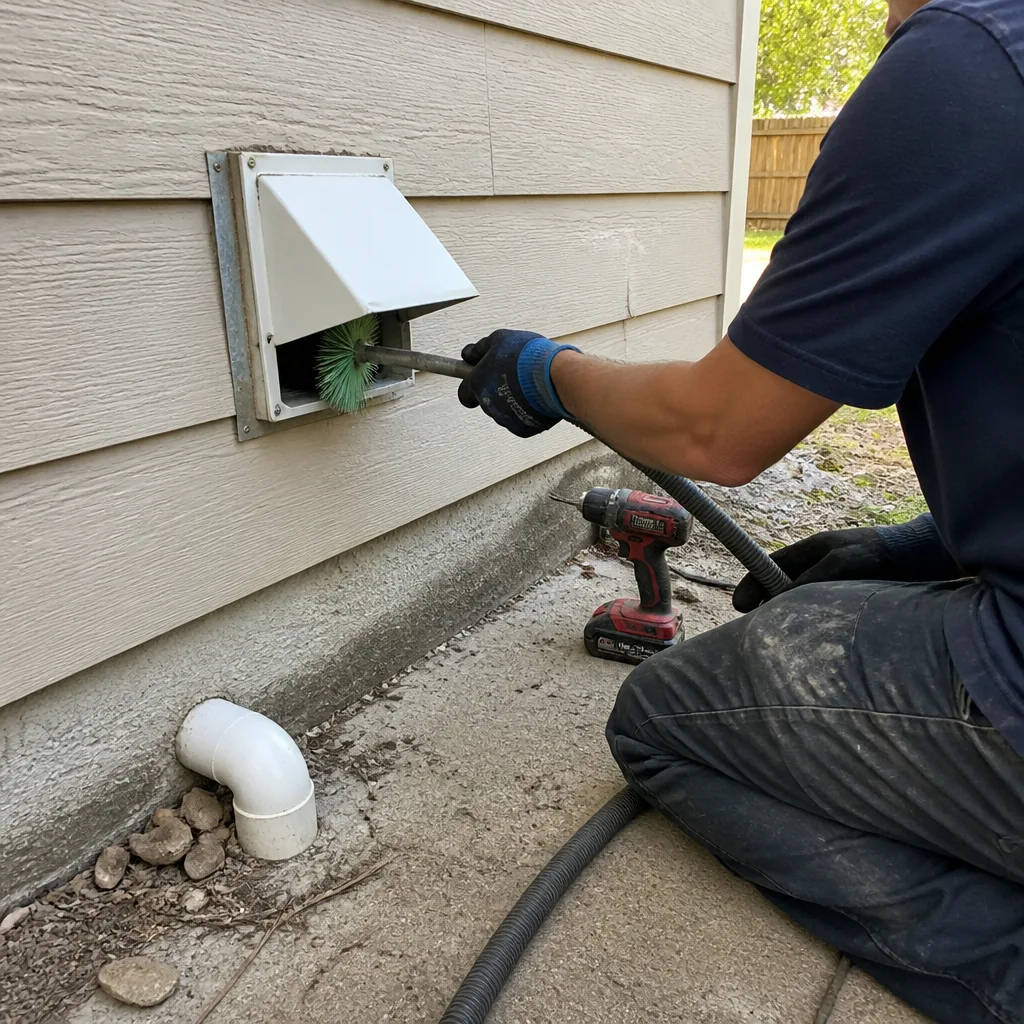
Yes. In addition to air duct and HVAC cleaning, we specialize in Dryer Vent Cleaning in Austin. Dryer vents are a separate system from HVAC ducts and have their own cleaning needs and safety implications. A professional dryer vent cleaning removes built-up lint that restricts airflow, increases drying time, and creates a fire hazard. We inspect and clean dryer vents as a standalone service or alongside a whole-home duct cleaning.
The Bottom Line
Hiring an air duct cleaning contractor in Austin does not need to feel like gambling. The five-step process above, asking the five pre-hire questions, verifying insurance, checking NADCA certification, confirming the equipment list, and demanding a written flat price, eliminates the companies built on bait-and-switch before they get close to your home. The common thread through every step is the same: demand proof. Proof of insurance. Proof of certification. Proof of equipment. Proof of price. Proof of work. At Cardinal Air Duct Austin, we built our business on providing exactly that, with upfront pricing, documented results, and a 365-day promise behind every job. Whether you hire us or another legitimate company, use this guide as your checklist. Start with Cardinal Air Duct Austin home to learn more about how we work, or call (940) 283-6595 and ask the five questions yourself.
Written by Omar Haddad, Owner at Cardinal Air Duct Austin, serving Austin since 2005.
See the difference
 Before
 After
After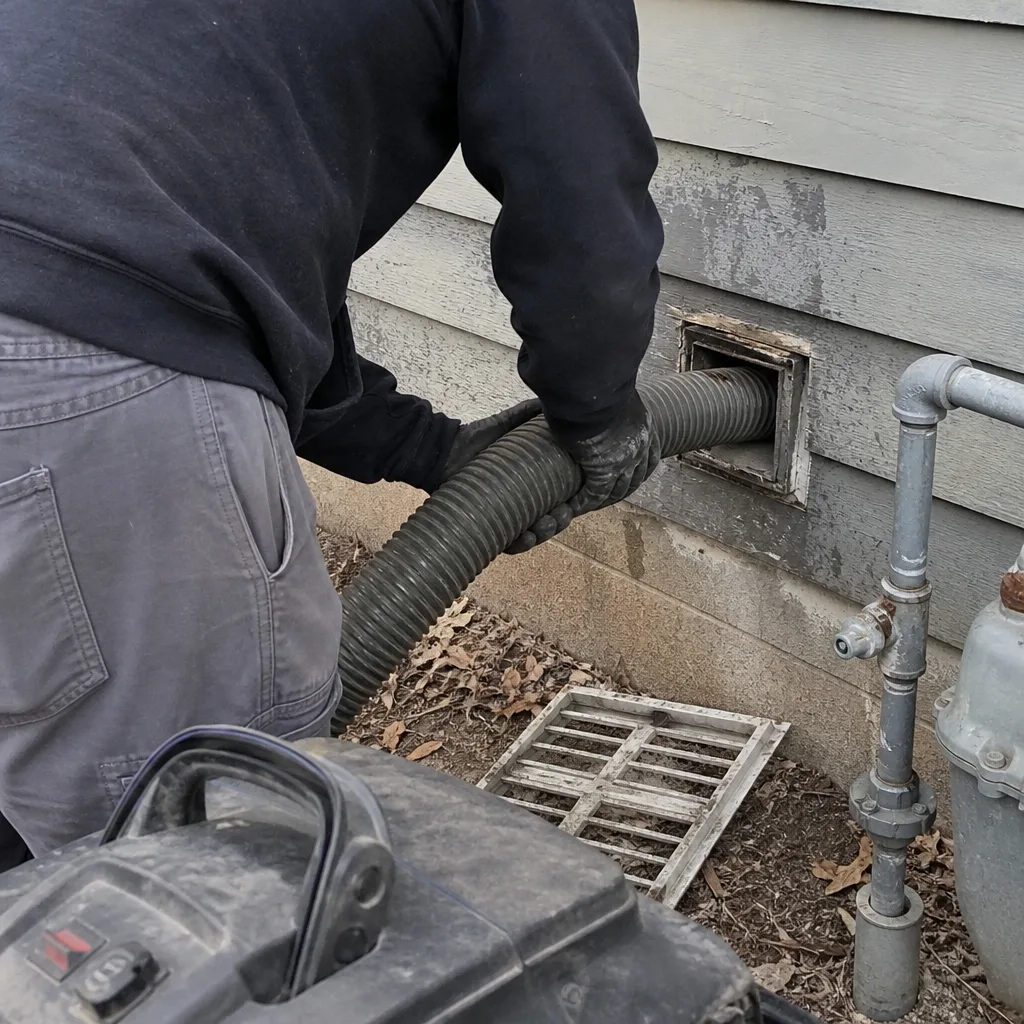 Before
 After
After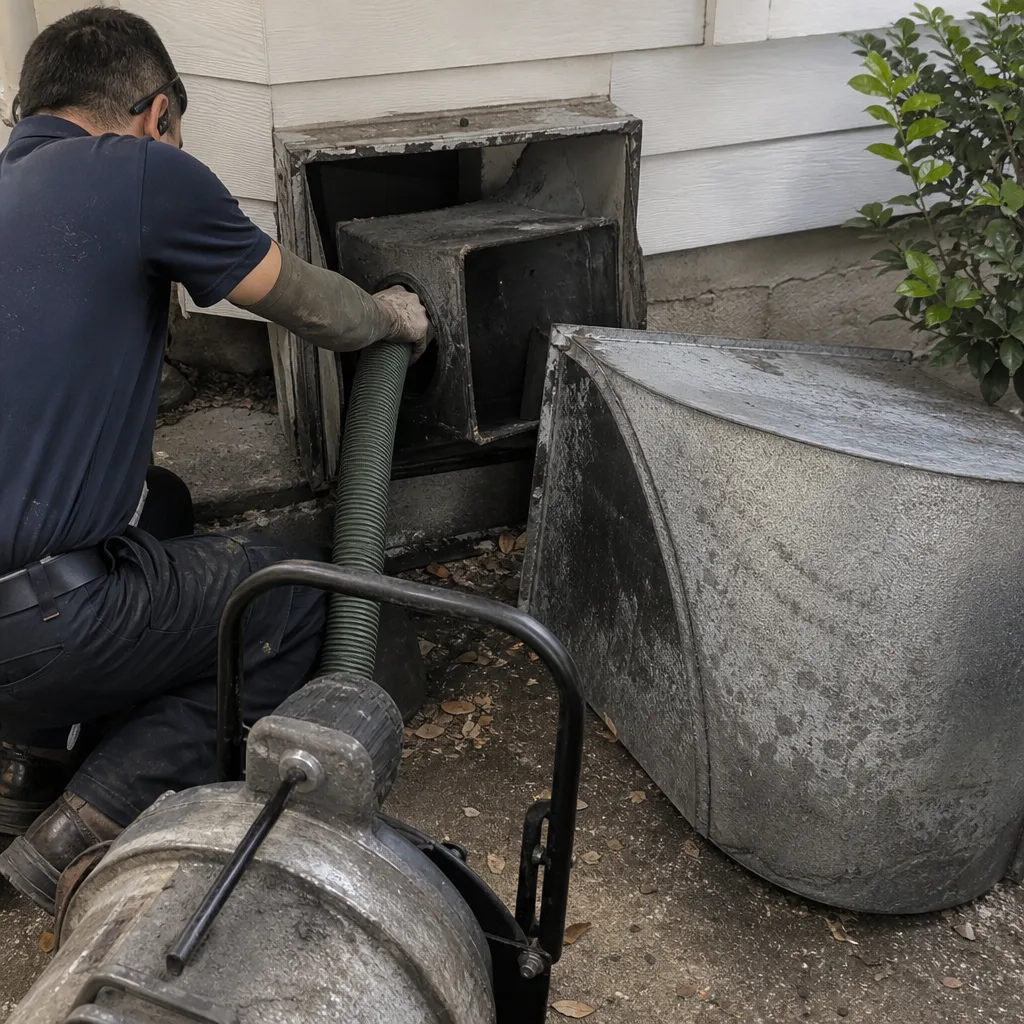 Before
 After
After