
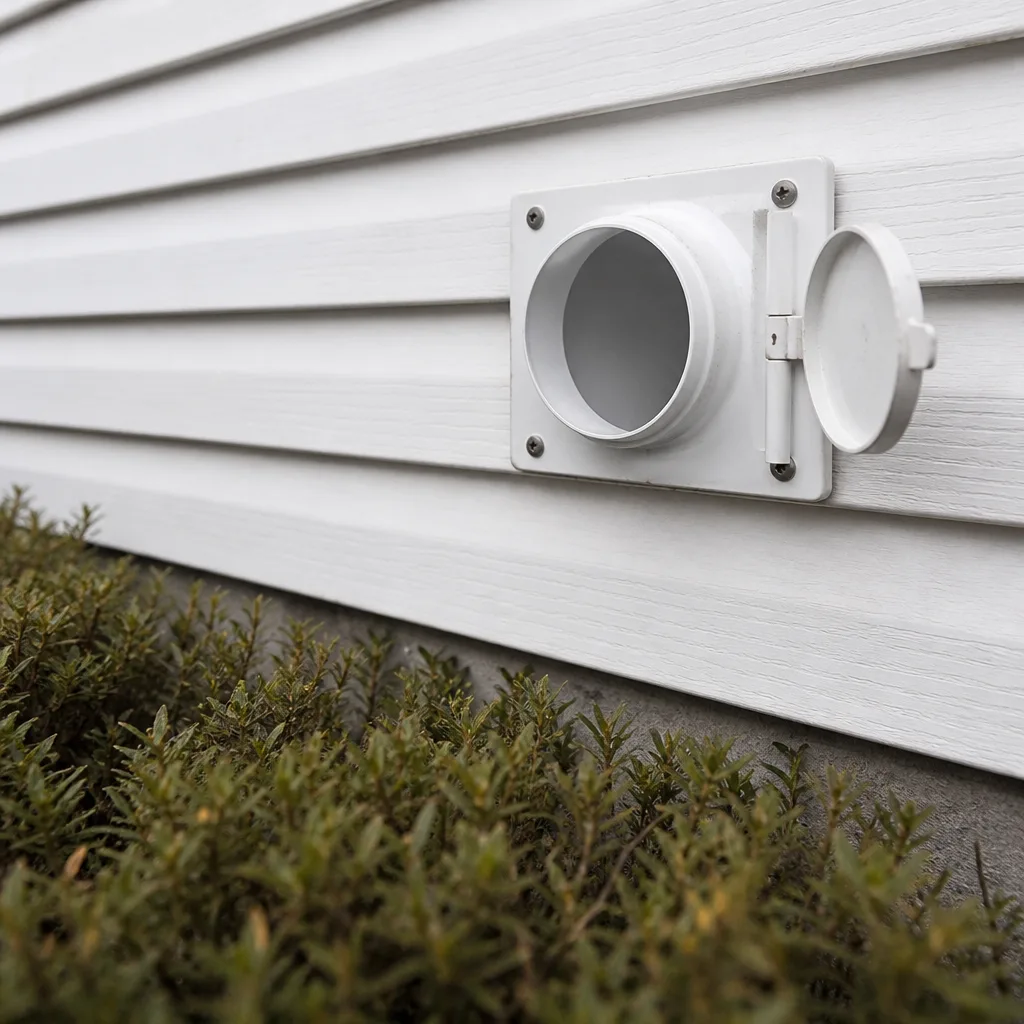
 Dryer vent cleaning
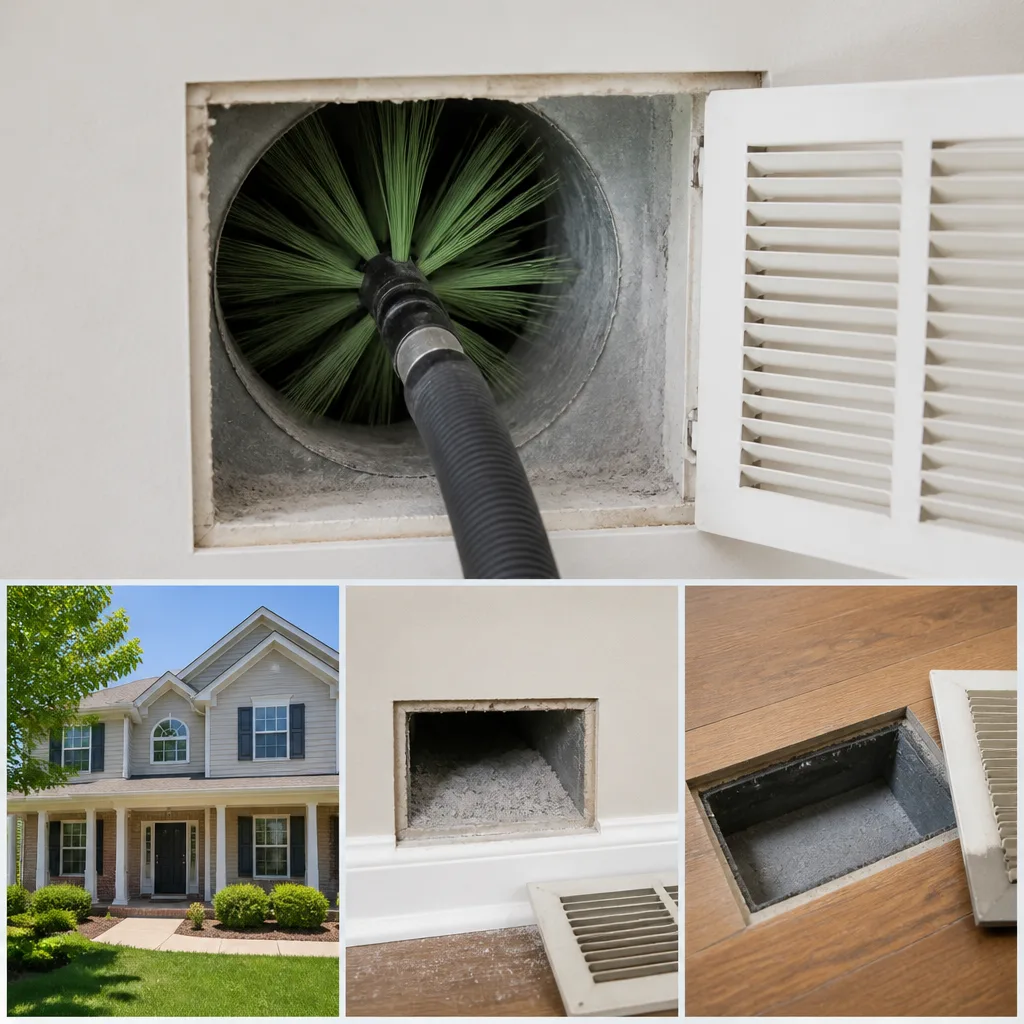 Whole-home duct cleaning
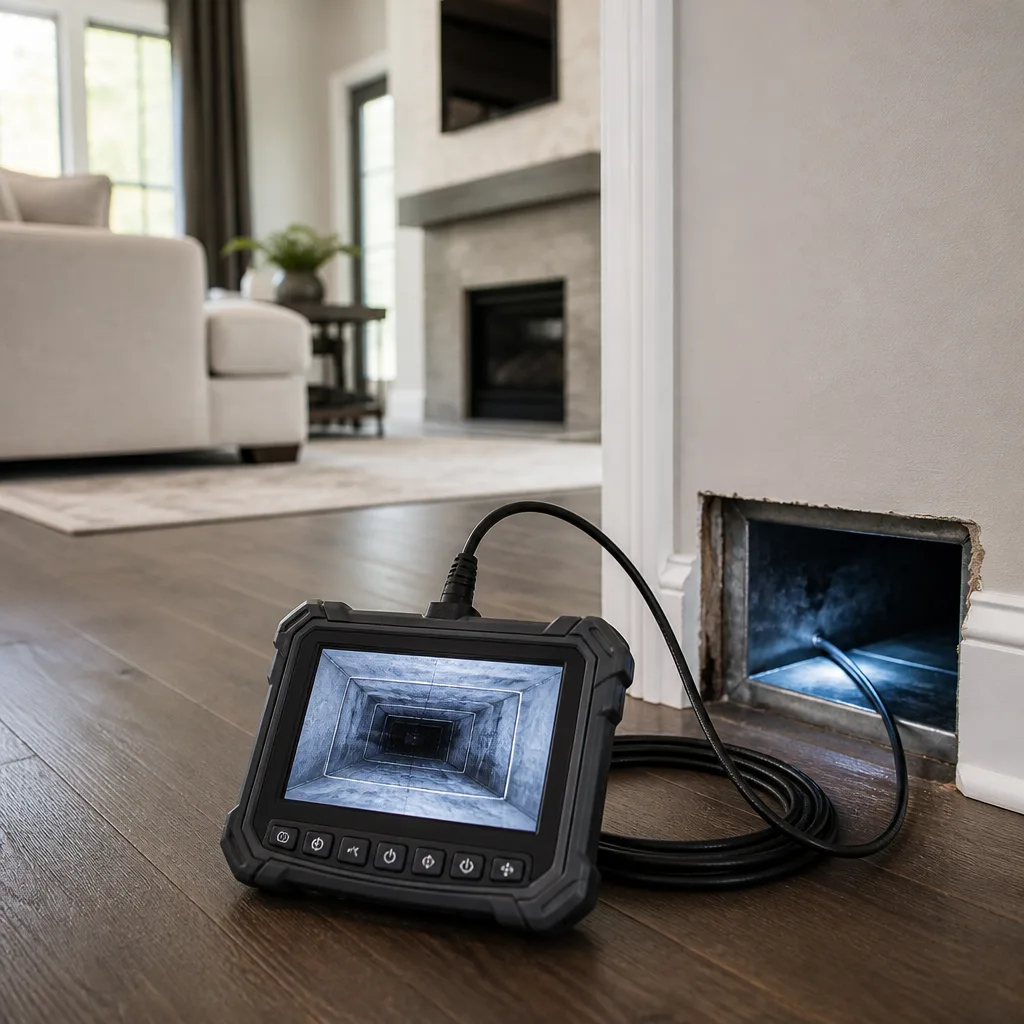 Camera inspection
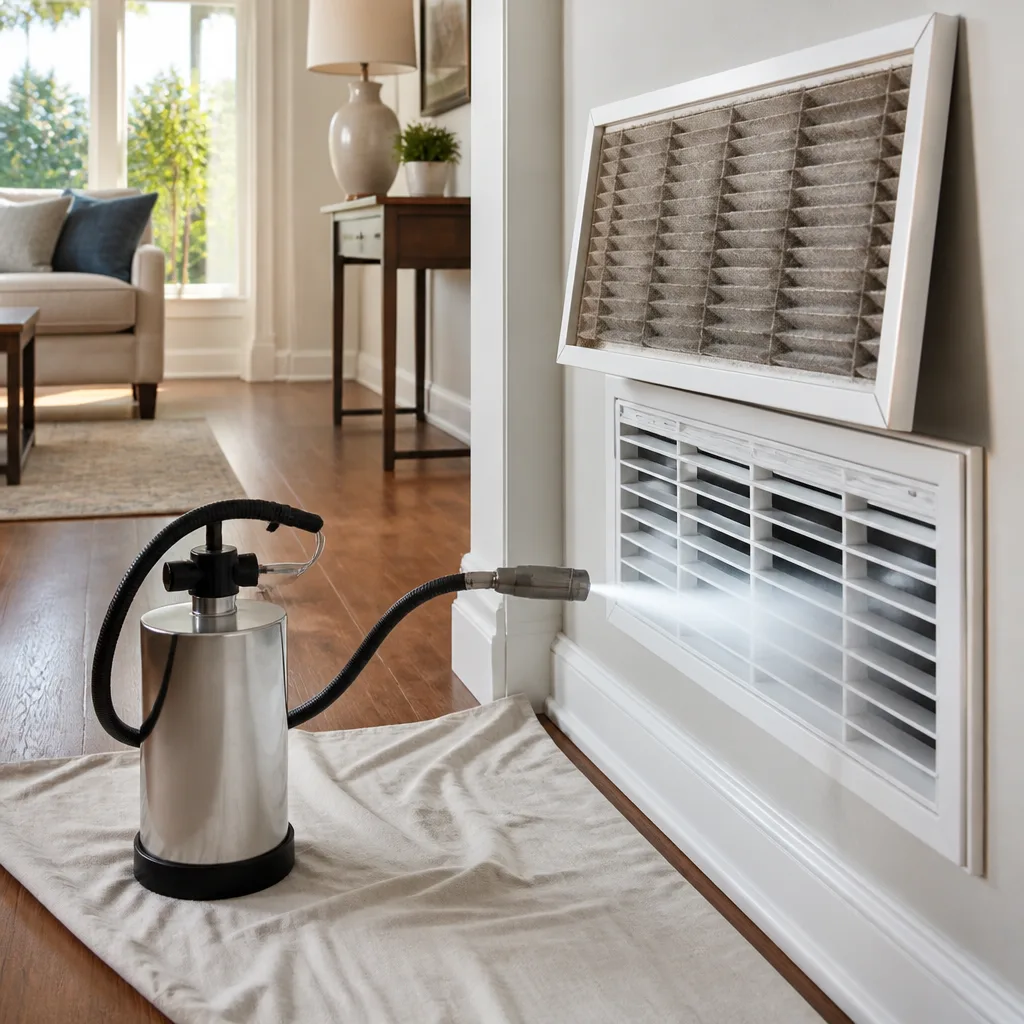 Sanitizing & deodorizing
Whole-system duct and dryer vent check with before-and-after photos - you see exactly what came out of your vents
That "$99 whole-house special" is a bait ad - the real number appears once they are in your hallway, or the "clean" is a shop-vac at the register. We photograph the inside of your ducts before and after instead.
Styles & brands we work with
See the difference
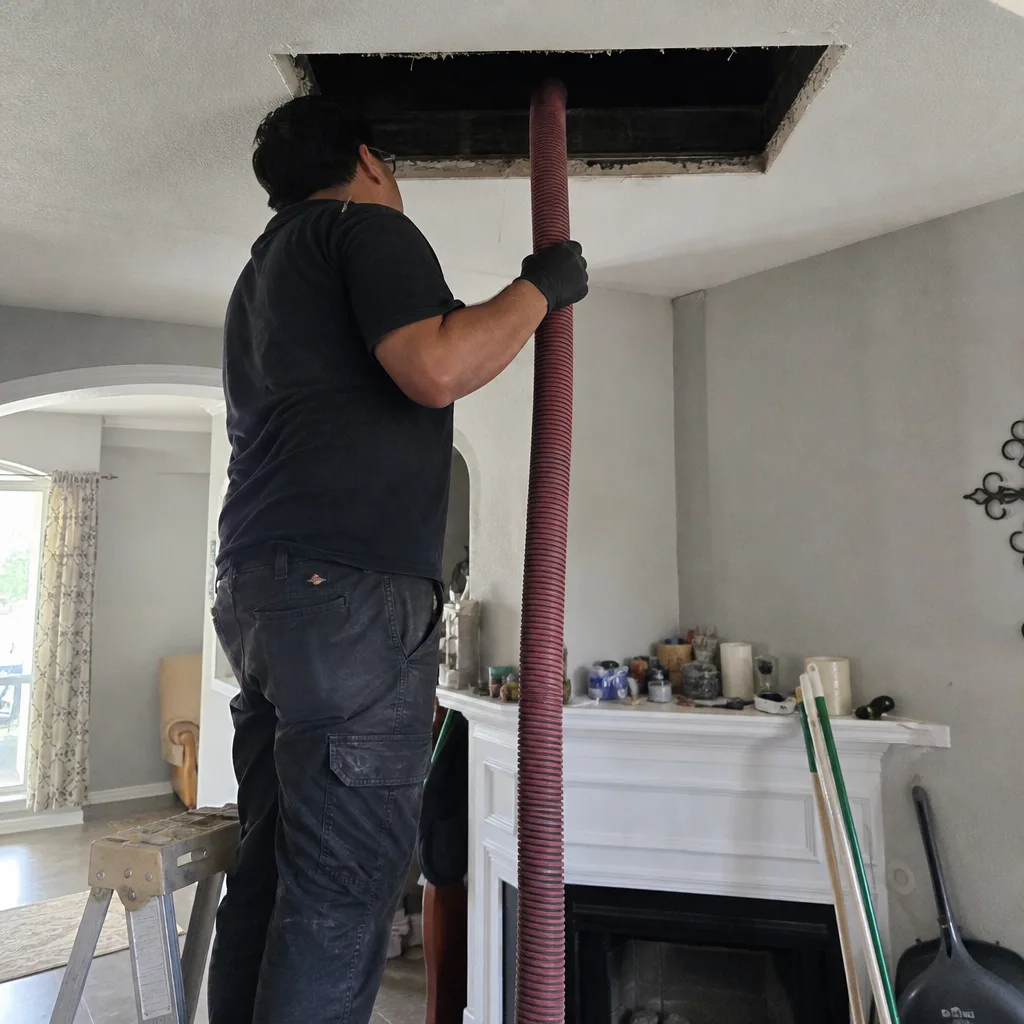 Before
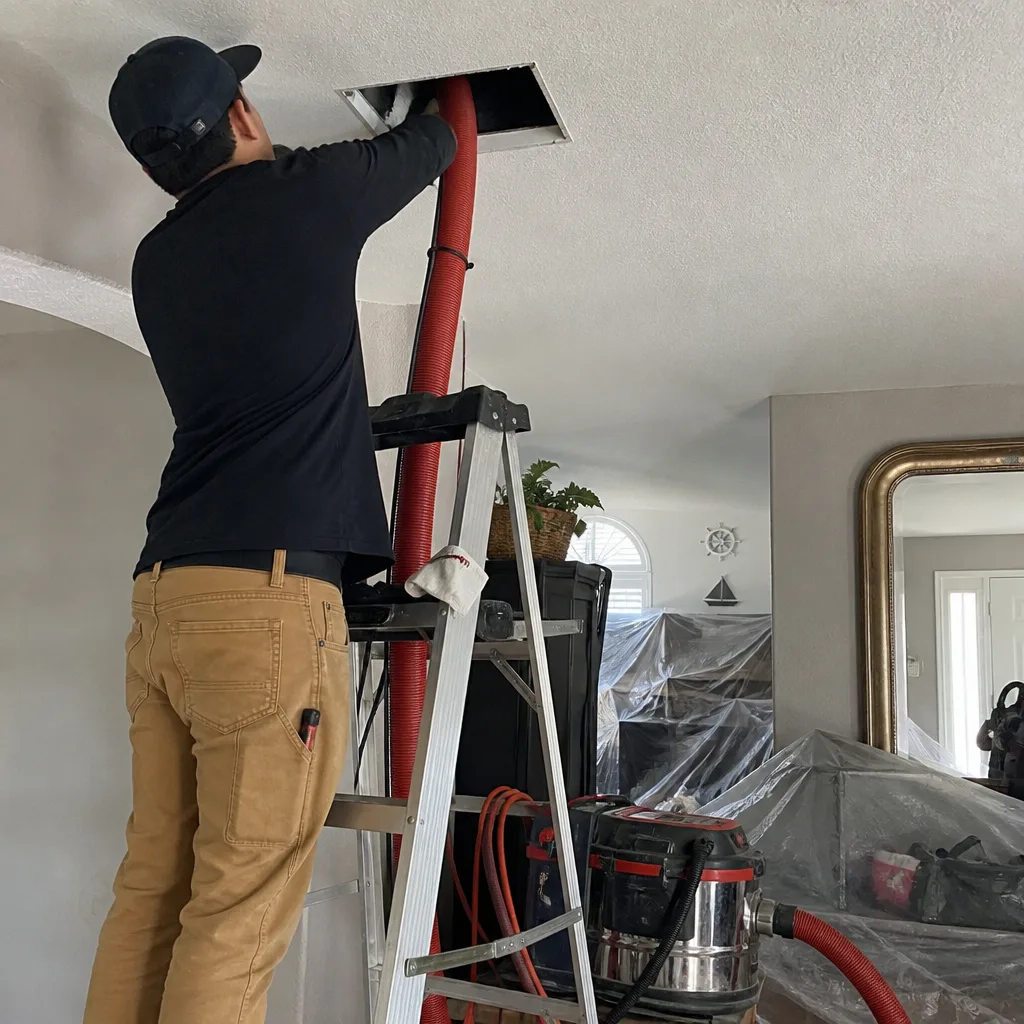 After
After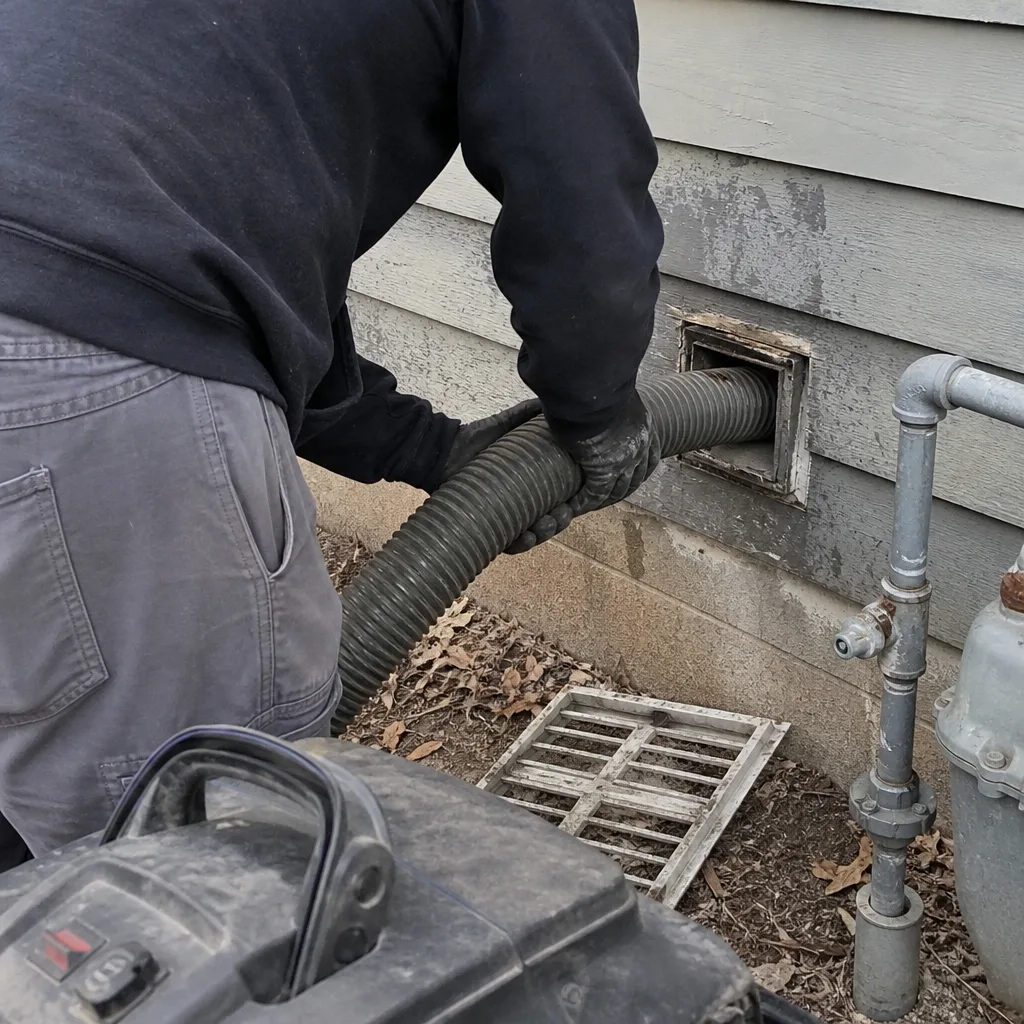 Before
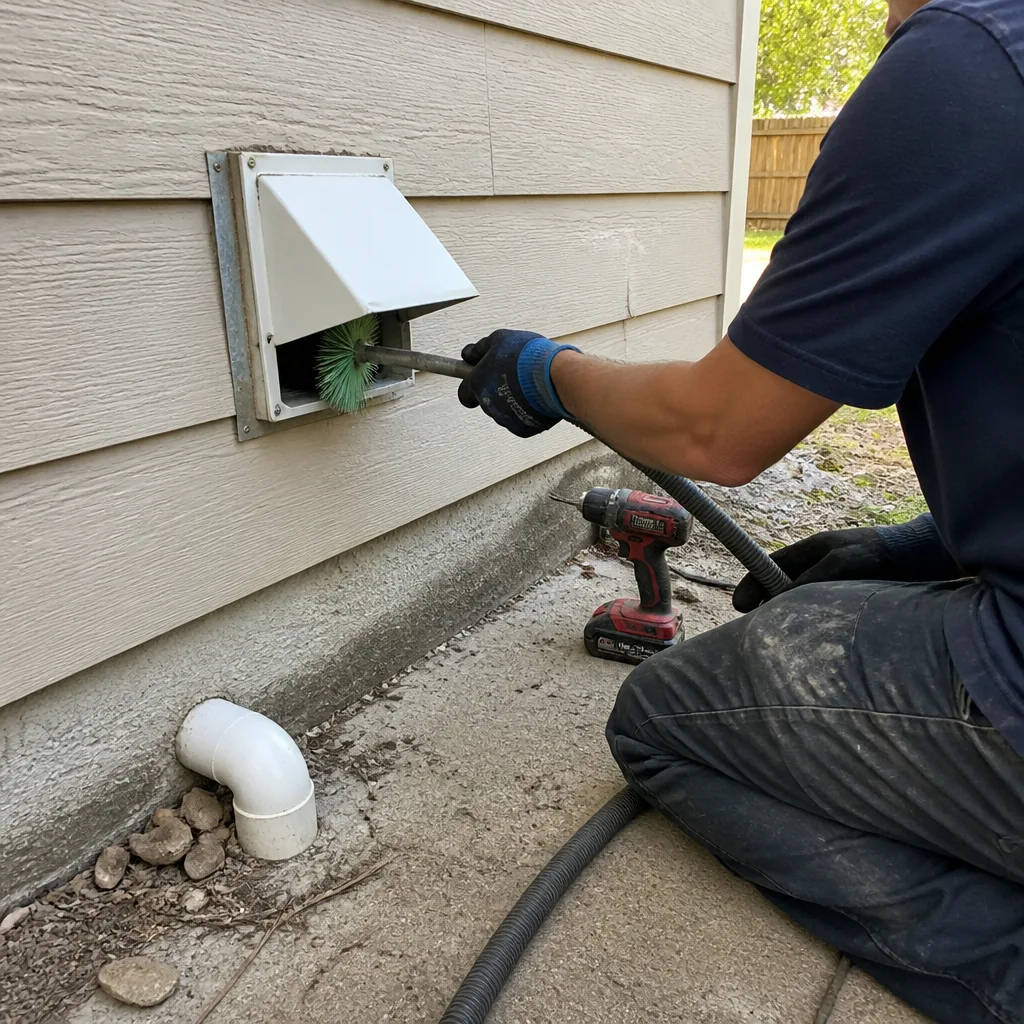 After
After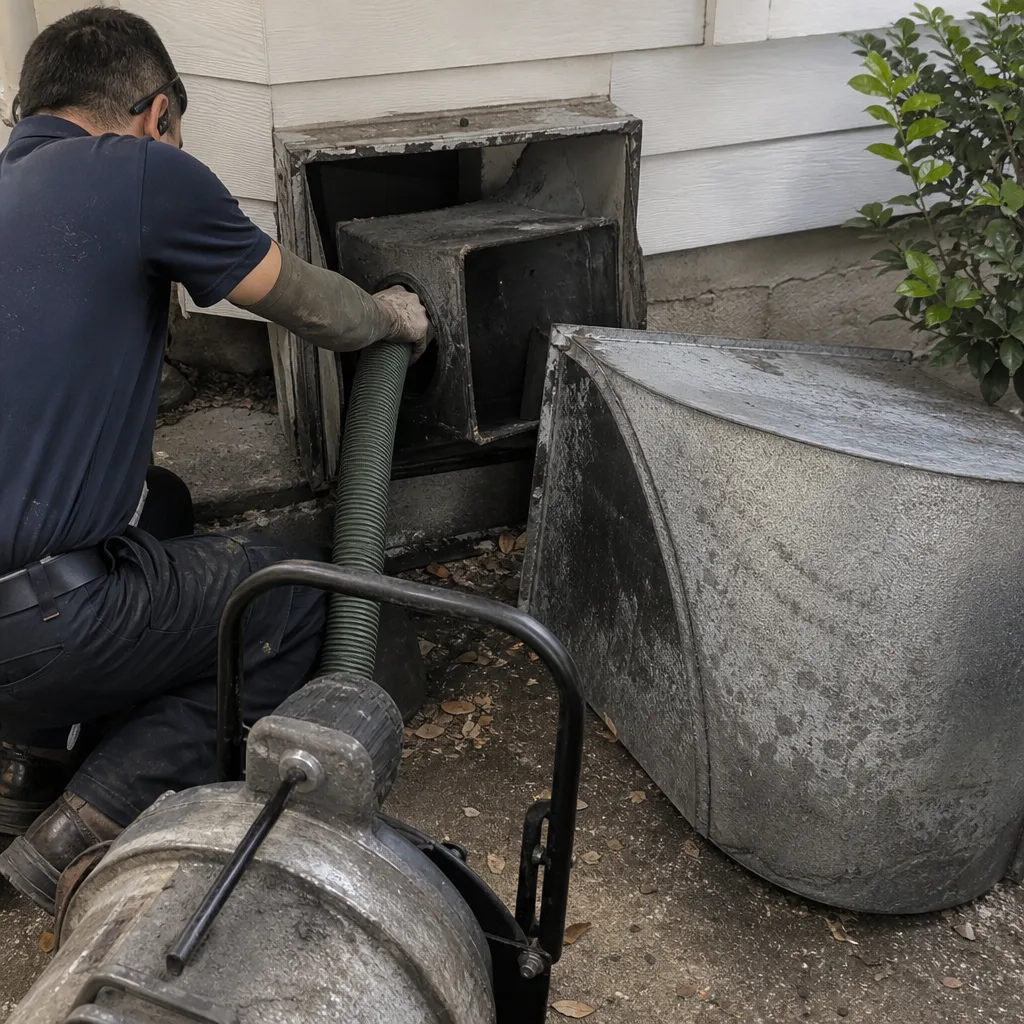 Before
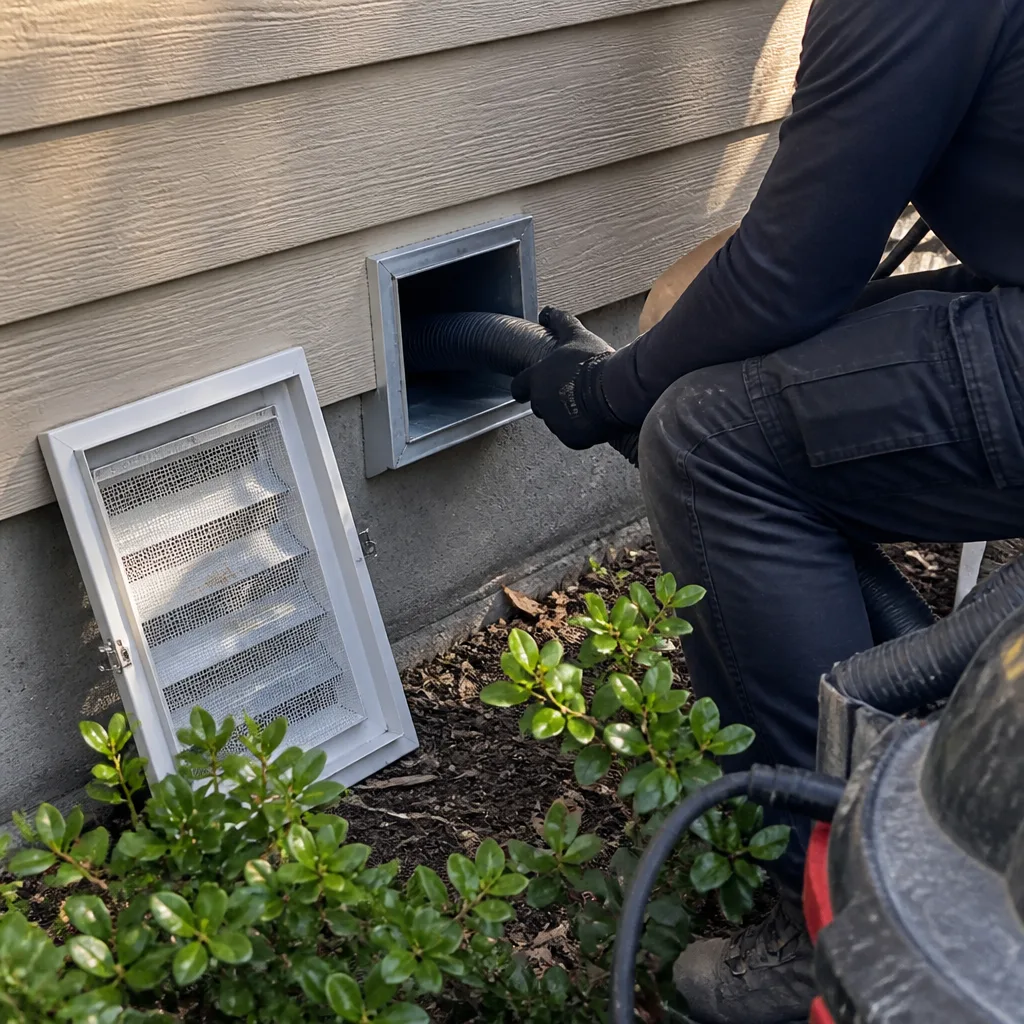 After
AfterDryer Vent Inspection in Austin, TX
A dryer vent inspection in Austin typically costs $89 – $149 as a standalone service, though many homeowners bundle it with a full Dryer Vent Cleaning for $129 – $229 total. At Cardinal Air Duct Austin, we inspect every inch of the vent run, from the dryer connection to the exterior termination point, using camera-equipped tools that show you exactly what we see before any cleaning or repair is quoted.
Here’s the thing most Austin homeowners don’t realize until it’s too late: your dryer vent can be partially blocked for months without you noticing. Lint builds up in layers, especially around the elbows and bends where the vent changes direction. By the time your dryer takes two cycles to finish a load, you’ve already been wasting energy and overworking the heating element for weeks. Omar Haddad and the team at Cardinal Air Duct Austin handle vent cleaning and dryer vent inspections the way they handle everything else: with a written price before work starts, a live arrival window you can track, and photographic proof of what we found.
If you suspect a clogged vent or just bought a home in Austin, call (940) 283-6595 and we’ll get you scheduled. A live person answers, 24/7.
This page is part of our Dryer Vent Cleaning in Austin service area. If you already know your vent needs a full cleaning, start there. If you’re not sure what’s going on, keep reading.
When You Need Dryer Vent Inspection
Most Austin homes should have a dryer vent inspection once a year, but certain signs mean you shouldn’t wait. Here’s what pushes homeowners to call us:
- Your dryer takes longer than 45 – 50 minutes per load. That’s the most common symptom we hear in neighborhoods like Mueller, Allandale, and Circle C. A properly vented dryer should finish a standard load in 40 – 45 minutes. Anything longer usually means airflow restriction.
- You just bought a house in Austin. Previous owners rarely clean dryer vents before selling. The duct behind the wall could hold years of lint from the old owners, and you have no way of knowing without an inspection. New construction in areas like Easton Park and Whisper Valley isn’t exempt either – drywall dust and construction debris often end up in vent runs.
- Your laundry room feels hot and humid while the dryer runs. That’s moist, lint-laden air backing up into the room instead of exhausting outside. It means the vent is partially blocked, and that same warm, damp air is a breeding ground for mold on drywall and trim.
- The exterior vent flap doesn’t open when the dryer is on. Walk outside and check. If the flap stays closed or barely moves, airflow is weak. If it’s stuck open, birds or rodents may have nested inside the vent termination.
- Your dryer shuts off mid-cycle or the “check vent” light stays on. Modern dryers from LG, Samsung, and Whirlpool have airflow sensors that trip when backpressure gets too high. That sensor is usually correct.
- You smell burning or musty odors during a dry cycle. Burning smells mean lint may be in contact with the heating element. Musty smells mean moisture is trapped. Both are failures that an inspection catches early.
In Austin specifically, our hard water and long summers add extra stress on dryer vents. High humidity from May through September means lint stays damp longer, and damp lint compacts faster than dry lint. We see more lint blockages in August than any other month because of it.
Our Dryer Vent Inspection Process
We don’t do drive-by inspections. Every dryer vent inspection at Cardinal Air Duct Austin follows the same five-step process, and you’ll see photos from each step before the job is closed out:
- We walk the vent run and confirm the path. Our technician locates the dryer connection, traces the duct through the wall or floor, and finds the exterior termination point. In Austin ranch homes and two-story builds, vent runs can be anywhere from 5 feet to 35 feet, and the length and number of elbows directly affects airflow.
- We run a camera scope through the vent. This is the part most competitors skip. We run a borescope camera down the entire length of the duct so we can see blockages, crushed sections, disconnected joints, and accumulated lint in real time. You see the footage too, not just a verbal summary.
- We measure airflow at the dryer connection and at the exterior vent. Comparing those two numbers identifies where the restriction is. If airflow drops significantly between the dryer and the wall, the problem is the transition hose. If it drops inside the wall, the problem is the duct itself.
- We inspect the exterior termination for damage or backdrafting. Austin storms, hail, and sun exposure damage vent caps and hoods faster than most homeowners expect. We check the flap, the seal, and the pest screen. A damaged termination point lets in rain, rodents, and hot outside air.
- We give you a written summary and a written price for any work needed. You get the camera findings, the airflow numbers, the photos, and a line-item price if cleaning or repair is needed. That price is handed to you in writing before any additional work begins. No surprises at the door, no “while we’re here” upcharges.
Our inspections run on professional equipment, not guesswork. The camera scope we use gives us a clear look at what’s actually happening inside the vent, and the airflow measurements confirm whether that obstruction is causing a real problem for your dryer.
Dryer Vent Inspection Pricing in Austin
How much does dryer vent cleaning cost? In Austin, TX, a standalone inspection in 2026 runs $89 – $149 depending on vent run length, accessibility, and whether it’s an emergency call. Here’s the breakdown:
| Service | What’s Included | Typical Austin Price |
|---|---|---|
| Standalone dryer vent inspection | Camera scope, airflow check, full written report with photos | $89 – $149 |
| Inspection + full dryer vent cleaning | Everything above plus complete lint removal and airflow verification | $129 – $229 |
| Inspection + repair (vent cap replacement, crushed duct section) | Inspection findings plus the specific repair, quoted in writing beforehand | Varies by repair; always quoted before work starts |
| Emergency inspection (same-day, after-hours) | Priority dispatch, same camera scope process | $149 – $199 |
What affects the price? The length of the vent run is the biggest factor. A second-story laundry room in a Steiner Ranch home with a 30-foot vent run costs more to inspect than a first-floor laundry in Hyde Park with an 8-foot run. The second factor is age. Homes built before 2000 in Austin often have flexible foil or vinyl vent ducting that’s harder to camera-scope and more likely to need replacement recommendations. And if the vent is on a roof instead of an exterior wall, there’s an access fee for ladder work.
Every inspection comes with a free estimate for any recommended work. You’ll know the price of a cleaning or repair before you commit. Call (940) 283-6595 and we’ll give you an exact quote over the phone based on your setup, or we’ll confirm it on-site before any work begins.
What We Find Most Often in Austin Homes
After years of inspecting dryer vents across Austin, certain findings come up again and again. Knowing these will help you understand what an inspection is looking for:
- Lint accumulation beyond 1/4 inch. That’s the threshold where airflow starts measurably dropping. Anything beyond 1/2 inch is a fire hazard by most fire-safety standards.
- Crushed or kinked transition hoses. The flexible foil or aluminum hose behind the dryer gets pushed back too far during installation or moved when someone pulls the dryer out, and it kinks like a garden hose. That alone can cut airflow by 50% or more.
- Disconnected duct sections. In older Austin homes, especially those with crawl spaces, the rigid duct segments separate at the joints over time from thermal expansion and contraction. Your dryer is then venting hot, humid air into the wall cavity or crawl space.
- Bird or rodent nests in the exterior vent. Austin’s grackles and roof rats both love a warm, sheltered vent hood. A missing or damaged pest screen turns the vent into an animal entrance. We see this frequently in neighborhoods with mature trees, like Tarrytown, Rosedale, and Barton Hills.
- Improper vent materials. Older homes may have white vinyl or plastic flex duct, which is illegal under current building codes for a reason. It melts, traps lint more easily, and is a known fire contributor. We flag it for replacement every time.
Each of these has a fix, and the inspection report tells you exactly what’s needed and what it costs. That’s the whole point of looking before cleaning or repairing.
Why the Inspection Matters Before You Pay for Cleaning
A dryer vent inspection is the diagnostic step that prevents you from paying for a service you don’t need, or missing a problem a basic cleaning won’t fix. Some Austin duct cleaning companies sell a cleaning without ever putting eyes on the vent. They show up, run a brush through, and leave. If your vent has a disconnected joint, a crushed section, or a pest nest, a brush alone won’t fix it. You’ll still have the same problem a month later, and you’ve paid for it once already.
Our process is the opposite. The inspection comes first. We find the actual problem. We show you the photos and the airflow numbers. Then we give you a written price for the fix. If all you need is a cleaning, that’s what we recommend. If you need a repair, you’ll know before we touch it. That’s how Omar Haddad runs Cardinal Air Duct Austin, and it’s how every Dryer Vent Cleaning in Austin job starts.
We use professional-grade equipment on every call, including Nikro HEPA-filtered vacuums for debris extraction and Abatement Technologies containment units when we’re working in finished spaces. The tools matter because a dryer vent cleaning is only as good as the vacuum pulling the loosened lint out. Negative-pressure extraction means the debris we loosen goes into the HEPA filter, not back into your laundry room.
What Affects Vent Performance in Austin Specifically
Your dryer vent doesn’t exist in a vacuum. Austin’s climate and home stock create specific conditions that affect vent performance, and understanding them helps you read an inspection report more intelligently.
The humidity is the first factor. Austin averages 60 – 70% humidity during the summer months, and that moisture affects how lint behaves inside a vent. Dry lint brushes out easily. Damp lint compacts, sticks to the duct walls, and builds up in layers that harden over time. A vent that was fine in January can be significantly restricted by August, just from the humidity introduced by the dryer exhaust itself interacting with the hot, moist air outside.
The second factor is Austin’s construction boom. Homes built in the last 10 years in areas like Leander, Pflugerville, and Manor often have longer, more complex vent runs than older homes. Builders route vents through interior walls, across ceilings, and out through the roof to keep the exterior siding cleaner. Every added elbow and vertical rise reduces airflow and increases the need for regular inspection. The building code maximum for a dryer vent run is 25 feet, reduced by 5 feet for each 90-degree elbow, and many newer Austin homes push right up against that limit.
Third is the pest pressure. Austin’s climate supports a healthy population of roof rats, squirrels, and starlings, all of which can enter through an unprotected vent flap. Once a nest is built, the vent becomes partially or fully blocked, and the solution requires removal rather than simple cleaning.
All of this is why we recommend an annual inspection for every Austin home, not just for homes with existing dryer performance problems. The cost is small compared to the energy savings from a properly flowing vent, not to mention the fire risk reduction.
Signs Your Dryer Vent Is Blocked Right Now
Between scheduled inspections, you should know the warning signs of a blocked dryer vent. The earlier you catch a blockage, the less damage it causes and the less it costs to fix. Here’s what we tell every Austin homeowner during an inspection:
- Clothes feel damp after a full cycle. Not just warm and slightly moist, but actually damp in spots. That means the moisture from the drying cycle isn’t being expelled, and the dryer is working against itself.
- The outside of the dryer gets hot to the touch during a cycle. The heating element is running hotter than it should because the airflow that would normally carry heat away is compromised. This is how heating elements burn out, and it’s the stage before a fire starts.
- Your laundry room smells like dryer sheets even when the dryer hasn’t run recently. That smell means lint and residue are trapped in the vent and the warm, humid air from the vent is leaching back into the room.
- The dryer’s lint trap has less lint than usual. Lint that isn’t caught by the trap is going into the duct. A sudden drop in lint trap accumulation is a sign the vent is clogged somewhere down the line.
- You see lint or debris around the exterior vent opening. That’s visible proof that the vent is pushing material out around the flap instead of through it, which means the flap is partially blocked or stuck closed.
Any one of these signs warrants a call to (940) 283-6595. We can usually reach homes across the Austin metro the same day or next day, and every call is answered by a live person, not a voicemail tree.
FAQs – Dryer Vent Inspection
How much does a dryer vent inspection cost in Austin?
A standalone dryer vent inspection in Austin typically costs $89 – $149, and a bundled inspection with full dryer vent cleaning runs $129 – $229. The price depends on vent run length, access difficulty, and whether it’s an emergency call. Call (940) 283-6595 for an exact quote over the phone – estimates are free, and the written price is locked in before any work starts.
How long does a dryer vent inspection take?
A standard dryer vent inspection takes 30 – 60 minutes from arrival to written report. The inspection includes a camera scope through the full vent run, airflow measurement at both ends, and exterior vent cap inspection. If we’re bundling inspection with cleaning, expect 60 – 90 minutes total for a standard Austin home.
Do I need a dryer vent inspection if my dryer seems fine?
Yes, we recommend an annual inspection even for dryers with no performance problems. Lint buildup happens gradually, and by the time you notice longer dry times, the vent is already significantly restricted. Annual inspection costs less than one year of the extra energy a partially blocked vent consumes, and it’s the cheapest fire-risk reduction you can buy for your home.
What happens if the inspection finds a blockage or damage?
We show you the camera footage and airflow measurements, explain the problem in plain language, and hand you a written price for the fix. You decide what you want done. Nothing is started without your approval and a written quote. If the fix is a simple cleaning, we usually complete it on the same visit. If it’s a repair, we’ll schedule a follow-up or complete it on the spot if parts are available on the truck.
Is it cheaper to inspect and clean together?
Yes, bundling a dryer vent inspection with a full Dryer Vent Cleaning in Austin saves you $40 – $70 compared to booking them separately. The combined service runs $129 – $229 for a typical Austin home, and it’s the smartest option if you haven’t had your vent looked at in over a year.
Can you come today if I suspect a blocked vent?
In most cases, yes. We keep same-day and next-day appointment availability open for Austin homes with dryer performance problems or visible vent issues. A live person answers 24/7 at (940) 283-6595, so you’ll know your arrival window before you hang up.
What You Get With a Cardinal Air Duct Austin Inspection
Every inspection from Cardinal Air Duct Austin includes four things that most Austin duct cleaning companies treat as optional extras:
- A written price before any inspection work begins. You know the cost of the inspection before we touch your dryer vent. No diagnostic fees that balloon, no “we’ll see what we find” pricing.
- Camera scope footage and airflow measurements. You see exactly what we see. If we tell you the vent is blocked, you’ll have the photos to prove it.
- The 365-Day Done Right Promise. If the work isn’t done right within 365 days, we return and correct it at no charge. That applies to every inspection, cleaning, and repair we do, with no exceptions.
- The Relay Standard. A live arrival window you can track from your phone, before-and-after photo documentation, and a digital invoice you can pay by link. You’ll know your technician’s name and background check status before they arrive.
Our technicians carry professional equipment from Rotobrush, Nikro, and Abatement Technologies on every call. The camera scopes, HEPA vacuums, and containment units aren’t truck decorations; they’re what makes our inspection findings reliable and our cleanings complete.
Call Cardinal Air Duct Austin for Dryer Vent Inspection
If your dryer is running long, your laundry room feels humid, or you just moved into a home with an unknown vent history, call Omar Haddad and the team at Cardinal Air Duct Austin. We’ll schedule a dryer vent inspection at a time that works for you, show up in a live-tracked arrival window, and give you a written price before any work begins.
Call (940) 283-6595 now for a free estimate, or browse our home page to see the full range of services from Cardinal Air Duct Austin.
Written by Omar Haddad, Owner at Cardinal Air Duct Austin, serving Austin.