
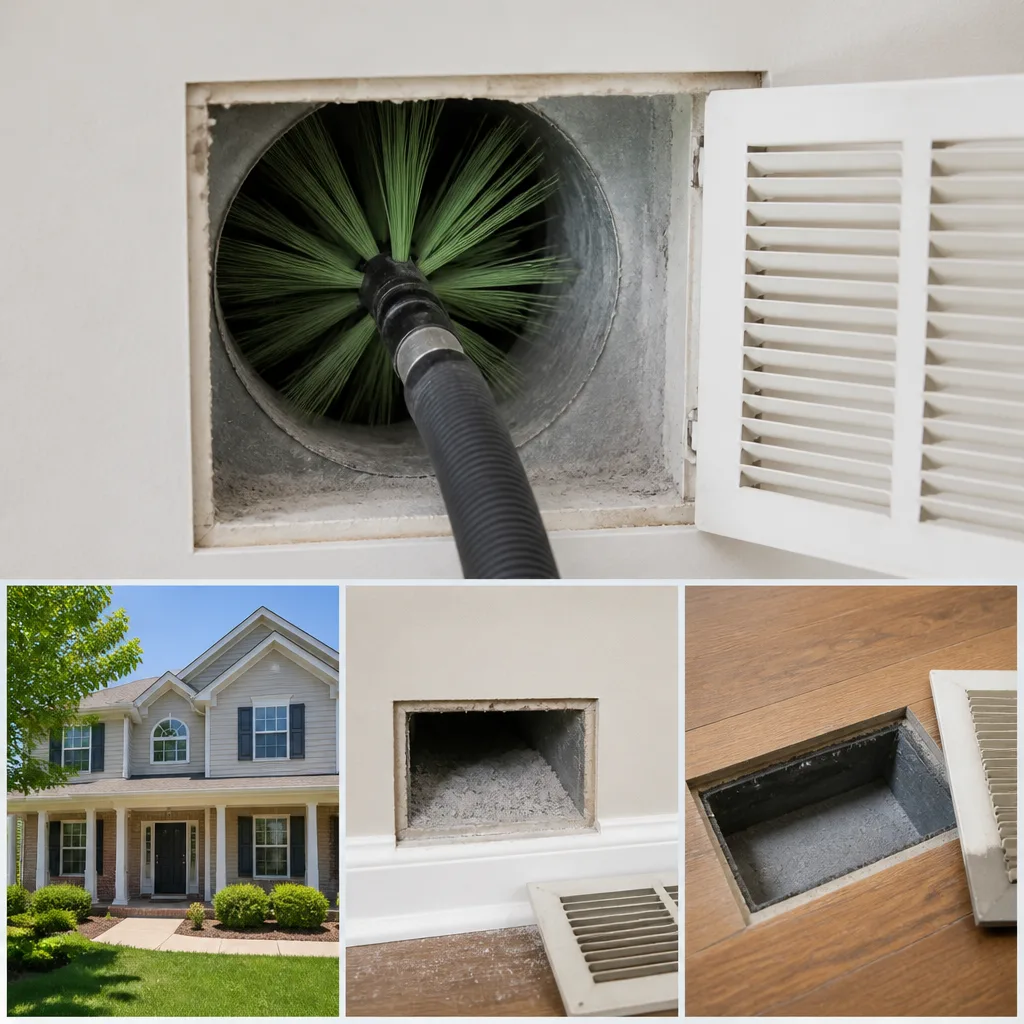
 Whole-home duct cleaning
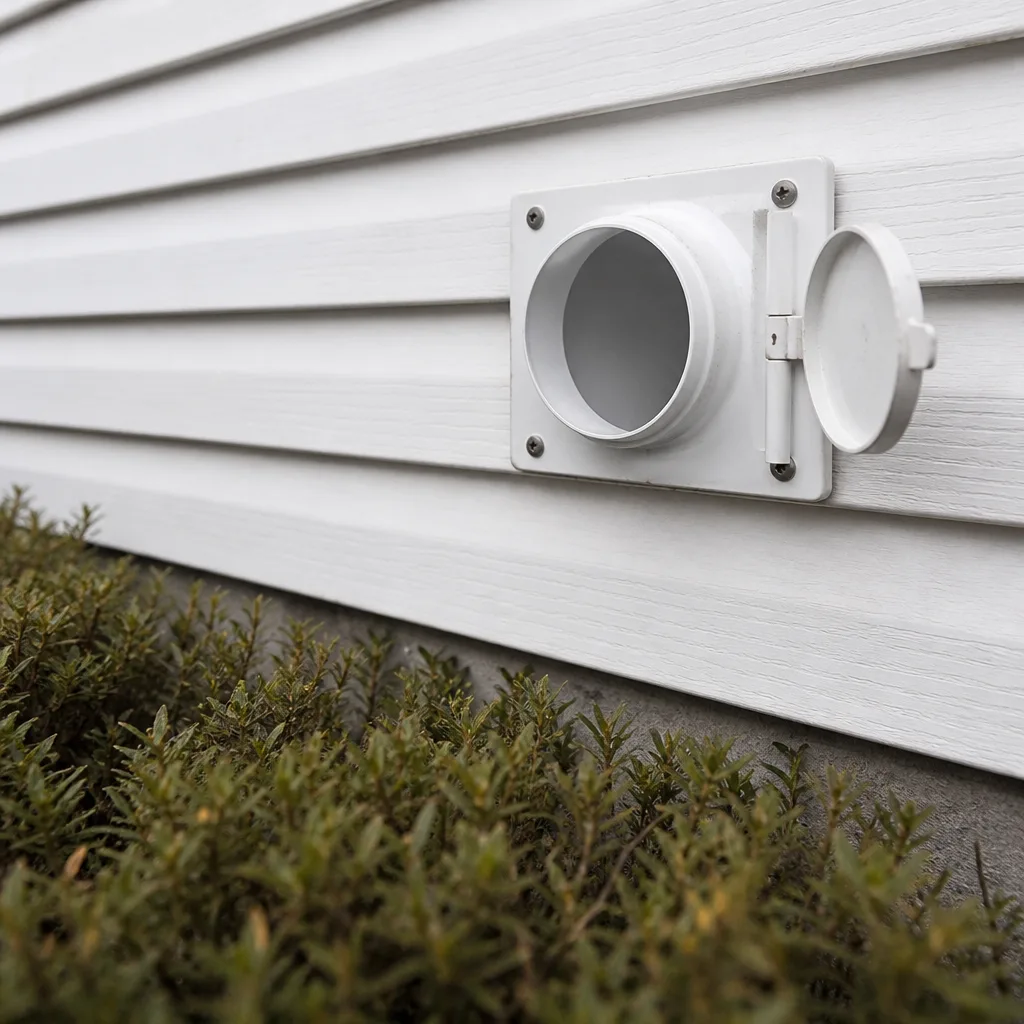 Dryer vent cleaning
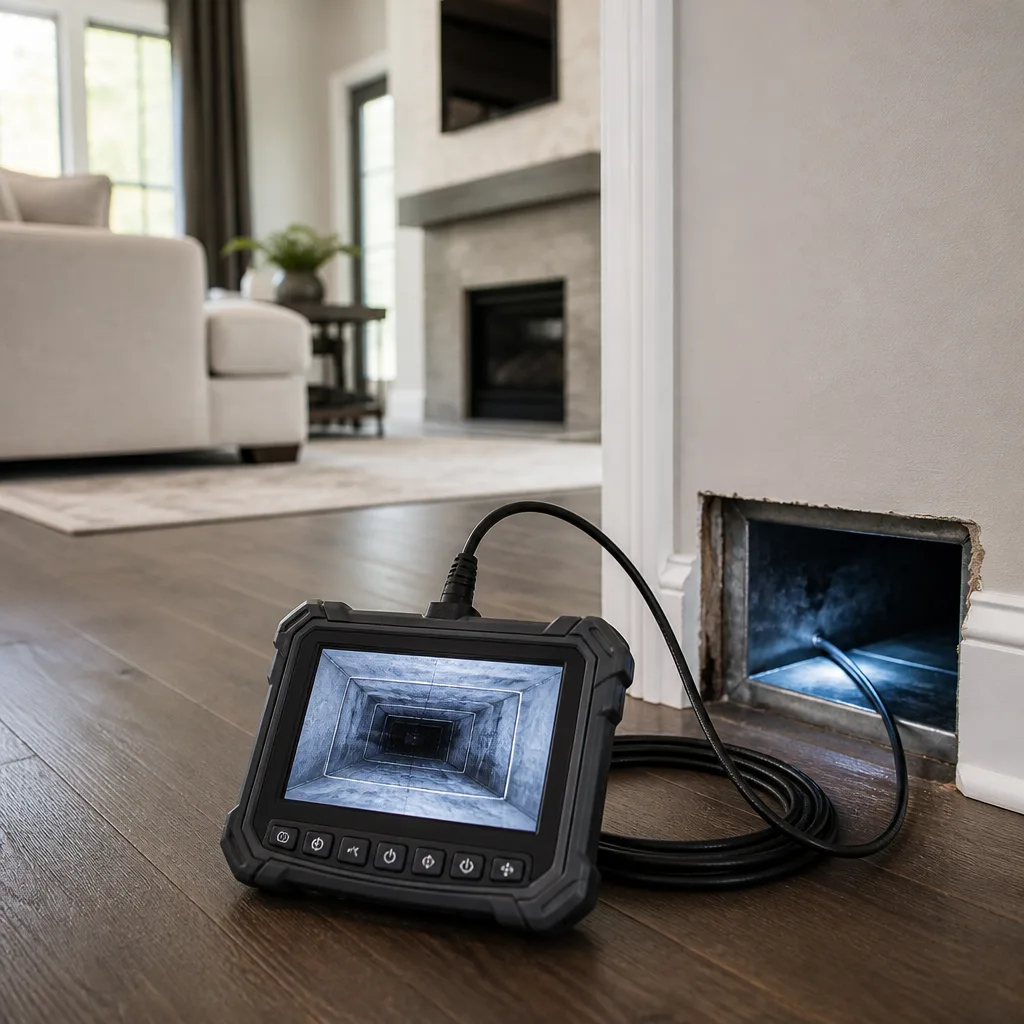 Camera inspection
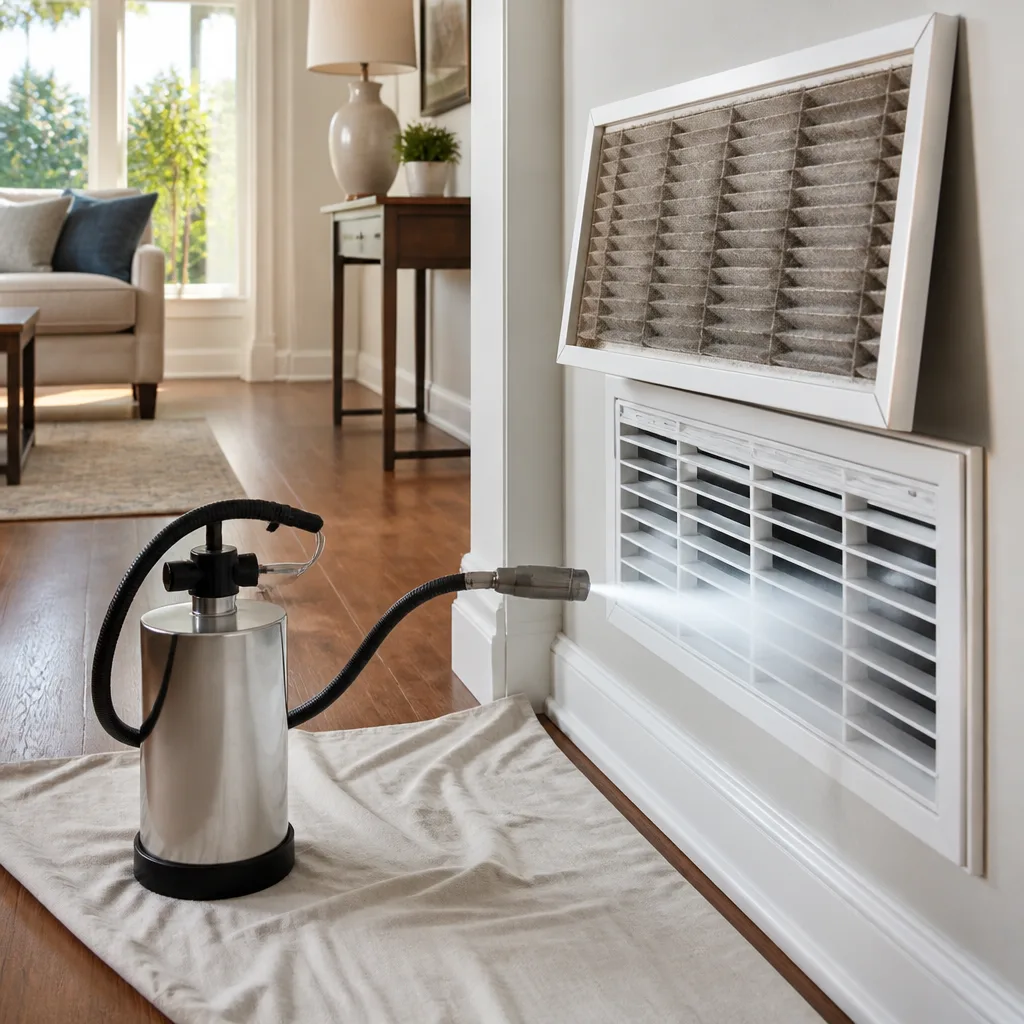 Sanitizing & deodorizing
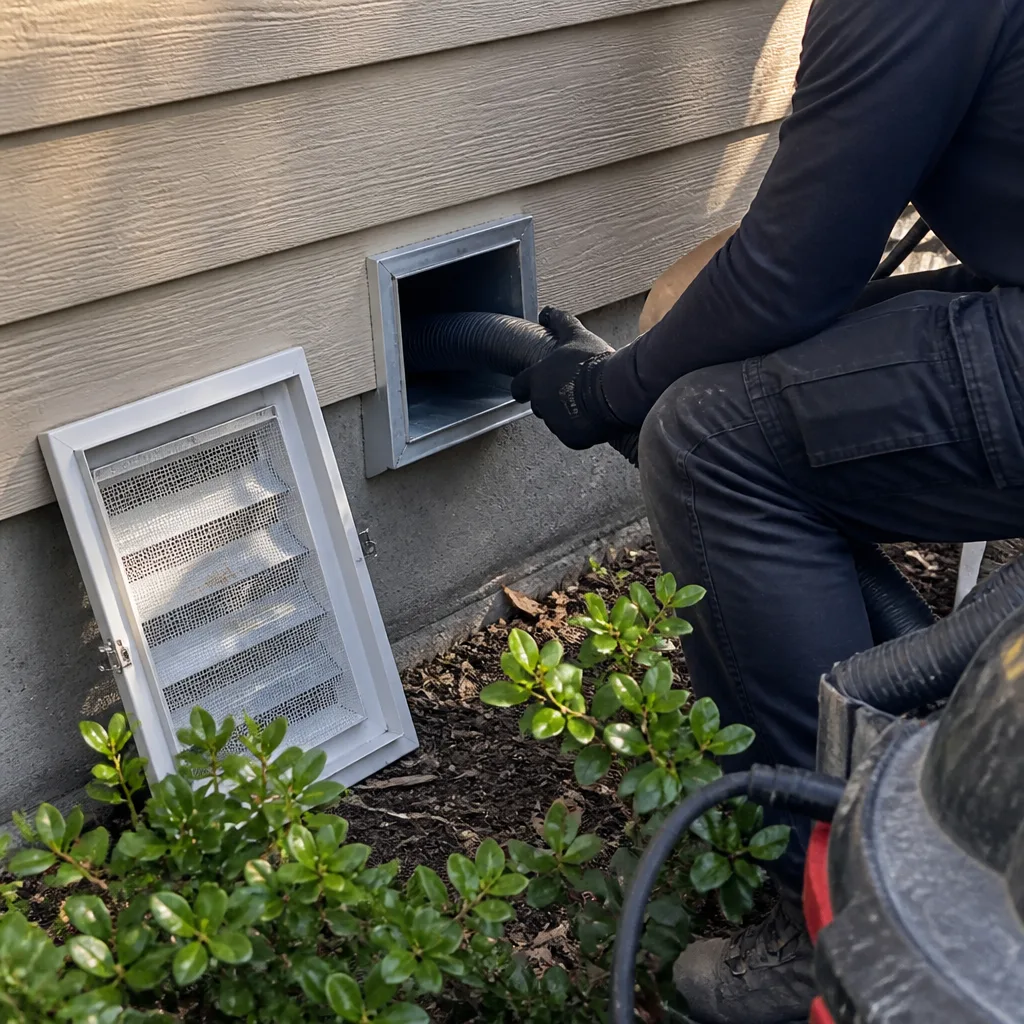
Whole-system duct and dryer vent check with before-and-after photos - you see exactly what came out of your vents
That "$99 whole-house special" is a bait ad - the real number appears once they are in your hallway, or the "clean" is a shop-vac at the register. We photograph the inside of your ducts before and after instead.
Honeywell Coil Cleaning: The Austin Owner’s Guide
We stock Honeywell-compatible coil cleaning solutions and perform professional evaporator coil cleaning throughout Austin, with most jobs running $290 – $490 depending on access and buildup. Most Austin homeowners call us after noticing weak airflow or a system that runs constantly without cooling the house down. The coil is the part of your HVAC system that actually does the cooling work, and when it’s caked with dust, pet hair, and the grime Austin humidity bakes onto it, your system is working against itself.
Here’s the reality Omar Haddad sees on job sites across Austin: that coil hasn’t just collected dust. It’s coated in a film of condensed moisture and airborne particles that hardens over time, and no amount of filter changes will reverse it. The coil needs to be cleaned, not just wiped down. We’ll walk you through exactly what that involves, what it costs, and how to know when it’s time.
Which Honeywell Models This Applies To
Honeywell doesn’t manufacture evaporator coils directly under their own brand in most residential systems. What they do manufacture is the coil cleaning chemistry and UV/air treatment systems homeowners pair with coils from Lennox, Trane, Carrier, and other major manufacturers. So if you searched for “Honeywell coil cleaning,” you likely have one of two setups: a Honeywell UV coil treatment system or a Honeywell-branded maintenance product meant for your existing coil.
The compatibility gotcha here: Honeywell’s coil treatment systems are sized for specific coil surface areas. A unit designed for a 3-ton coil won’t properly treat a 5-ton coil, and the difference isn’t obvious from the outside. We check the manufacturer label on the unit itself, verify the coil dimensions, and match the treatment to the actual square footage of coil surface. We stock Honeywell coil chemistry and treatment systems for the most common residential coil sizes in Austin homes, from small 2-ton units in older bungalows to 5-ton systems in newer builds out toward Round Rock.
When it comes to aftermarket versus OEM, our position is straightforward: Honeywell’s coil cleaning chemistry is worth the extra cost for one reason. The formulation is designed to break down without leaving a residue that attracts new dust. Cheap off-brand coil cleaners in the Texas heat can leave a sticky film that makes the coil dirtier within a month. We’ve tested both, and for replacement UV bulbs and coil treatment systems, we use Honeywell or equivalent OEM-spec parts.
Styles & brands we work with
Signs Your Honeywell Coil Cleaning Is Failing
If you have a Honeywell UV coil treatment system, here’s what failure looks like before the coil itself becomes the expensive problem:
- The UV bulb has been on for more than 12 months. UV bulbs lose effectiveness on a predictable curve. After about a year of continuous operation, the bulb is producing a fraction of the UV intensity it did when new, even though it still glows. That glowing doesn’t mean it’s working. We see this constantly in Austin, where systems run longer and harder than the national average.
- You can see visible buildup on the coil fins through the access panel. If the coil looks like it’s wearing a gray sweater, the chemistry isn’t breaking down the organic film anymore. This is the point where efficiency drops sharply and your AC starts working overtime.
- Your system is running longer cycles and the house still feels humid. A dirty coil can’t pull moisture from the air as effectively. Austin’s already swampy summers make this symptom hard to miss. The coil is the dehumidification workhorse and when it’s coated, the humidity lingers.
- Condensate drain line clogs are becoming frequent. The sludge that washes off a dirty coil clogs drain lines faster. If you’re clearing the same drain twice in a summer, the coil itself is the source.
- Energy bills are creeping up with no change in thermostat behavior. A dirty coil increases compressor load, which shows up on the electric bill first. We’ve had Austin customers who thought their utility rates went up, and it was a coil that hadn’t been cleaned since the Obama administration.
See the difference
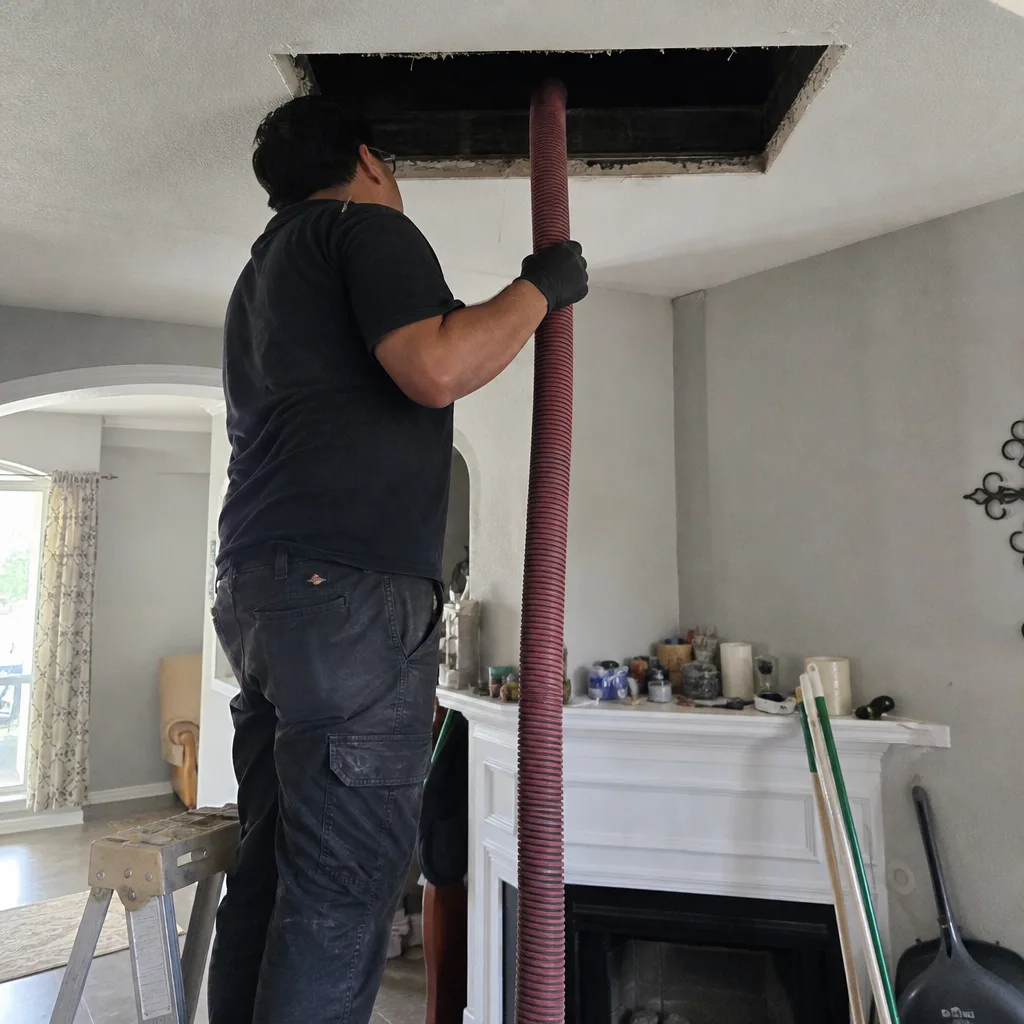 Before
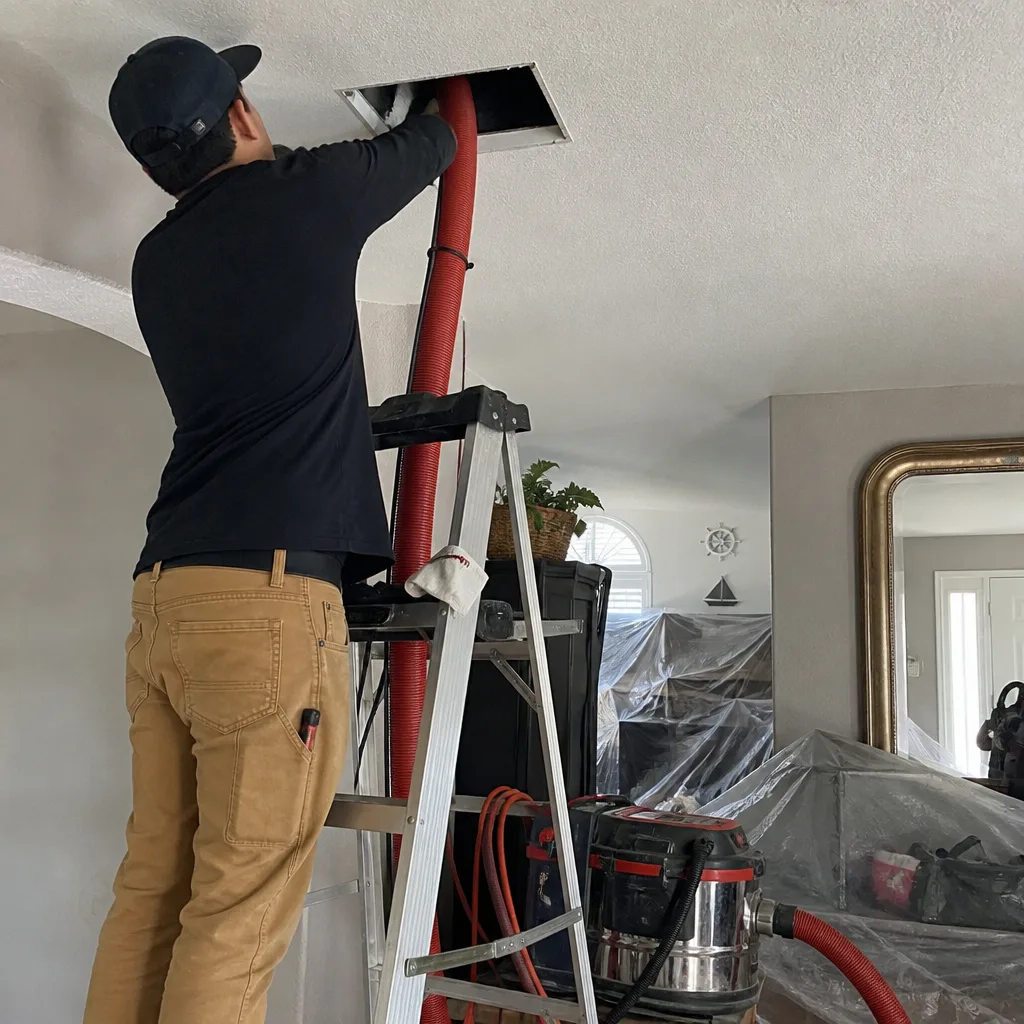 After
After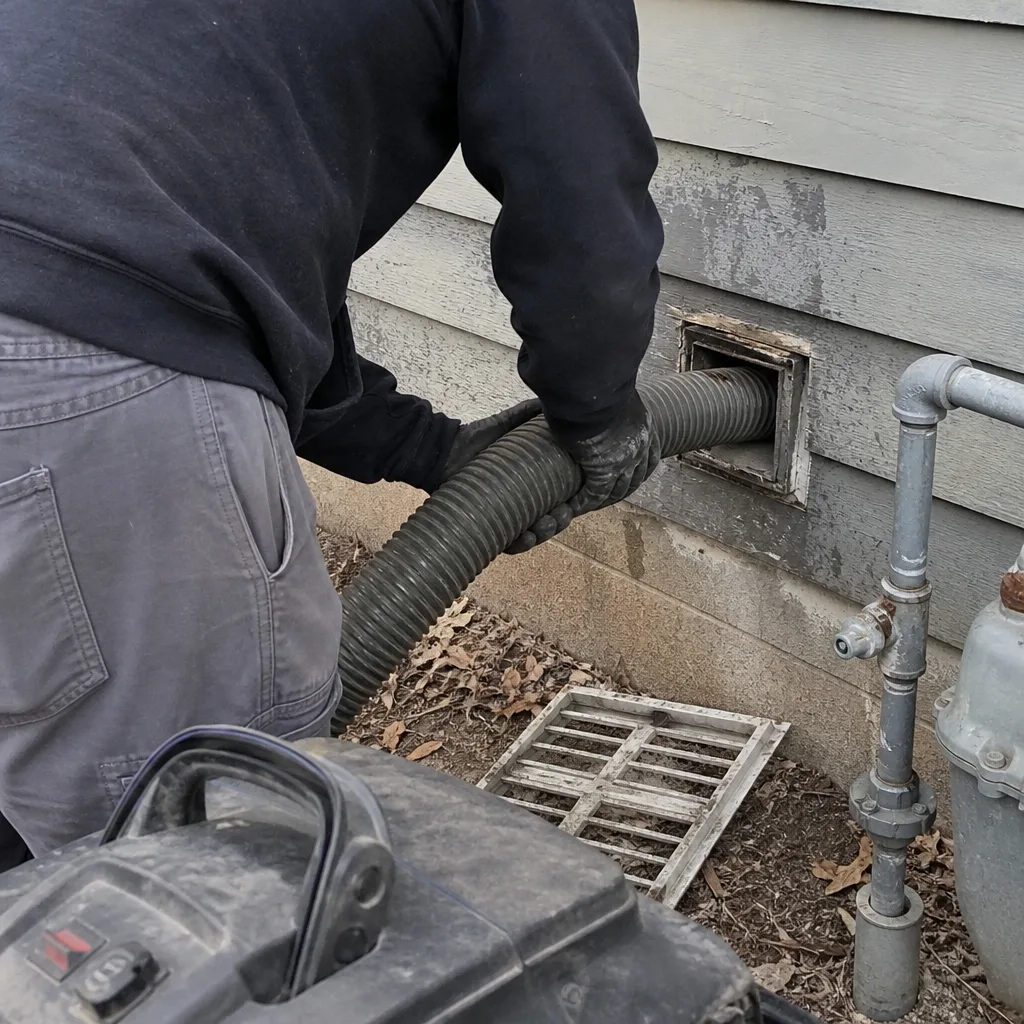 Before
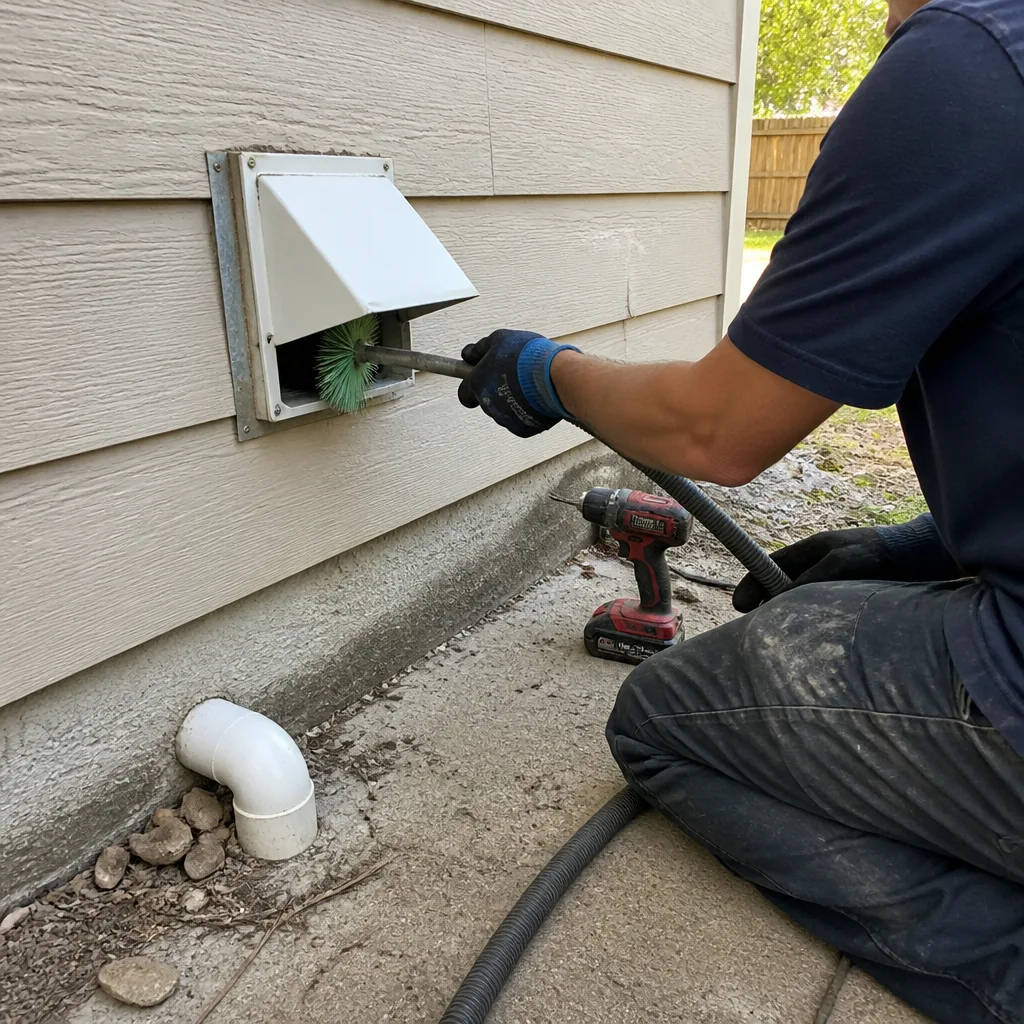 After
After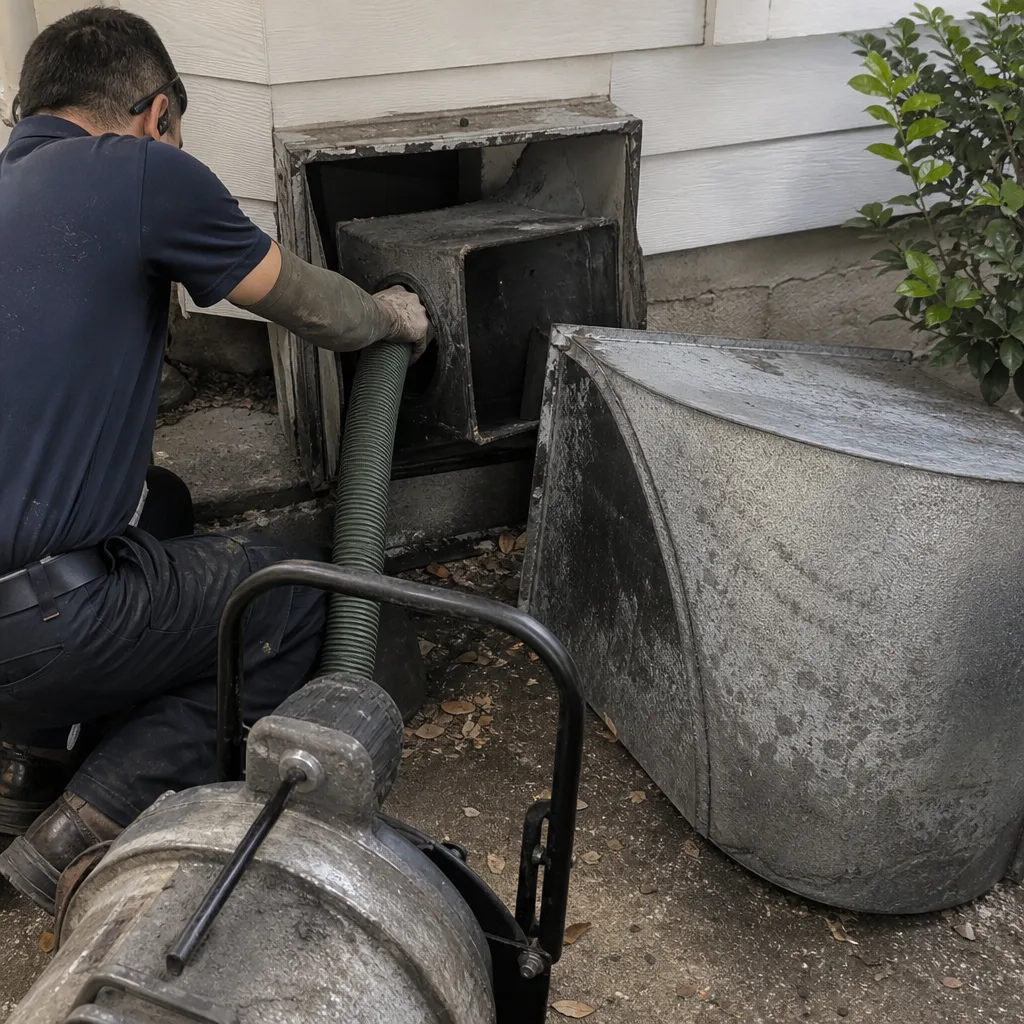 Before
 After
AfterReplacement Cost & What’s Included
For Austin homes, professional Honeywell coil cleaning combined with UV system service typically runs $290 – $490. Here’s what drives that range:
- Coil access. Some Austin homes have the evaporator coil in an easy-access closet or hallway return. Others have it in a tight attic space where we’re working around trusses and insulation. Attic access adds time and care.
- Buildup severity. A light dusting is fast. A coil that’s been neglected for years needs multiple cleaning passes and possibly a coil comb to straighten bent fins.
- UV bulb replacement. If your Honeywell UV system needs a new bulb, that’s a separate part cost. We tell you the exact number before any work starts.
- System size. Larger coils mean more surface area, more chemistry, and more time. The range I quoted covers most residential systems from 2 to 5 tons.
Every coil cleaning we do in Austin includes a written price before work begins, a written guarantee on the work, and before-and-after photos so you can see the coil condition with your own eyes. If the work isn’t right within 365 days, we come back and correct it at no charge. That’s the 365-Day Done Right Promise, and it covers every job we do without exception.
DIY or Call Us?
Let’s be honest about what you can safely do and what you shouldn’t attempt. You can check your air filter and replace it if it’s dirty. You can look at your thermostat behavior and note whether cycles are running longer. You can visually inspect the coil if you have an access panel that opens without tools, but that’s where safe DIY ends for most Austin homeowners.
Coil cleaning involves handling cleaning chemistry that can damage the coil fins if applied incorrectly. Bent fins restrict airflow and make the problem worse. The coil sits above your furnace or air handler, and over-spraying can drip water and chemicals onto electrical components. We use professional-grade cleaning systems and containment to keep everything dry and controlled. For the record, the danger here isn’t just the electrical connections; it’s watching a homeowner try to straighten coil fins with a butter knife. We’ve seen it. It doesn’t end well.
If your Honeywell coil system is showing any of the signs above, call us at (940) 283-6595 for a straight answer and a written estimate. We’ll tell you honestly whether it needs cleaning, what it’ll cost, and when we can have it done.
FAQs
How long does a Honeywell coil cleaning last in Austin? In Austin’s climate, a professional coil cleaning typically lasts 12 – 18 months before efficiency starts dropping again, and we recommend annual cleaning for systems that run nearly year-round. Homes with pets, older ductwork, or high foot traffic may need it more often. Austin’s combination of heat and humidity means coils here get dirtier faster than in drier climates, so an annual cleaning is the realistic standard.
Can a dirty coil be repaired instead of cleaned? Cleaning is the repair. If the coil is physically damaged, bent beyond repair, or leaking refrigerant, replacement becomes the conversation, but most dirty coils in Austin just need a thorough professional cleaning. The real question is whether the buildup has caused secondary damage, like a failed compressor from running hot. Call (940) 283-6595 and we’ll assess it honestly.
How long does a coil cleaning appointment take? For most Austin homes, a full Honeywell coil cleaning takes 2 – 3 hours from arrival to final before-and-after photos. That includes cleaning the coil, checking the condensate drain, replacing the UV bulb if needed, and running the system to verify proper airflow and temperature drop. If we find something that needs more work, we’ll tell you before we do it, with a price attached.
Do you stock Honeywell coil cleaning products and UV bulbs on the truck? Yes, our Austin service vehicles carry Honeywell-compatible coil chemistry, replacement UV bulbs for common Honeywell UV systems, and the cleaning equipment needed for most residential jobs the first time out. If your system needs a bulb size or part we don’t have on hand, we’ll order it and get back out within the week.
Written by Omar Haddad, Owner, Cardinal Air Duct Austin at Cardinal Air Duct Austin, serving Austin and nearby areas.