
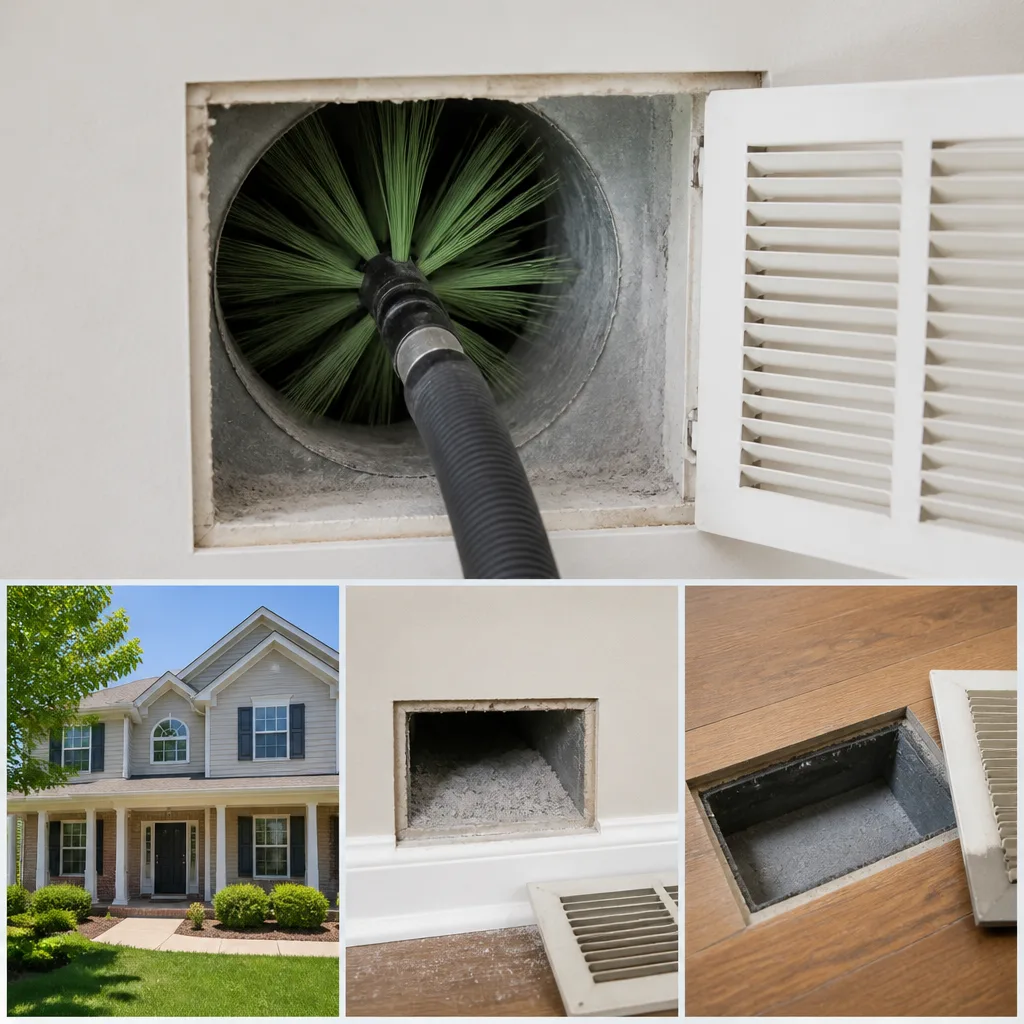
 Whole-home duct cleaning
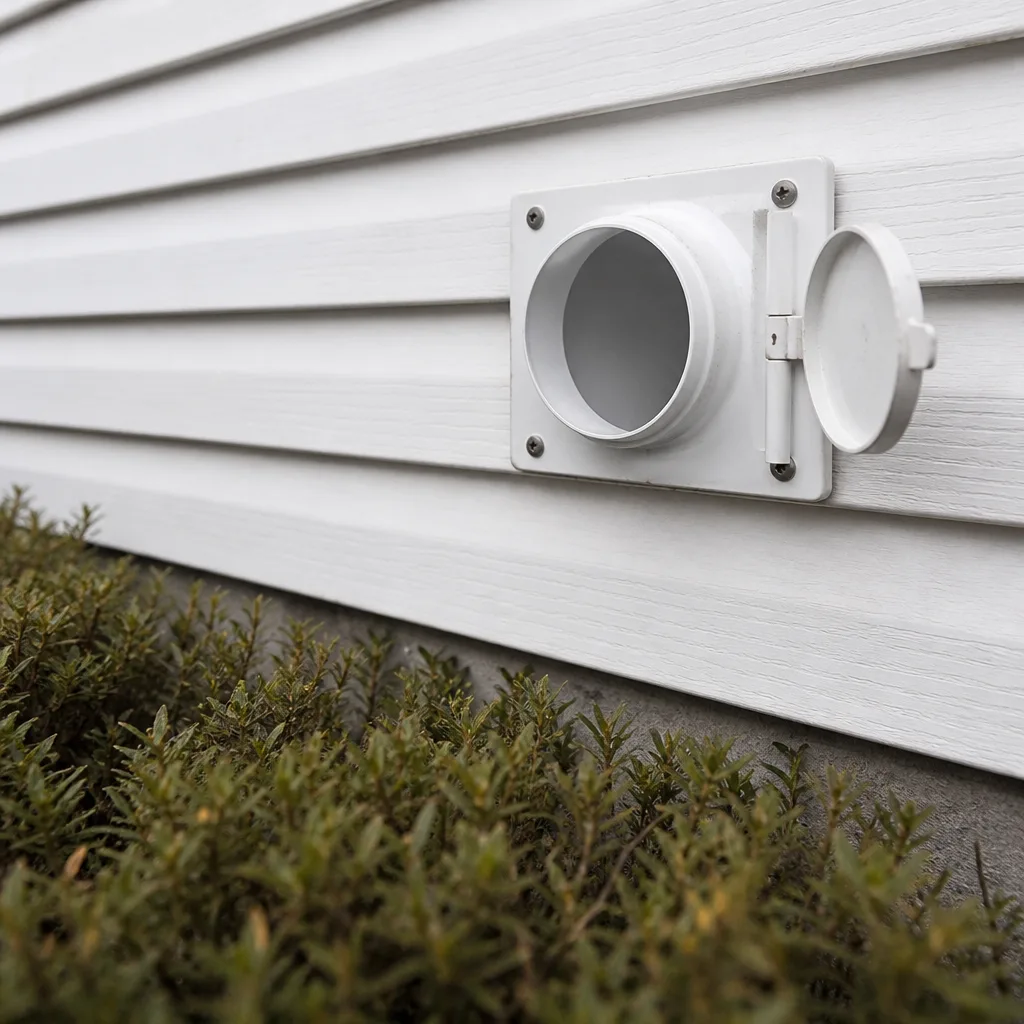 Dryer vent cleaning
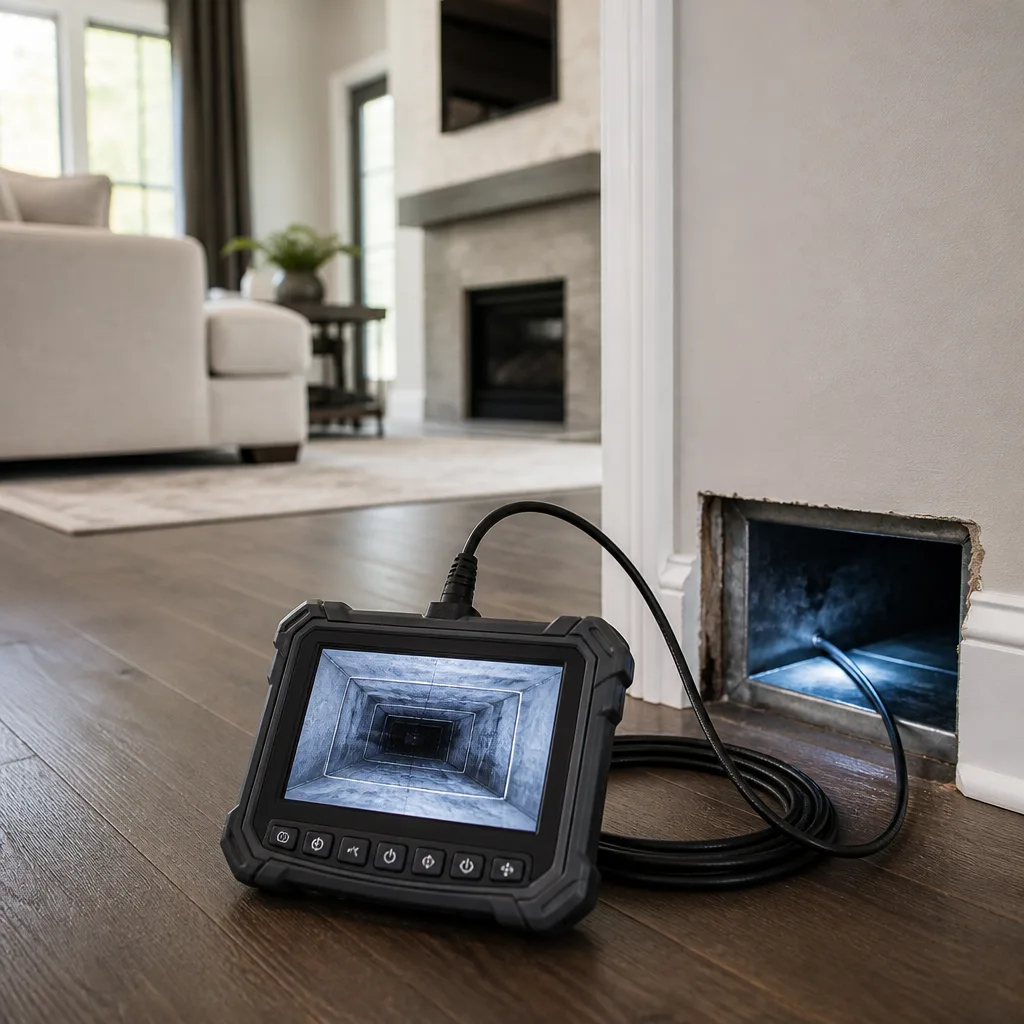 Camera inspection
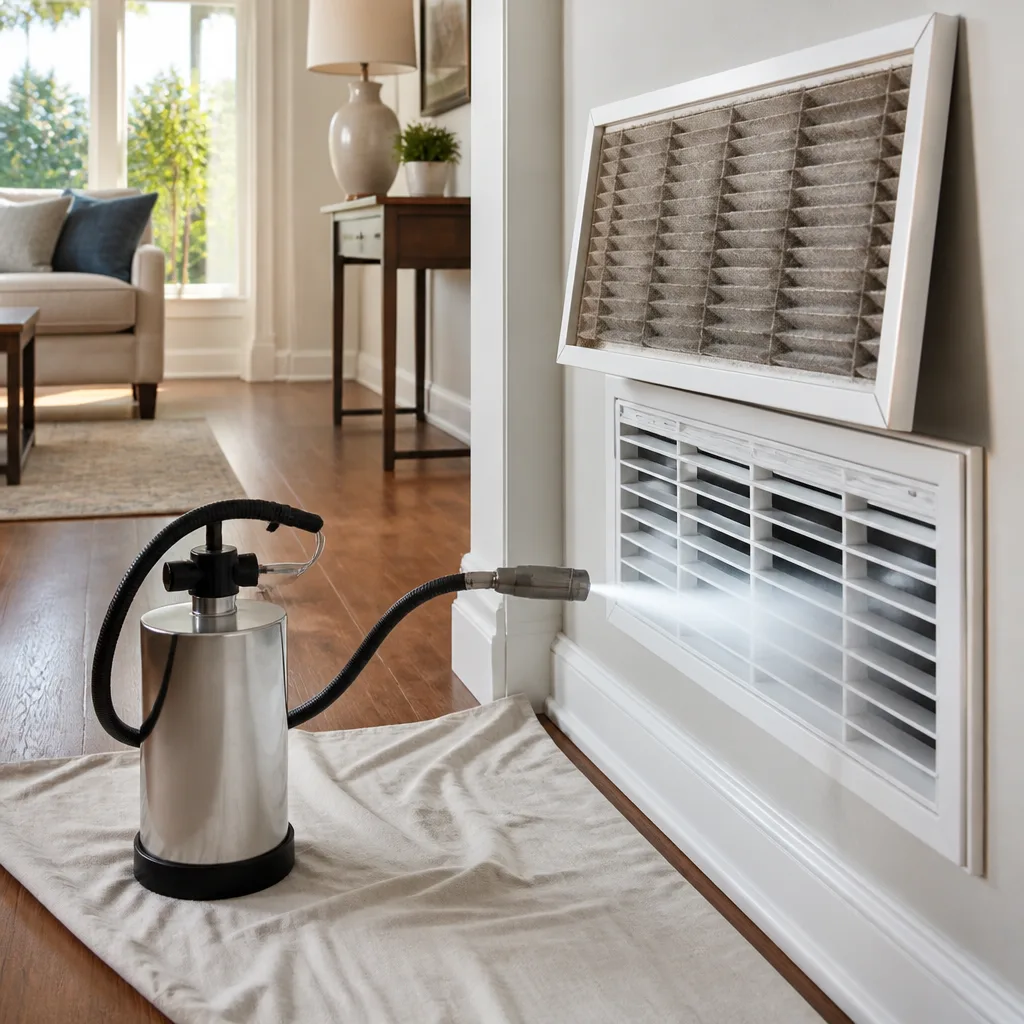 Sanitizing & deodorizing
Whole-system duct and dryer vent check with before-and-after photos - you see exactly what came out of your vents
That "$99 whole-house special" is a bait ad - the real number appears once they are in your hallway, or the "clean" is a shop-vac at the register. We photograph the inside of your ducts before and after instead.
Why Austin Homeowners Choose Carrier Air Duct Cleaning
Carrier air duct cleaning in Austin typically runs $450 – $900 for a full system, depending on home size, duct count, and how much debris has accumulated. We’re an independent Carrier service in Austin, not a factory-authorized dealer, which means we give you honest equipment assessments without pushing manufacturer upsells. Our crews work on Carrier Infinity, Performance, and Comfort series systems across Austin every week, and we know exactly how these units behave when ducts get dirty. Call (940) 283-6595 for a written estimate before any work begins.
Austin’s climate punishes Carrier systems in ways owners don’t see until airflow drops or the dust comes back two weeks after a cleaning. Hot, humid summers keep AC running from May through October, and that constant pull on the return side drags cedar pollen, drywall dust from construction corridors like the Domain and Mueller, and attic particulate straight into your blower and coil. Omar Haddad and our crew have cleaned Carrier systems in everything from 1920s bungalows in Tarrytown to Carrier service in Buda and five-year-old builds near the Domain. The age of the house matters less than whether the ducts were ever protected during construction or renovation. Most weren’t.
Why Trust Cardinal Air Duct Austin for Your Carrier Air Duct Cleaning?
Carrier systems reward technicians who understand how their airflow engineering actually works. A Carrier Infinity air handler with a high-MERV filter creates substantially more static pressure than a builder-grade Comfort series unit. That’s not a design flaw. It’s a design reality. But it changes how you clean the system. If you blast through an Infinity system with a generic rotary brush and portable vacuum, you’ll knock debris loose that ends up packed against the blower wheel and evaporator coil. We run Rotobrush contact-vacuum systems paired with Nikro negative-air extraction units, which means debris goes straight into a sealed HEPA vacuum rather than recirculating through your living room. For Carrier systems specifically, the sequence matters: clean the blower assembly first, then the coil, then the supply and return runs, then seal any gaps you found along the way.
Omar Haddad grew up in Los Angeles and learned HVAC fundamentals at Los Angeles Trade-Technical College before spending almost two decades working system cleaning across the Southwest. He’s been serving Austin homeowners and businesses for years, and he still runs jobs personally. His approach hasn’t changed: diagnose first, show you what we found on video, explain what it means in plain language, then clean with the right equipment. We’re part of the Relay Home Co. family, founded in 2005, and every job carries the Relay Standard: a live trackable arrival window, before-and-after photo documentation, and a digital invoice you can pay from your phone. That’s a written price in your hand before a single register is touched. It does not change at the door.
Styles & brands we work with
Common Carrier Air Duct Cleaning Problems We Fix in Austin
- Carrier Infinity air handlers with high-efficiency filters and dust bypass. The Infinity series can run 4-inch or 5-inch media filters with MERV 11 to 16 ratings. Higher MERV means higher static pressure. When filter frames don’t seal perfectly or the cabinet flexes, dust gets pulled around the filter and into the supply ducts. We find this on Infinity systems in Austin regularly, especially in homes where the filter hasn’t been changed on schedule. The fix is cleaning the supply runs, verifying the filter cabinet seal, and often replacing the gasket that Carrier designed to compress under pressure.
- Performance series blower wheels caked with dust. The Performance series moves serious air, and its blower wheel is a dust magnet. When the wheel gets coated, it goes out of balance and airflow drops even though the motor sounds fine. Homeowners notice weaker airflow from registers and longer run times. We clean the wheel by hand with contact brushing, not just compressed air, because a half-cleaned blower wheel still vibrates.
- Comfort series coils fouling faster than expected. Comfort series units typically run 1-inch filters, and Austin’s humidity plus cedar pollen means that coil gets a gray, sticky film fast. A fouled coil restricts airflow and drives up static pressure, which then pulls more dust into the ducts. It’s a compounding problem. We clean Carrier evaporator coils with professional coil cleaners and rinse thoroughly, because residue left behind becomes a magnet for the next round of dust.
- Carrier heat exchanger corrosion from humid Austin attics. Austin’s attic humidity is brutal. When ducts leak, return air pulls hot, moist attic air across the heat exchanger. On Carrier furnaces, that surface moisture can lead to corrosion film on the exchanger. We don’t claim to reverse corrosion, but we can identify it during a video inspection and point you to the cause: leaking return ducts. Seal the ducts, lower the attic humidity draw, and the corrosion stops progressing.
- Collapsed flex duct at Carrier air handler connections. This is the one we see on newer construction, especially in neighborhoods built in the last 15 years. Contractors run flex ducts with sharp bends or undersized connections at the air handler. That duct collapses or kinks, static pressure climbs, and the Carrier blower works harder. Last week our crew cleaned the ducts on a Carrier Infinity system in a northwest Austin home where the homeowner complained of weak airflow. Video inspection showed a blower wheel caked with dust and a return duct collapsed at a flex connection. After cleaning the wheel, sealing the return with mastic, and treating the evaporator coil, static pressure dropped to spec and airflow was restored.
Carrier Parts & Our Repair-vs-Replace Approach
For Carrier-specific components like replacement access panels, blower housing gaskets, and filter cabinet seals, we recommend genuine Carrier parts. These pieces are engineered to fit exact tolerances and maintain airflow specifications. A slightly-off aftermarket access panel can create a gap that pulls unfiltered attic air into your system, undoing the work we just did. For generic materials like mastic, flex duct replacement, insulation, or coil cleaner, we use commercial-grade aftermarket products that meet or exceed SMACNA standards. There’s no advantage to paying a Carrier markup on mastic.
Our repair-vs-replace decision is straightforward. If a component is degraded to the point where cleaning won’t restore function and the repair cost pushes past 40% of replacement value, we tell you to replace. If the component can be cleaned, sealed, or re-gasketed for a fraction of replacement cost, we recommend that. Every repair carries a written guarantee, and if the repair fails within the first year, we return and fix it at no charge. That’s the 365-Day Done Right Promise, and it applies to every Carrier job we do in Austin, no exceptions. For an exact diagnosis and written estimate, call (940) 283-6595.
Our Carrier Service Process – Step by Step
- 1
Diagnosis. We run a video inspection through your Carrier supply and return ducts, then check static pressure at the air handler. For Infinity systems, we also check the filter cabinet seal and blower wheel condition because those two points explain most Carrier airflow complaints in Austin. You see everything on camera before we touch a register.
- 2
Cleaning & repair. We clean the blower assembly first on Carrier systems, then the evaporator coil, then the duct runs. We use Rotobrush rotary brush systems with Nikro negative-air extraction so loosened debris goes into the vacuum, not back into your rooms. If we find leaks, collapsed flex, or a failed filter gasket, we seal or replace it with the right materials before moving on.
- 3
Camera verification. After cleaning, we run the camera again. You see the before and after. If something wasn’t fully cleaned, we catch it right then, before we leave.
- 4
Warranty & follow-up. Every job comes with the 365-Day Done Right Promise. If the work isn’t right within 365 days, we return and correct it at no charge. Every repair gets a written guarantee. You’ll have a digital invoice and photo documentation from the same day.
See the difference
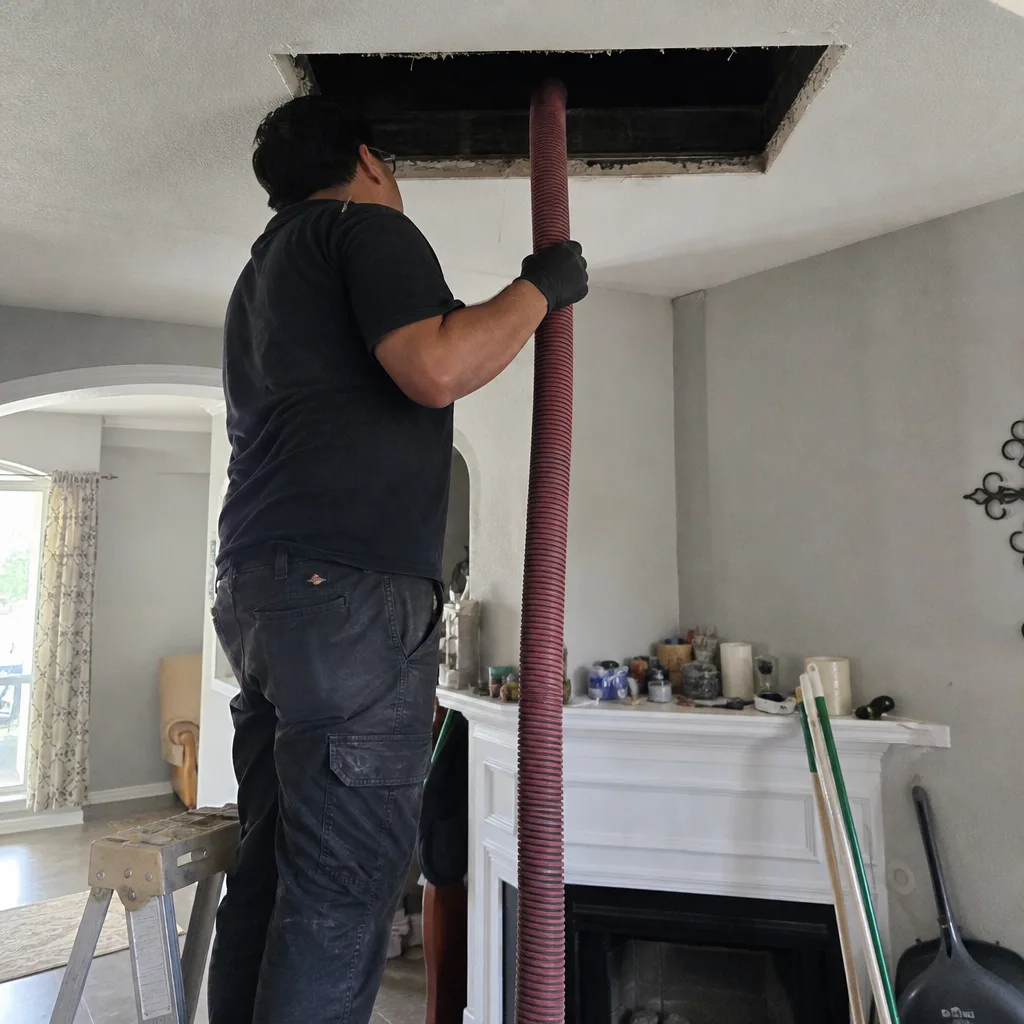 Before
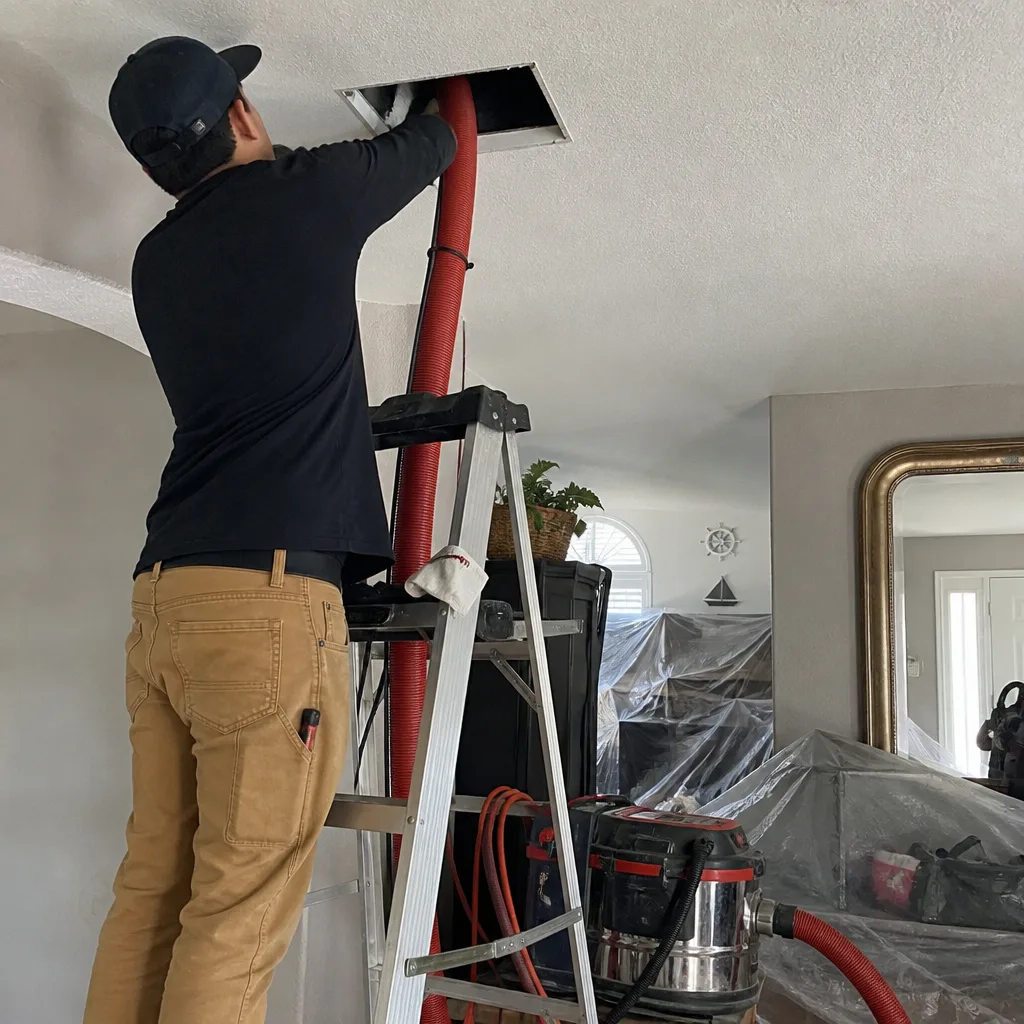 After
After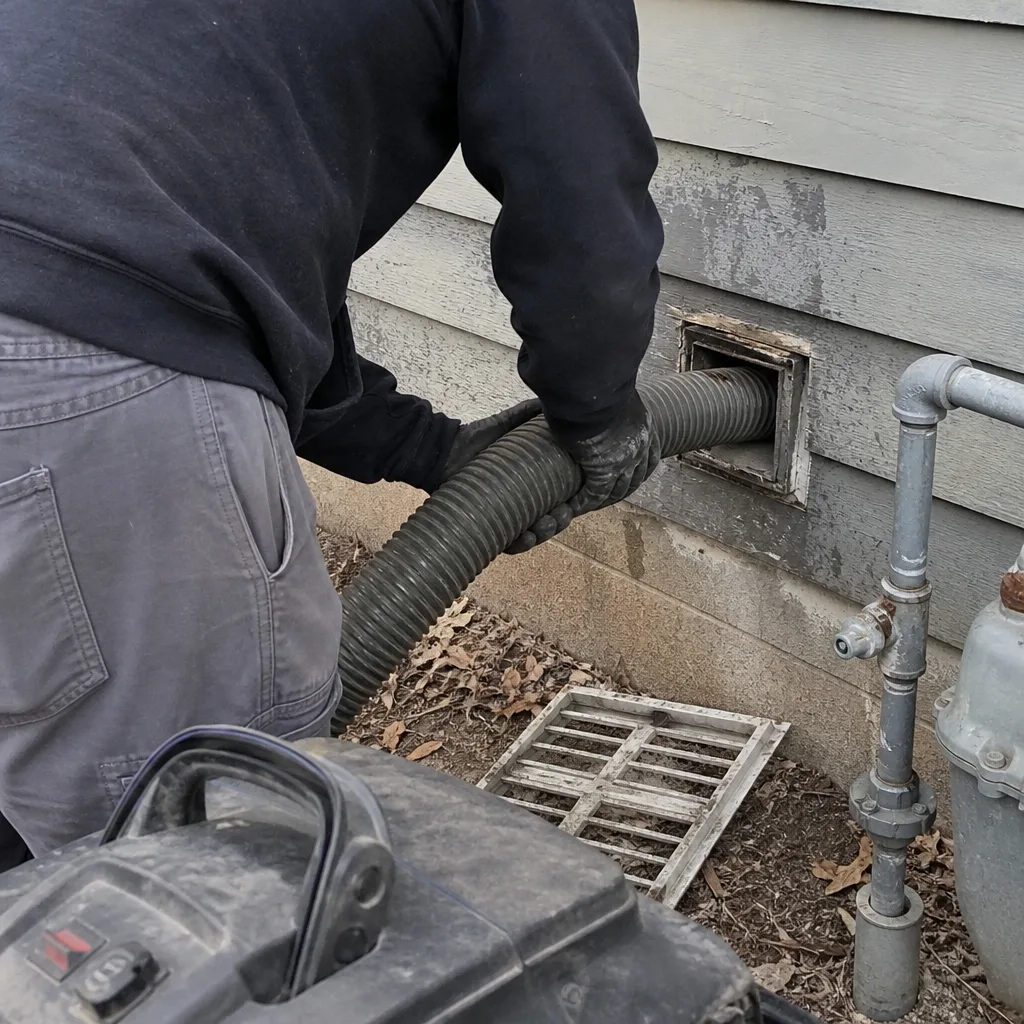 Before
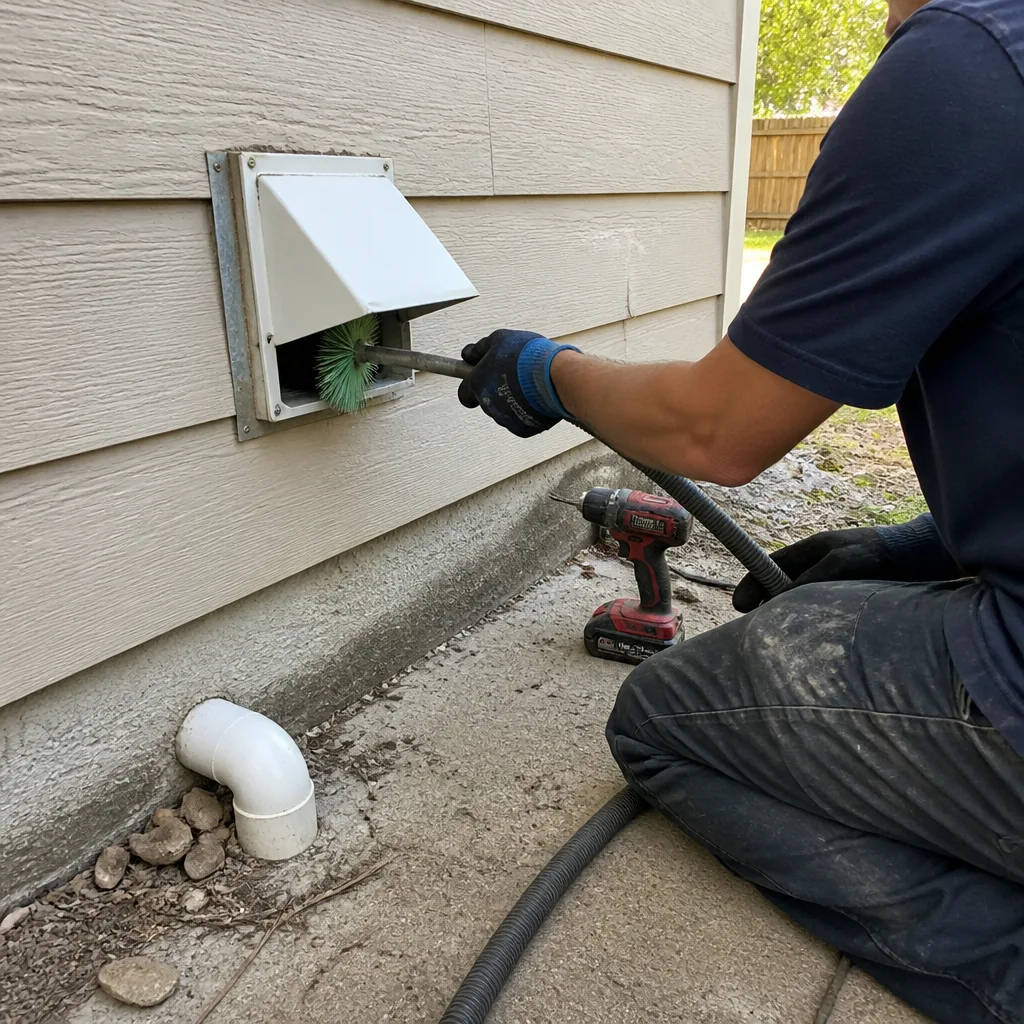 After
After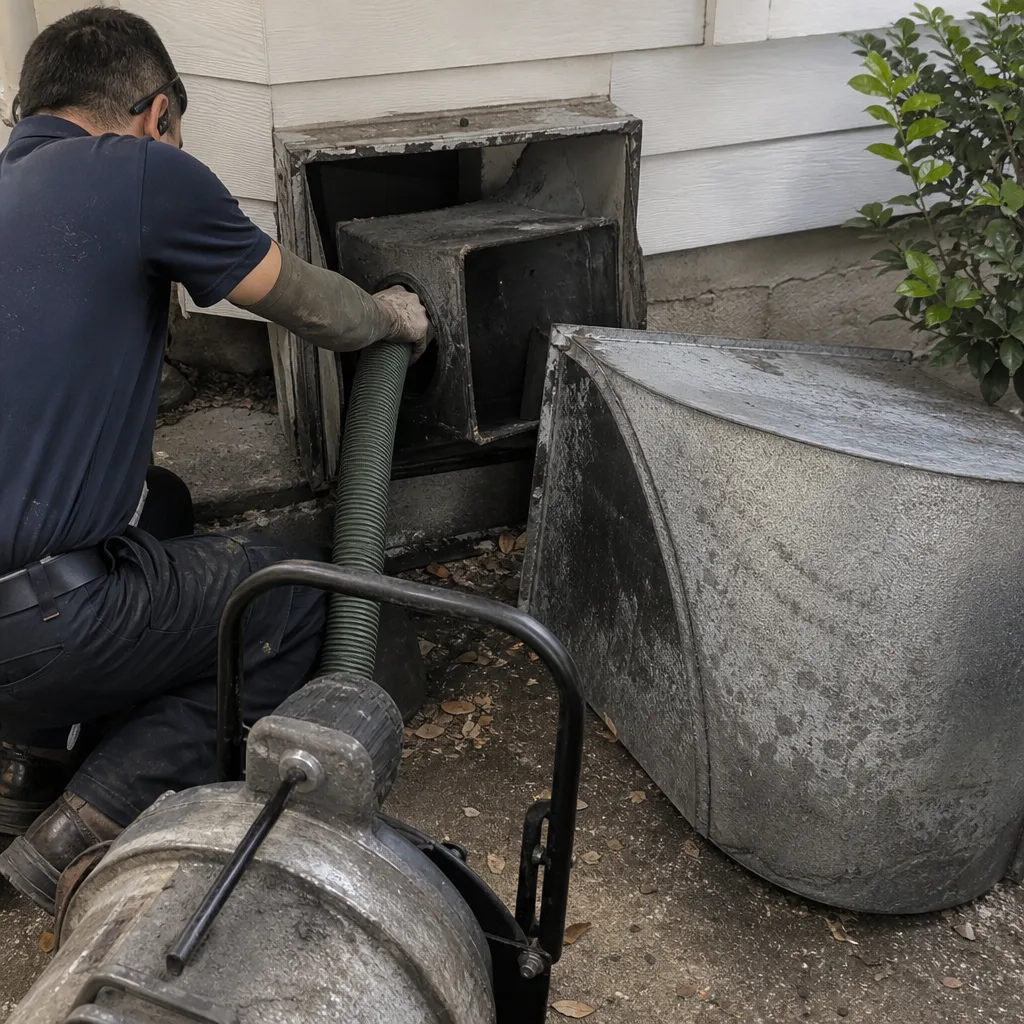 Before
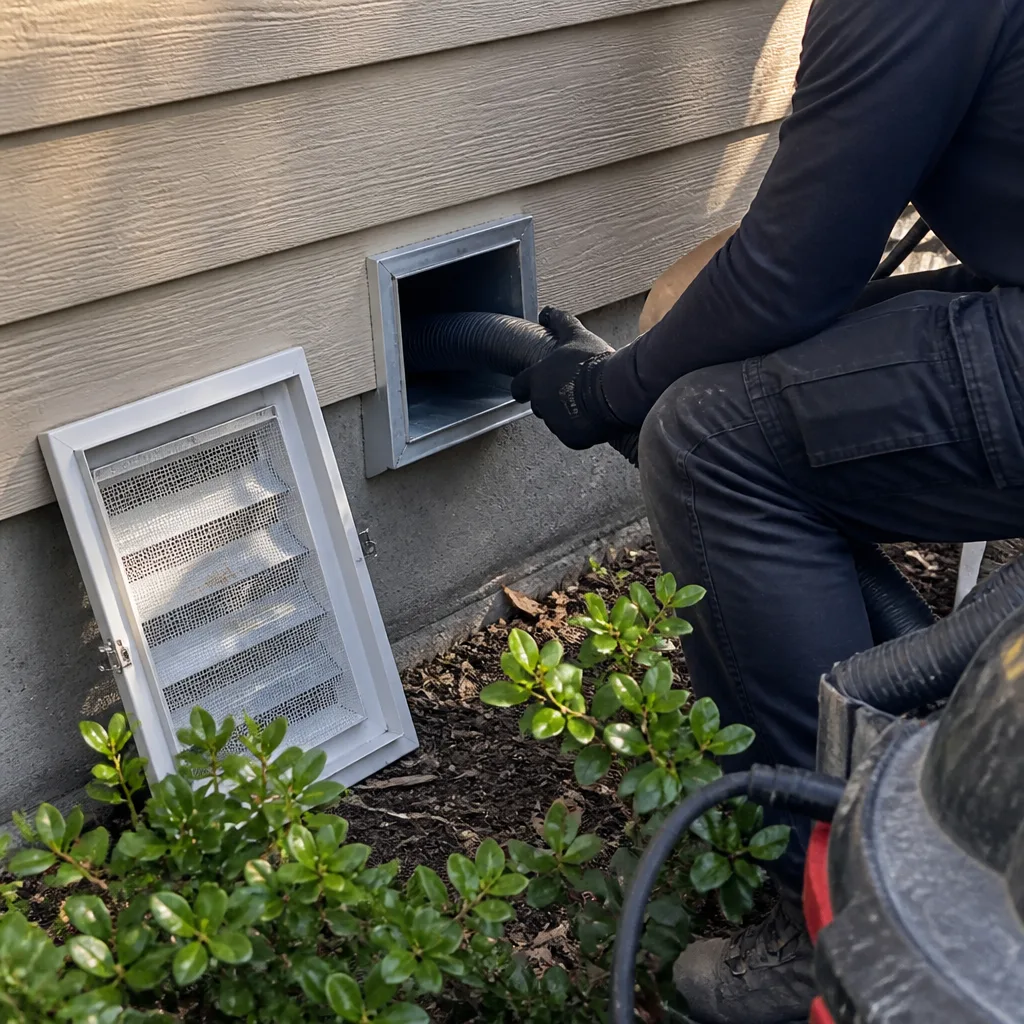 After
AfterCarrier Products We Service & Install in Austin
We service the full Carrier residential line in Austin, including the Infinity series, Performance series, and Comfort series air handlers, plus Carrier service in Cedar Park and surrounding areas. We also work on Carrier evaporator coils, blower assemblies, filter cabinets, and zone dampers that connect directly to ductwork. We stock common Carrier-compatible filter cabinet gaskets, blower wheel cleaning supplies, and sealing materials locally for fast turnaround. We don’t sell Carrier equipment, but we do install and maintain the ductwork, filtration, and cleaning components that keep your Carrier system breathing. As an independent Carrier service provider, we’re not authorized by the manufacturer, which means our recommendations are based on what your system actually needs, not what a factory program dictates.
We Also Service These Brands
Carrier is a big part of our Austin work, but we’re not a single-brand shop. We service Lennox and Trane systems with the same depth of hands-on familiarity, and we’ll give you the same straight answer on any of them. If you have a Trane in the attic and a Carrier in the addition, one call covers both. Our job is to make the system you already own work right, not to sell you a brand.
FAQs – Carrier Air Duct Cleaning Service in Austin
No. We’re an independent Carrier service provider in Austin, not a factory-authorized dealer. That independence matters because our recommendations aren’t tied to manufacturer quotas or parts-pushing programs. We work on Carrier systems daily and know them deeply, but the manufacturer has no say in how we diagnose or price your job.
Yes, for Carrier-specific components like access panels, blower housing gaskets, and filter cabinet seals, we recommend genuine Carrier parts to preserve fit and airflow. For generic materials like mastic, flex duct, and insulation, we use commercial-grade aftermarket products that meet or exceed SMACNA standards. You’ll see exactly what we’re using and why before we install anything.
Yes. Carrier Infinity air handlers run higher static pressure than standard units, especially with high-MERV filters installed. That means the cleaning sequence and the negative-air setup matter. We clean the blower assembly first, then the coil, then the duct runs, and we verify the filter cabinet seal before we finish. Using a generic blast-and-go approach on an Infinity system pushes debris into the wrong places and often makes airflow worse, not better. Call (940) 283-6595 and we’ll explain what your specific Infinity setup requires.
The Performance series blower moves more air than standard blowers, and that increased airflow pulls more airborne particulate across the wheel, especially if your return ducts have even small leaks pulling in attic or crawlspace air. In Austin, construction dust and cedar pollen make this worse. Dryer Vent Cleaning and sealing return ducts, plus confirming the filter cabinet seals, can slow the buildup. We’ll show you on camera what’s entering the system and where from.
Indirectly, yes. Dirty ducts alone don’t damage a heat exchanger, but leaking ducts do. If your return side leaks in a humid Austin attic, the system pulls moist attic air across the heat exchanger. That moisture promotes surface corrosion, and corrosion is what shortens heat exchanger life. Dirty ducts also force the blower to run harder to maintain airflow, which increases overall system wear. We check both problems during a single service call.
That’s a half-truth. Infinity systems with high-efficiency filters do capture more particulate before it enters the supply side, which helps. But the return side still pulls unfiltered air from your home, and in Austin that air is carrying cedar pollen, dust, and construction debris. We also see dust bypass around filter frames when the gasket doesn’t seat right. An Infinity system may need cleaning less often than a Comfort series with a 1-inch filter, but it still needs periodic service. The idea that any system never needs cleaning is wishful thinking.
Do you need to clean my Carrier evaporator coil before or after duct cleaning?
Before. The coil sits upstream of your supply ducts but downstream of your return side. If you clean the ducts first and leave a fouled coil in place, that coil keeps shedding particles into the freshly cleaned supply runs and the dust returns quickly. We clean the coil first, then the supply and return ducts, so you’re not paying to clean the same air path twice. This sequence is standard on every Carrier job we do in Austin.
How much does Carrier air duct cleaning cost in Austin?
Most Carrier air duct cleaning jobs in Austin run $450 – $900 for a full system. A single system in a 1,500-square-foot home on Comfort series equipment usually lands on the lower end. A larger home with an Infinity air handler, multiple zones, and a fouled blower and coil lands on the higher end. We give you a written price before any work starts, and that number doesn’t change at the door. Call (940) 283-6595 for an exact quote based on your system and home size. Estimates are free.
Book Your Carrier Service in Austin, TX
We answer the phone. A live person, 24/7, no voicemail loops. Tell us what your Carrier system is doing, or not doing, and we’ll set a window that works for you with The Relay Standard booking experience: a live trackable arrival time, before-and-after photos, and a written price before any work begins. Call (940) 283-6595 and get it handled.
Written by Omar Haddad, Owner at Cardinal Air Duct Austin, serving Austin since 2005.